How to Open a Medical Spa: A Step-by-Step Startup Guide
Table of Contents
Opening a medical spa requires a clinical licensing layer that most startup guides skip entirely. This guide covers every major step, from choosing your ownership structure to placing your medical director, so you know exactly what’s required before you spend a dollar on build-out. There are six steps between your decision and your opening day, and the one most first-time owners miss is Step 3.
Key Takeaways
A medical spa requires both a business license and a clinical licensing layer. They’re not the same thing, and one doesn’t substitute for the other. Jump to Section: State Licensing & Compliance Requirements
Your state’s Corporate Practice of Medicine (CPOM) laws determine your ownership structure before you form your business entity. Jump to Section: Choosing a Business Structure
A qualified medical director must be in place before you open, and can be placed in 24 hours through Medical Director Co. Jump to Section: Finding & Hiring a Medical Director
What Qualifies as a Medical Spa
A medical spa is not a day spa with upgraded equipment. It’s a facility that delivers medical-grade aesthetic treatments, such as injectables, laser therapy, chemical peels, and body contouring under physician oversight. That difference changes everything about how you structure, license, and run the business.
Because these treatments are classified as medical procedures, your facility falls under healthcare regulation, not just standard commercial licensing. Your state’s medical board has jurisdiction over what you can offer, who can deliver each treatment, and who carries legal responsibility when something goes wrong. A standard day spa license covers none of this.
Step 1: Research Your State’s Licensing and Compliance Requirements
Before you name your business or sign a lease, you need to know what your state requires. Med spa regulation varies significantly by state, and the gap between a compliant operation and a non-compliant one can mean forced closure, fines, or personal liability.
Every medical spa needs three distinct licensing layers:
Business license: A standard operating license from your city or county is required before you can operate, but it doesn’t cover the clinical side of your business.
Clinical licensing: Your state medical board governs which treatments require physician oversight and which can be delegated to nurse practitioners or RNs, so check your state’s Board of Healing Arts for scope-of-practice rules before you build your service menu.
Facility permits: Your physical location may need to register as a healthcare facility or obtain a health department permit that’s separate from your business license, depending on your state.
Step 2: Choose Your Business Structure and Ownership Model
In many states, your ownership structure determines whether you can legally own and operate a medical spa at all. Several states follow the Corporate Practice of Medicine (CPOM) doctrine. Under CPOM, non-physicians can’t directly own a medical practice.
Because med spas deliver medical treatments, they fall within that definition in CPOM states. If you’re a non-physician entrepreneur in one of these states, a standard LLC won’t work as your primary ownership vehicle. The structure most non-physician owners use is the MSO-PC model:
Professional Corporation (PC): A physician-owned entity that holds the clinical side of the business, including the medical director agreement, treatment protocols, and all clinical oversight responsibilities.
Management Services Organization (MSO): A separate entity that you, as a non-physician, can own to handle the business operations side: staffing, marketing, billing, and facility management.
The MSO contracts with the PC to provide management services. This structure lets a non-physician run the business without illegally controlling the clinical practice. If your state doesn’t follow CPOM doctrine, a standard LLC or PC may be sufficient. Confirm your state’s position before you file anything.
Step 3: Find and Hire a Medical Director
This is the step that stops most med spa startups cold. You can’t see patients, administer treatments, or legally open your doors without a licensed medical director in place first.
Your medical director must hold an active MD or DO license in the state where your facility operates. Their role isn’t ceremonial. They’re legally responsible for establishing and signing off on clinical protocols, overseeing the scope of treatments you offer, supervising and delegating to non-physician practitioners such as NPs, PAs, and RNs, and ensuring your facility meets the clinical safety standards required by state law.
The agreement between your facility and your medical director is called a delegation agreement or collaborative practice agreement. It defines exactly which treatments are covered, what supervision looks like in practice, and the terms of the working relationship. This document needs to be reviewed by a healthcare attorney before you open.
Finding a qualified medical director independently takes time, which most first-time owners don’t have. Medical Director Co. places licensed, vetted physicians into med spa medical director roles within 24 hours. Submit your placement request here.
Step 4: Set Up Your Facility and Build Your Team
Once your structure and medical director are in place, your physical space needs to meet specific clinical standards before your first patient arrives. Most first-time owners get this wrong because they treat it as a standard commercial build-out, but it’s not. Your state health department, medical board, and OSHA all have a say in how your space is set up and who can work inside it.
Facility requirements to address:
Exam rooms: Your state sets minimum standards for dimensions, hand-washing station placement, and privacy configurations, so confirm the specifics with your state health department before finalizing your build-out.
Signage: Your medical director’s name and license number must be posted visibly in most states, so check your state’s exact signage requirements before you open.
Equipment clearance: Every laser and energy-based device requires FDA clearance, so verify the clearance status of any device before you purchase or lease it.
HIPAA compliance: A compliant intake and charting system must be operational before you collect any patient information.
OSHA protocols: Bloodborne pathogen protocols must be documented, and all staff must be trained before anyone treats a patient.
Staffing requirements to confirm:
Clinical licenses: All clinical staff, including NPs, PAs, RNs, and estheticians, must hold active, valid licenses in your state before they see a single patient.
Scope of practice: Each staff member must work within their licensed scope, with your medical director defining the delegation structure and state law setting the limits.
Esthetician limits: Estheticians can perform non-medical services like facials and lower-level peels, but they can’t administer injectables or operate medical-grade laser devices in most states.
Build your team around your service menu. If you’re opening with injectables and laser treatments, you need at least one licensed RN or NP and a signed delegation agreement before day one.
Step 5: Plan Your Service Menu and Equipment
Your service menu drives your equipment list, your staffing requirements, and a large portion of your startup costs. Start with a focused set of high-demand services rather than building out every treatment category at once.
Most med spas launch with some combination of these:
Neurotoxins (Botox, Dysport) and dermal fillers
Laser hair removal
Skin resurfacing and photorejuvenation
Chemical peels and medical-grade facials
Body contouring
Each service category requires specific equipment, specific staff credentials, and specific protocols signed off by your medical director before you offer them to patients. Map your menu before you purchase a single device.
On equipment: laser and aesthetic devices are the largest capital cost in most med spa buildouts. Leasing is a common entry point for first-time owners. Many operators open with injectables and one laser service, then expand as revenue grows and cash flow stabilizes.
Step 6: Budget for Startup Costs and Set Your Timeline
Med spa startup costs vary based on your location, service mix, and whether you’re building out a new space or taking over an existing clinic. The ranges below reflect typical new-build scenarios.
Cost Category
Estimated Range
Business formation and legal fees
$2,000 – $8,000
State licensing and permits
$1,000 – $5,000
Medical director fees (first year)
$12,000 – $36,000
Facility build-out
$50,000 – $200,000+
Equipment (lease or purchase)
$30,000 – $300,000+
EMR and practice management software
$3,000 – $10,000/year
Insurance (liability + malpractice)
$5,000 – $15,000/year
Initial inventory and supplies
$5,000 – $20,000
Marketing and website
$5,000 – $25,000
Timeline: Plan for 6 to 12 months from decision to opening day for a new build-out. Taking over a licensed facility with existing infrastructure can compress that to 3 to 6 months.
Your Medical Director. Placed in 24 Hours.
Skip the search. We connect you with a licensed, vetted physician ready to sign your delegation agreement fast.
Total startup costs typically run between $100,000 and $500,000 or more, depending on your state, facility size, service menu, and equipment choices. Legal fees, licensing, medical director costs, build-out, and equipment are the five largest line items. First-time owners consistently underestimate legal and compliance costs on the first pass, so budget conservatively.
What licenses do I need to open a medical spa?
You need a business license, clinical licensing appropriate to your state (governed by the state medical board), and any facility-specific permits your state requires. You also need a signed medical director agreement before you treat your first patient.
Do I need a doctor to open a medical spa?
You need a licensed physician (MD or DO) as your medical director, regardless of whether you’re a physician yourself. In CPOM states, physician involvement in the ownership structure is also required. A non-physician can own and operate the business side through an MSO-PC structure.
How long does it take to open a medical spa?
Plan for 6 to 12 months from decision to opening day for a new build-out. Existing facilities with active licenses can move faster. State licensing timelines are the most unpredictable variable in the process.
Can a non-physician own a medical spa?
In non-CPOM states, a non-physician can own a medical spa directly. In CPOM states, a non-physician uses an MSO-PC structure to own the management company while a physician owns the professional corporation. The physician isn’t running your day-to-day operations; the MSO handles that.
The Six Steps That Get You to Opening Day
Opening a medical spa comes down to six decisions made in the right order: confirm your state’s licensing requirements, choose the right ownership structure, secure a qualified medical director, build a compliant facility, define your service menu, and plan your budget with accurate cost ranges. Most startups that stall do so because they skipped Step 1 or waited too long on Step 3. Your medical director can be in place in 24 hours. Start there.
Your Medical Director Is One Step Away.
Licensed, vetted physicians placed in 24 hours. No search, no delays, no guesswork.
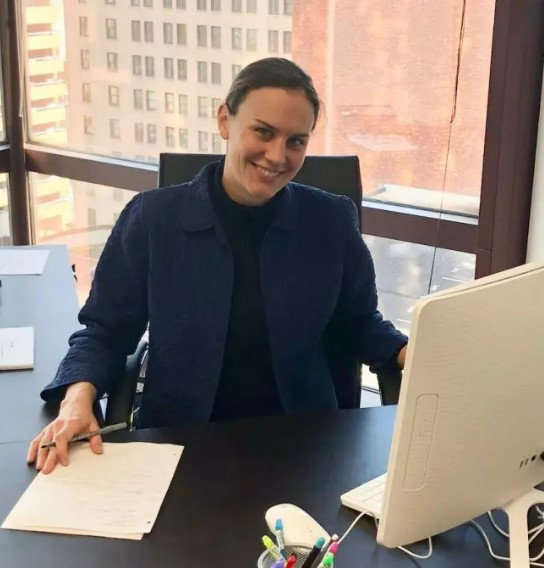
Bolton M. Harris, J.D., is a seasoned attorney with a formidable background in criminal law and a focus on healthcare law and compliance. As the in-house legal counsel at Medical Director Co., Harris brings a unique blend of prosecutorial experience and regulatory expertise to support healthcare professionals across Texas. Her career spans roles as a prosecutor in multiple counties and now as a trusted advisor on the legal intricacies of medical practice operations.
Education & Early Career
Bolton Harris completed her undergraduate studies at Southern Methodist University (SMU) in 2013. During her time at SMU, she was not only a dedicated student but also a competitive athlete on the university’s women’s swimming team. She went on to earn her Juris Doctor from Texas A&M University School of Law in 2016 and became a member of the Texas Bar that same year. Armed with a strong academic foundation and discipline honed as a student-athlete, Harris embarked on a career in criminal law immediately after law school.
Prosecutorial Experience in Texas
Bolton Harris began her legal career in public service as a criminal prosecutor. She served as an Assistant District Attorney in multiple jurisdictions, where she quickly rose through the ranks and handled a broad spectrum of cases. Some highlights of her prosecutorial career include:
Assistant District Attorney, Dallas County, Texas: Prosecuted a high volume of criminal cases in one of the state’s busiest DA offices, gaining extensive trial experience in both misdemeanor and felony courts.
Assistant District Attorney, Ellis County, Texas: Continued to hone her courtroom advocacy skills, known for meticulous case preparation and a tenacious pursuit of justice on behalf of the community.
Assistant District Attorney, Navarro County, Texas: Broadened her legal expertise by handling diverse criminal matters in a smaller county, working closely with law enforcement and community leaders to uphold the law.
Through these roles, Harris built a reputation for being a tough but fair advocate. She brought numerous cases to trial and developed an in-depth understanding of the criminal justice system. This distinguished prosecutorial background laid a strong foundation for the next phase of her career in the private sector.
Healthcare Law & Compliance at Medical Director Co.
After her tenure as a prosecutor, Harris shifted her focus to healthcare law, applying her legal acumen to the medical field. She recognized that the same attention to detail and tenacity that served her in criminal law could benefit healthcare providers navigating complex regulations. Embracing this new direction, Harris became well-versed in the intricate laws governing medical practices – from licensing requirements to patient safety and privacy standards – and is passionate about helping practitioners stay compliant.
In her current role as the in-house attorney for Medical Director Co., Bolton Harris oversees all legal and compliance matters for the organization and its clients. Medical Director Co. is a nurse-owned firm that connects nurse practitioners (NPs), physician assistants (PAs), and registered nurses with qualified medical directors and collaborating physicians, offering fast placements and comprehensive compliance support for healthcare practices. Harris ensures that each of these partnerships and clinical ventures adheres to all applicable state and federal laws. She is responsible for drafting and reviewing collaborative practice agreements, advising on regulatory requirements, and providing ongoing legal counsel as clients establish and grow their clinics. Drawing on her prosecutorial eye for risk management, Harris proactively identifies potential legal issues and addresses them before they escalate, giving healthcare professionals peace of mind.
Bolton M. Harris’s multifaceted expertise – spanning high-stakes courtroom litigation to detailed healthcare compliance – makes her a formidable legal ally. Whether advocating in front of a jury or guiding a medical practice through regulatory hurdles, she remains committed to the highest standards of the legal profession. Her blend of courtroom-tested skill and healthcare law knowledge ensures that clients of Medical Director Co. receive elite-level counsel and steadfast protection in an ever-evolving legal landscape.
Bolton M. Harris, J.D.
is a seasoned attorney with a formidable background in criminal law and a focus on healthcare law and compliance. As the in-house legal counsel at Medical Director Co., Harris brings a unique blend of prosecutorial experience and regulatory expertise to support healthcare professionals across Texas. Her career spans roles as a prosecutor in multiple counties and now as a trusted advisor on the legal intricacies of medical practice operations.