Medical Spa Licensing Requirements: What Licenses Do You Need?
Table of Contents
Medical spa licensing often involves multiple licenses, permits, and compliance requirements rather than a single approval. Many new owners obtain a business license and assume they can start offering med spa treatments, only to learn that medical services are regulated separately. Understanding the licenses and oversight requirements that apply to your med spa can help you avoid delays, fines, and compliance issues before opening. Requirements can also vary by state, including in places such as California, where physician oversight and additional regulations may apply.
Key Takeaways
A business license and a medical license serve different purposes, and most med spas need both
Medical spa requirements vary by state and often involve medical board oversight
Physician delegation agreements help determine which treatments non-physician staff can perform
Some states require an MSO-PC structure to comply with corporate practice of medicine laws.
Ongoing compliance includes license renewals, credential verification, and medical director oversight.
Business License vs. Medical License
One of the most common medical spa licensing mistakes is assuming that a business license gives you permission to perform medical treatments.
A business license allows you to legally operate a company within a city, county, or state. It addresses issues such as taxation, business registration, and local zoning requirements.
While a medical license serves a completely different purpose. It authorizes licensed healthcare professionals to provide medical services and is regulated by state licensing boards.
License Type
Purpose
Typical Issuing Authority
Business License
Registers the business and allows legal operation
City, county, or state government
Medical License
Authorizes the practice of medicine
State medical board
Nursing License
Authorizes nursing services
State nursing board
DEA Registration
Allows prescribing or handling controlled substances when required
DEA
Facility Permit
Required in certain states for specific procedures
State agency or health department
Approval of one license does not replace another. A physician may hold an active medical license, but the business itself may still need local permits. Likewise, a valid business license does not authorize staff to perform medical procedures.
If you are still evaluating broader medical spa requirements, our comprehensive guide to medical spa requirements can help you understand the full regulatory picture.
State Medical Board Requirements
Most states do not issue a standalone medical spa license. Instead, state medical boards regulate the medical services provided within the practice.
This difference creates confusion because many owners search for a single license when they actually need to satisfy multiple requirements.
How Medical Boards Regulate Med Spas
Many med spa owners focus on licenses and permits but underestimate the influence state medical boards have on daily operations. Medical boards regulate how providers deliver medical services, who can perform specific procedures, and how physicians oversee patient care. Their requirements often shape staffing decisions, treatment offerings, documentation practices, and ownership structures.
Depending on the state, medical boards may regulate:
Physician supervision requirements: Define when physicians must supervise treatments and the level of oversight they must provide.
Delegation of procedures: Specify which medical procedures physicians can delegate to qualified healthcare professionals and under what conditions.
Scope-of-practice rules: Determine which services each licensed provider can legally perform.
Medical record requirements: Establish standards for patient documentation, informed consent, and record retention.
Ownership restrictions: Limit how non-physicians can own, control, or participate in medical practices.
Medical director responsibilities: Define the clinical oversight and compliance duties medical directors must fulfill.
Other agencies regulate different aspects of med spa operations. For example, health departments may oversee facility permits, while federal agencies regulate controlled substances.
Because requirements vary significantly by state, owners should review guidance from their state medical board before launching services or expanding treatment offerings.
What Triggers a Medical Board Complaint
Medical boards do not simply establish rules for med spas. They also investigate complaints and take enforcement action when providers fail to meet regulatory requirements. Many investigations stem from compliance issues that owners could have identified and corrected before they attracted regulatory attention.
Common triggers include:
Unlicensed individuals performing medical procedures: Allowing unqualified personnel to provide treatments can result in serious regulatory penalties and patient safety concerns.
Staff working outside their legal scope of practice: Performing procedures beyond a provider’s authorized role may violate state licensing laws.
Lack of physician supervision when required: Failing to provide the level of oversight required by state regulations can create significant compliance risks.
An absentee medical director: Medical directors who do not actively supervise clinical operations may expose the practice to enforcement actions.
Poor documentation and patient records: Incomplete treatment records, missing consent forms, and inadequate documentation often raise compliance concerns during audits or investigations.
Patient injuries resulting from improper delegation: Complications linked to unauthorized or improperly supervised procedures frequently trigger regulatory review.
Most complaints begin after a patient concern, employee report, or regulatory inspection. In many cases, regulators focus not only on the incident itself but also on whether the med spa maintained appropriate oversight, documentation, and compliance procedures.
Physician Delegation & MSO-PC Structure
Physician oversight plays a central role in medical spa compliance. While many physicians do not provide treatments personally or remain on-site every day, state laws often require a formal framework that governs how medical services are delivered, supervised, and documented. Regulators frequently examine these relationships when evaluating whether a med spa operates within applicable healthcare laws.
Depending on the state, owners may need to address both clinical oversight requirements and business structure requirements. Physician delegation agreements help establish who can perform specific procedures and under what level of supervision. In some states, Corporate Practice of Medicine (CPOM) laws also influence who can own or control the medical side of the business, leading many med spas to adopt an MSO-PC structure.
Understanding how these frameworks work together can help owners build a compliant practice, reduce regulatory risk, and avoid costly restructuring later.
What Is a Physician Delegation Agreement?
A physician delegation agreement is a written document that authorizes qualified clinical staff to perform specific procedures under physician supervision. The agreement helps define clinical responsibilities and establish clear expectations for how delegated services are delivered within the practice.
The agreement typically outlines:
Approved treatments: Identifies the procedures physicians authorize staff to perform.
Staff qualifications: Specifies the licenses, certifications, training, and competencies required for delegated providers.
Supervision requirements: Defines the level of physician oversight required for delegated services.
Documentation standards: Establishes requirements for treatment records, patient consent forms, and clinical documentation.
Emergency protocols: Provides guidance for responding to complications or other patient safety concerns.
State laws determine the specific requirements for delegation agreements. Without proper delegation, staff may perform procedures outside their authorized scope of practice, creating potential compliance and liability risks for the med spa.
What Is an MSO-PC Structure and Why It Exists?
Many med spa owners assume they can structure their business like any other company. But some states restrict how non-physicians can own, control, or profit from medical practices. To comply with these laws, many med spas separate clinical operations from business operations through an MSO-PC structure.
In this arrangement, a Professional Corporation (PC) owns and oversees the medical side of the practice, while a Management Services Organization (MSO) handles administrative and business functions.
The PC generally oversees:
Medical services: Maintains authority over clinical treatments and patient care.
Clinical staff: Supervises licensed healthcare professionals who provide medical services.
Patient care decisions: Directs treatment plans and other clinical judgments.
Physician oversight: Ensures appropriate supervision and compliance with medical regulations.
The MSO generally manages:
Marketing: Supports business growth and patient acquisition efforts.
Payroll: Handles compensation and human resources administration.
Leasing: Manages facility agreements and related business contracts.
Administrative operations: Oversees scheduling, billing, and day-to-day office functions.
Business management: Supports financial, operational, and strategic activities.
This structure allows business professionals to participate in med spa operations while preserving physician control over medical decision-making, as required in certain states.
CPOM States and Why Corporate Ownership Is Restricted
Corporate Practice of Medicine (CPOM) laws restrict non-physicians from owning or controlling medical practices in certain states. Legislators created these laws to preserve physician independence in medical decision-making and prevent business interests from influencing patient care.
California, New York, and Texas are often cited as some of the stricter CPOM jurisdictions.
For example, medical spa requirements California owners face frequently involve physician ownership considerations, supervision requirements, and carefully structured business arrangements.
Because CPOM laws vary, owners should seek legal guidance before establishing ownership structures.
Many med spas launch with the right licenses, permits, and oversight arrangements but gradually fall out of compliance as regulations change, staff members join or leave the practice, and services expand. Maintaining compliance requires more than keeping paperwork on file. Owners should regularly review their clinical, operational, and regulatory obligations to identify potential issues before they trigger complaints, audits, or enforcement actions.
Use this checklist annually:
Track renewal dates for all clinical licenses: Confirm that physicians, nurses, and other licensed providers maintain active and unrestricted licenses.
Verify the medical director’s credentials and licensure: Ensure the medical director remains properly licensed and continues to satisfy state oversight requirements.
Review physician delegation agreements: Update delegation documents when staffing, supervision requirements, or treatment offerings change.
Audit treatment protocols and consent forms: Verify that clinical procedures and patient documentation reflect current standards and regulatory expectations.
Confirm malpractice insurance remains active: Review coverage limits and policy terms to ensure they align with the services provided.
Verify facility permits and registrations: Check that all required permits, registrations, and local approvals remain current.
Monitor state medical board updates: Stay informed about regulatory changes that could affect supervision, delegation, ownership, or scope-of-practice requirements.
Conduct credential reviews for all clinical staff: Confirm that providers maintain required certifications, training, and qualifications.
Review ownership structures for CPOM compliance: Evaluate business arrangements periodically to ensure continued compliance with applicable ownership restrictions.
Document all compliance activities: Maintain records of audits, protocol reviews, training, and compliance updates to demonstrate ongoing oversight.
Many compliance issues arise when practices continue operating under outdated documents, protocols, or business arrangements. Working with experienced legal, compliance, and physician oversight partners can help med spa owners identify risks early and adapt to changing regulatory requirements.
FAQ
What type of license do you need to open a medical spa?
Most medical spas require a business license, professional medical licenses for clinical providers, and physician oversight arrangements. Additional permits may apply depending on state law and the services offered.
Is a medical spa license different from a regular spa license?
Traditional spas typically provide non-medical cosmetic services. Medical spas offer treatments that may be classified as medical procedures, which brings additional licensing and regulatory requirements.
How do you get a medical spa license in California?
California does not issue a single medical spa license. Owners must comply with business registration requirements, physician oversight rules, professional licensing regulations, and California’s corporate practice of medicine restrictions.
What is a physician delegation agreement in medical spa licensing?
A physician delegation agreement is a written document that authorizes qualified healthcare professionals to perform designated procedures under physician supervision while outlining clinical responsibilities and oversight requirements.
How long does it take to get a medical spa license approved?
Timelines vary by state and by license type. Business licenses may be approved within days or weeks, while professional licensing, facility permits, and physician oversight arrangements can take several weeks or months to complete.
Building a Compliant Medical Spa From Day One
Medical spa licensing involves more than obtaining a business permit. Most owners must address business registrations, professional medical licensing requirements, physician oversight obligations, and state-specific compliance rules before offering treatments. Taking the time to build the right compliance structure from the start can help prevent costly delays and create a stronger foundation for long-term growth.
Need a Medical Director for Your Med Spa?
Get the physician oversight you need to launch, grow, and operate your med spa with confidence.
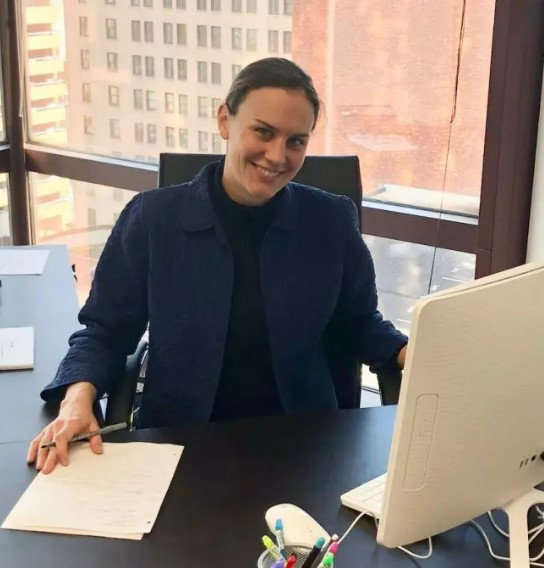
Bolton M. Harris, J.D., is a seasoned attorney with a formidable background in criminal law and a focus on healthcare law and compliance. As the in-house legal counsel at Medical Director Co., Harris brings a unique blend of prosecutorial experience and regulatory expertise to support healthcare professionals across Texas. Her career spans roles as a prosecutor in multiple counties and now as a trusted advisor on the legal intricacies of medical practice operations.
Education & Early Career
Bolton Harris completed her undergraduate studies at Southern Methodist University (SMU) in 2013. During her time at SMU, she was not only a dedicated student but also a competitive athlete on the university’s women’s swimming team. She went on to earn her Juris Doctor from Texas A&M University School of Law in 2016 and became a member of the Texas Bar that same year. Armed with a strong academic foundation and discipline honed as a student-athlete, Harris embarked on a career in criminal law immediately after law school.
Prosecutorial Experience in Texas
Bolton Harris began her legal career in public service as a criminal prosecutor. She served as an Assistant District Attorney in multiple jurisdictions, where she quickly rose through the ranks and handled a broad spectrum of cases. Some highlights of her prosecutorial career include:
Assistant District Attorney, Dallas County, Texas: Prosecuted a high volume of criminal cases in one of the state’s busiest DA offices, gaining extensive trial experience in both misdemeanor and felony courts.
Assistant District Attorney, Ellis County, Texas: Continued to hone her courtroom advocacy skills, known for meticulous case preparation and a tenacious pursuit of justice on behalf of the community.
Assistant District Attorney, Navarro County, Texas: Broadened her legal expertise by handling diverse criminal matters in a smaller county, working closely with law enforcement and community leaders to uphold the law.
Through these roles, Harris built a reputation for being a tough but fair advocate. She brought numerous cases to trial and developed an in-depth understanding of the criminal justice system. This distinguished prosecutorial background laid a strong foundation for the next phase of her career in the private sector.
Healthcare Law & Compliance at Medical Director Co.
After her tenure as a prosecutor, Harris shifted her focus to healthcare law, applying her legal acumen to the medical field. She recognized that the same attention to detail and tenacity that served her in criminal law could benefit healthcare providers navigating complex regulations. Embracing this new direction, Harris became well-versed in the intricate laws governing medical practices – from licensing requirements to patient safety and privacy standards – and is passionate about helping practitioners stay compliant.
In her current role as the in-house attorney for Medical Director Co., Bolton Harris oversees all legal and compliance matters for the organization and its clients. Medical Director Co. is a nurse-owned firm that connects nurse practitioners (NPs), physician assistants (PAs), and registered nurses with qualified medical directors and collaborating physicians, offering fast placements and comprehensive compliance support for healthcare practices. Harris ensures that each of these partnerships and clinical ventures adheres to all applicable state and federal laws. She is responsible for drafting and reviewing collaborative practice agreements, advising on regulatory requirements, and providing ongoing legal counsel as clients establish and grow their clinics. Drawing on her prosecutorial eye for risk management, Harris proactively identifies potential legal issues and addresses them before they escalate, giving healthcare professionals peace of mind.
Bolton M. Harris’s multifaceted expertise – spanning high-stakes courtroom litigation to detailed healthcare compliance – makes her a formidable legal ally. Whether advocating in front of a jury or guiding a medical practice through regulatory hurdles, she remains committed to the highest standards of the legal profession. Her blend of courtroom-tested skill and healthcare law knowledge ensures that clients of Medical Director Co. receive elite-level counsel and steadfast protection in an ever-evolving legal landscape.
Bolton M. Harris, J.D.
is a seasoned attorney with a formidable background in criminal law and a focus on healthcare law and compliance. As the in-house legal counsel at Medical Director Co., Harris brings a unique blend of prosecutorial experience and regulatory expertise to support healthcare professionals across Texas. Her career spans roles as a prosecutor in multiple counties and now as a trusted advisor on the legal intricacies of medical practice operations.