



Disclaimer: This material is provided for educational and informational purposes only. It does not constitute legal or medical advice or regulatory guidance. Requirements and interpretations may vary and change over time. Always verify current rules directly with the Nevada State Board of Medical Examiners (NSBME), the Nevada State Board of Osteopathic Medicine, the Nevada State Board of Nursing, and the Nevada State Board of Pharmacy, and seek advice from qualified legal counsel before making decisions or taking action.
Executive Summary
- Corporate Practice of Medicine (CPOM) Nevada requires all medical decision-making to remain under a Nevada-licensed MD/DO. MSOs may manage business operations but cannot influence diagnosis, treatment, or clinical supervision.
- Medical Director Requirements A medical director must be an actively licensed Nevada MD/DO with DEA registration (if prescribing) and documented availability for supervision, emergencies, and QA oversight.
- APRNs & PAs (Prescriptive Authority & Delegation) APRNs may practice independently with Full Practice Authority (FPA) and must complete PMP checks for controlled drugs. PAs require Supervisory Agreements outlining scope, prescribing limits, and chart-review expectations.
- Scope of Practice Mapping Clinics must maintain a written matrix showing who may perform each procedure (injectables, lasers, IV therapy), tied to licensure, competencies, and supervision requirements.
- Quality Assurance (QA) Requirements Nevada expects documented chart reviews, QA meetings, competency sign-offs, and clear incident-tracking to demonstrate active clinical oversight by the physician.
- Controlled Substance Compliance Prescribers must hold DEA registration and perform Nevada PMP queries before initiating or refilling Schedule II–IV medications, including phentermine.
- Laser & Energy Device Rules Medical-grade lasers/IPL/RF may only be operated by licensed clinicians. Estheticians cannot use medical lasers in Nevada. Clinics must maintain operator training, laser safety certification, and device logs.
- Program-Specific Rules (Medspa, Weight-Loss, Psychiatry) Injectables and lasers require physician oversight; GLP-1s may be prescribed by APRNs or PAs (if authorized); telehealth psychiatric care follows the same standard of care as in-person visits.
- Telehealth Compliance Telehealth is allowed if providers meet Nevada’s documentation, identity verification, consent, and standard-of-care rules. Controlled substances still require PMP checks and DEA compliance.
- Required Paperwork for Inspections Nevada regulators expect to see licensure files, Supervisory Agreements, written protocols, scope matrices, laser/device files, QA logs, PMP documentation, and truthful marketing materials.
- Common Compliance Mistakes Issues include lack of physician control, outdated supervisory agreements, poor QA records, unlicensed staff performing procedures, and missing PMP checks.
- 30/60/90-Day Implementation Framework Clinics should first establish CPOM-compliant governance and agreements, then launch documented QA workflows, and finally complete competency sign-offs and update all protocols before expanding services.
Entity & Ownership Structure
- Clinical authority must remain under a Nevada-licensed physician (MD/DO), consistent with Nevada’s enforcement of the Corporate Practice of Medicine (CPOM).
- MSOs may manage non-clinical functions (billing, HR, admin, marketing) but may not direct medical judgment, diagnosis, treatment decisions, or clinical staffing.
- Nevada relies on CPOM through board interpretation rather than a single statute, but enforcement occurs under NRS 630.301 (unprofessional conduct) when non-clinicians influence medical care.
Medical Director Credentials
- Must hold an active, unencumbered Nevada MD/DO license. Nevada State Board of Medical Examiners — Licensure
- DEA registration required for prescribing controlled substances.
- Must maintain documented physician availability for consultation, emergency supervision, and QA oversight, consistent with NRS 630.3062 (failure to supervise) and professional conduct standards.
Delegation & Prescriptive Authority
APRNs
- APRNs may practice independently with Full Practice Authority (FPA) once they meet Nevada Board of Nursing requirements. Via NRS 632.237 – APRN Requirements and NRS Chapter 632 – Nursing
- Must hold DEA registration to prescribe controlled substances.
- Must query Nevada’s Prescription Monitoring Program (PMP) before prescribing or refilling Schedule II–IV drugs (NRS 453.162).
Physician Assistants
- Must practice under a formal Supervisory Agreement with a Nevada physician (NRS 630.271 & NAC 630.810–630.830).
- Agreement must specify scope of practice, prescribing authority, required supervision, and chart-review expectations.
- PAs need Board approval for controlled-substance prescribing.
Scope of Practice Mapping
- Maintain a written scope matrix for all clinical services (injectables, lasers, IV therapy, diagnostics).
- Include licensure level, training/competency, and supervision level.
- Update when new procedures or staff are added.
Quality Assurance Trail
- Maintain chart-review logs signed by the supervising physician (Required for PAs; recommended for APRNs under risk-management best practices).
- Document regular QA/oversight meetings.
- Maintain competency checklists for every delegated procedure.
- Track incident reports, corrective actions, and follow-up.
Laser / Energy Device Compliance
- Lasers/IPL/RF devices are considered medical devices when used on living tissue or producing physiological effects, and therefore fall under the Nevada Medical Board’s scope of medical practice (NRS 630).
- Only licensed clinicians (MD/DO, APRN, PA, RN) may use medical-grade lasers/IPL under physician-approved protocols.
- Maintain laser-safety training, operator certifications, device maintenance logs, and emergency procedures.
Note: Nevada does not have a cosmetology exemption for medical lasers. Estheticians cannot legally use medical lasers unless they hold a medical license.
Marketing Guardrails
- Advertising must be truthful and must not misrepresent credentials or imply clinical authority where none exists.
- Titles must reflect actual licensure (no use of “doctor” by non-physicians), per NRS 630.306 (false advertising) and Nevada Deceptive Trade Practices Act (NRS 598.0903–598.0999).
- Marketing may not imply that MSOs or laypersons control clinical decisions.
The Arizona Quick Compliance Checklist
Entity & Ownership Structure
Confirm the entity is structured so that a licensed physician retains clinical decision-making authority; non-physician owners may manage administrative functions.
Ensure any MSO contracts are limited to non-clinical services (e.g., billing, staffing, marketing) and do not dictate medical care.
Document physician availability for clinical oversight and ensure compliance with Arizona Revised Statutes § 32-3230.
Medical Director Credentials
The Medical Director must hold an active, unrestricted Arizona MD or DO license from the Arizona Medical Board.
If prescribing controlled substances, they must have a valid DEA registration.
A documented plan should show the physician’s availability, consultation protocols, and emergency coverage.
Delegation & Prescriptive Authority
NPs: Depending on the scope, NPs may practice independently or under collaborative agreement; ensure applicable delegation or collaborative practice documents are correctly executed.
PAs: Under HB 2043 effective January 01, 2024, PAs with ≥ 8,000 hours may collaborate without traditional supervision. Others must have a written supervision or delegation agreement.
All prescribers: Must check the Controlled Substances Prescription Monitoring Program (CSPMP) before prescribing Schedule II, III, or IV controlled substances in Arizona.
Scope of Practice Mapping
Maintain a live document mapping each service (injectables, lasers, IV therapy, diagnostics) to the specific provider authorized, specifying supervision level and training/renewal dates.
For each procedure, indicate applicable Arizona statutes/regulations that govern the scope.
Quality Assurance Trail
Maintain documented chart reviews, QA meeting minutes, and incident/remediation logs.
Hold direct-observation competency sign-offs for each delegate performing high-risk procedures.
Device maintenance, calibration, and usage logs should also be retained.
Device Compliance (Lasers & Energy-Based Devices)
Only appropriately licensed clinicians may operate lasers/IPL/RF devices under physician-approved protocols.
Maintain documentation of operator training, laser safety certification, emergency protocols, and equipment logs.
Verify compliance with Arizona Administrative Code and Arizona Medical Board oversight.
Marketing Guardrails
Titles must reflect licensing; non-physicians may not claim “doctor” or imply ownership/control of medical decision-making.
Advertising must not make unsubstantiated claims or imply that non-physician ownership dictates medical care.
The Legal Frame: CPOM + Who Can Be a “Medical Director”?
What Is CPOM?
Who Can Be a Medical Director?
Delegation & Prescriptive Authority: The Documents that Matter
- APRNs may evaluate, diagnose, treat, and prescribe independently once granted Full Practice Authority under NRS 632.237.
- Prescribing controlled substances requires DEA registration and mandatory Nevada PMP (PDMP) checks per NRS 453.164.
- While not legally required, written protocols for injectables, lasers, and medical devices are strongly recommended in medspa settings to document delegation and safety oversight.
- PAs must practice under a Supervisory Agreement with a Nevada-licensed physician as required by NRS 630.271.
- The agreement must outline scope of practice, prescribing authority, chart-review requirements, and supervision (direct or indirect) conditions.
- Supervisory agreements must be maintained, updated for role or scope changes, and available to the Nevada State Board of Medical Examiners.
- RNs may perform nursing and technical procedures under physician or APRN direction, consistent with the Nevada Nurse Practice Act (NRS Chapter 632).
- Medical assistants are unlicensed support staff permitted only to perform basic tasks (vitals, rooming, documentation) under supervision; they may NOT perform injectables, lasers, or any medical procedures affecting living tissue—consistent with Nevada’s definition of unlicensed practice under NRS 630.400.
Practical Tips That Survive Nevada Audits (Verified 2025)
- Set sustainable QA processes: Nevada boards expect consistent documentation of supervision and quality assurance. Choose chart-review and meeting frequencies you can maintain, and keep signed logs.
- Maintain a delegation index: Track all APRN FPA verification and PA Supervisory Agreements with dates, scope, and renewal cycles. PA oversight is governed by NRS 630.271 and must be available for Board inspection.
- Document competencies: Nevada requires providers to practice within documented competency. Maintain training checklists tied to protocols, signed by the medical director, to meet expectations under NAC 630 (unprofessional conduct/competency).
- Update protocols immediately: Any new treatment—PDO threads, RF microneedling, GLP-1 prescribing—must be reflected in written protocols and delegation documents to maintain compliance with NAC 630 supervision standards.
- PMP diligence: Nevada law (NRS 453.164) requires prescribers to check the Prescription Monitoring Program (PMP) before initiating or refilling Schedule II–IV controlled substances (including phentermine). Keep query documentation for audits.
Program-Specific Spotlight (Nevada 2025 – Verified)
Medspas (Injectables, Energy Devices, Skin Procedures)
- Injectables (Botox®, fillers, threads) are medical procedures under Nevada law and require oversight by a Nevada-licensed physician (MD/DO). Protocols must include dosing, documentation, and adverse-event management.
- Lasers, IPL, RF, and similar devices affecting living tissue qualify as medical devices and may only be operated by licensed clinicians (MD/DO, APRN, PA, RN) under physician-approved protocols. Maintain laser safety training and device logs. Via NAC 630 – Medical Practice Rules.
Telehealth
- Telehealth is permitted under NRS 629.515–629.555 if providers meet the same standard of care as in-person visits, including identity verification, patient consent, and secure record documentation.
- Prescribing must follow federal DEA rules plus Nevada PMP requirements for Schedule II–IV drugs (including phentermine).
Psychiatry & Behavioral Health
- APRNs may independently evaluate, diagnose, and prescribe psychiatric medications once they meet Nevada Full Practice Authority standards. Read NRS 632.237 – APRN Requirements.
- PAs may provide psychiatric services under a Supervisory Agreement with a physician per NRS 630.271, defining oversight, prescribing authority, and chart-review requirements.
- All behavioral-health prescribers must maintain DEA compliance, PMP checks, and crisis-response protocols.
Weight Loss & Wellness
- GLP-1 medications (semaglutide, tirzepatide) may be prescribed independently by APRNs or by PAs with prescribing authority granted in their Supervisory Agreement.
- Phentermine and other controlled substances (Schedule IV) require DEA registration, Nevada PMP queries before prescribing or refilling, and documented follow-ups per NRS 453.164.
- IV therapy is a medical treatment requiring physician-approved protocols, staff competency records, and emergency preparedness consistent with NAC 630 supervision standards.
The Paperwork Nevada Regulators Actually Ask to See (2025)
Entity & Governance
- Entity & Governance: Proof of physician-owned or physician-controlled entity and MSO contracts showing no clinical authority.
- Licenses & Registrations: Current MD/DO, APRN, PA, RN licenses, DEA registration (if applicable), and Nevada PMP enrollment.
- Supervisory/Delegation Agreements: Signed PA Supervisory Agreements (required under NRS 630) and internal delegation/standing orders for APRNs, RNs, and support staff.
- Clinical Protocols: Updated protocols for injectables, lasers, IV therapy, and weight-loss medications with consents and complication procedures.
- Scope Matrix: Clear task list showing who may perform each procedure, tied to Nevada scope rules and documented competencies.
- Device Files: Laser safety training, operator credentials, maintenance logs, and emergency procedures.
- Quality Assurance: Chart-review logs, QA meeting notes, incident reports, and documentation of corrective actions.
- Prescribing Compliance: PMP query records, controlled-substance prescribing documentation, and e-prescribing procedures.
- Marketing Compliance: Internal approvals confirming truthful advertising and proper use of licensure titles.
- CSPMP query logs, e-prescribing procedures, and controlled-substance inventory or waste logs.
- Document PDMP check frequency (every new prescription and at least every 90 days) for Schedule II–IV drugs.
Avoid These Common Nevada Mistakes (2025)
- Using “medical director” as a title without real physician control, which violates Nevada’s Corporate Practice of Medicine enforcement standards.
- Not updating supervisory or delegation documents when adding new services, devices, or clinical staff.
- Poor QA documentation, including missing chart reviews, competency records, or incident follow-up notes.
- Allowing unlicensed personnel to perform medical procedures, such as injections, IV therapy, or laser/IPL use—restricted to licensed clinicians only.
- Failing to perform Nevada PMP checks before prescribing or refilling Schedule II–IV controlled substances.
Step-by-Step: Building a Defensible Nevada Setup (30/60/90 Plan)
Days 1–30: Foundation
- Confirm the practice structure keeps all medical decision-making under a Nevada-licensed physician to satisfy CPOM enforcement.
- Confirm all provider licenses, DEA registrations, and Nevada PMP enrollments are active.
- Draft or update Supervisory Agreements for PAs and written clinical protocols for injectables, devices, and IV therapy.
Days 31–60: QA in Motion
- Begin documented QA meetings and chart reviews to demonstrate ongoing physician oversight.
- Run a mock compliance review using Nevada State Board of Medical Examiners (NSBME) and Board of Nursing standards.
- Review marketing content to ensure titles reflect licensure and no misleading claims appear.
Days 61–90: Harden & Scale
- Complete competency sign-offs for injectors, device operators, and IV therapy personnel.
- Ensure clinical and administrative records can be produced promptly for regulatory audits.
- Update all protocols and supervisory documents before offering new procedures or expanding services.
FAQs
Can a non-physician own a Nevada clinic?
Yes, but they cannot control clinical decisions. Physicians must retain clinical authority.
Who can serve as a medical director?
Only a Nevada-licensed MD/DO in good standing.
Do APRNs require supervision?
No. Nevada grants Full Practice Authority to APRNs once requirements are met.
Do PAs require supervisory agreements?
Yes. PAs must practice under a written Supervisory Agreement with a physician.
Are lasers and injectables considered medical?
Yes. Both require physician oversight and protocols.
Is telehealth prescribing allowed?
Yes, if it meets the standard of care and follows DEA + Nevada PMP rules.
How Medical Director Co. Fits into Nevada Compliance
Nevada’s regulatory environment requires clear physician oversight, structured delegation, and strict adherence to CPOM and PMP rules. Medical Director Co. provides end-to-end compliance support to help Nevada medspas and weight-loss clinics operate safely, legally, and efficiently.
- Nevada-Licensed Medical Directors
We match clinics with actively licensed Nevada MDs/DOs who have experience in aesthetics, telehealth, psychiatry, and weight management, ensuring physician-led oversight that satisfies state supervision and CPOM enforcement expectations. - Customized Supervisory Agreements & Protocols
We create Nevada-specific Supervisory Agreements for PAs and clinical protocols for injectables, devices, telehealth, and weight-loss medications, aligned with NSBME and Board of Nursing requirements. - Quality Assurance (QA) Systems
We provide templates and workflows for chart reviews, competency evaluations, incident documentation, and ongoing physician oversight—meeting NSBME audit expectations. - Laser & Energy Device Compliance
We supply device protocols, operator training standards, and safety policies so clinics meet Nevada’s requirements for medical-grade laser/IPL/RF use under physician-approved supervision. - CPOM-Safe MSO Structure Review
We review Management Services Organization (MSO) agreements to help ensure administrative services do not cross into prohibited clinical control. - Regulatory Monitoring & Proactive Guidance
We track updates from the Nevada State Board of Medical Examiners, Board of Nursing, Board of Pharmacy, and PMP program, providing policy alerts and operational adjustments before issues arise.
Areas We Serve
Medical Director Co. provides statewide medical director and compliance support across Nevada’s major population centers and growing healthcare markets.
We work statewide, including:
Nevada Resources & References
- DEA Diversion Control Division: https://www.deadiversion.usdoj.gov/
- Nevada Revised Statutes – Justia: https://law.justia.com/codes/nevada/2024/
- Nevada Medical Board: https://medboard.nv.gov/
- Nevada Public Law Statutes: https://nevada.public.law/statutes
- Nevada Admin Code – Legal Information Institute: https://www.law.cornell.edu/regulations/nevada/

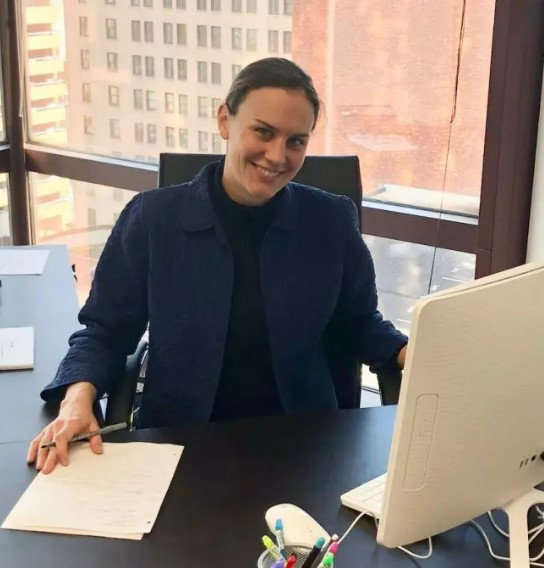
Bolton M. Harris, J.D., is a seasoned attorney with a formidable background in criminal law and a focus on healthcare law and compliance. As the in-house legal counsel at Medical Director Co., Harris brings a unique blend of prosecutorial experience and regulatory expertise to support healthcare professionals across Texas. Her career spans roles as a prosecutor in multiple counties and now as a trusted advisor on the legal intricacies of medical practice operations.
Education & Early Career
Bolton Harris completed her undergraduate studies at Southern Methodist University (SMU) in 2013. During her time at SMU, she was not only a dedicated student but also a competitive athlete on the university’s women’s swimming team. She went on to earn her Juris Doctor from Texas A&M University School of Law in 2016 and became a member of the Texas Bar that same year. Armed with a strong academic foundation and discipline honed as a student-athlete, Harris embarked on a career in criminal law immediately after law school.
Prosecutorial Experience in Texas
Bolton Harris began her legal career in public service as a criminal prosecutor. She served as an Assistant District Attorney in multiple jurisdictions, where she quickly rose through the ranks and handled a broad spectrum of cases. Some highlights of her prosecutorial career include:
- Assistant District Attorney, Dallas County, Texas: Prosecuted a high volume of criminal cases in one of the state’s busiest DA offices, gaining extensive trial experience in both misdemeanor and felony courts.
- Assistant District Attorney, Ellis County, Texas: Continued to hone her courtroom advocacy skills, known for meticulous case preparation and a tenacious pursuit of justice on behalf of the community.
- Assistant District Attorney, Navarro County, Texas: Broadened her legal expertise by handling diverse criminal matters in a smaller county, working closely with law enforcement and community leaders to uphold the law.
Through these roles, Harris built a reputation for being a tough but fair advocate. She brought numerous cases to trial and developed an in-depth understanding of the criminal justice system. This distinguished prosecutorial background laid a strong foundation for the next phase of her career in the private sector.
Healthcare Law & Compliance at Medical Director Co.
After her tenure as a prosecutor, Harris shifted her focus to healthcare law, applying her legal acumen to the medical field. She recognized that the same attention to detail and tenacity that served her in criminal law could benefit healthcare providers navigating complex regulations. Embracing this new direction, Harris became well-versed in the intricate laws governing medical practices – from licensing requirements to patient safety and privacy standards – and is passionate about helping practitioners stay compliant.
In her current role as the in-house attorney for Medical Director Co., Bolton Harris oversees all legal and compliance matters for the organization and its clients. Medical Director Co. is a nurse-owned firm that connects nurse practitioners (NPs), physician assistants (PAs), and registered nurses with qualified medical directors and collaborating physicians, offering fast placements and comprehensive compliance support for healthcare practices. Harris ensures that each of these partnerships and clinical ventures adheres to all applicable state and federal laws. She is responsible for drafting and reviewing collaborative practice agreements, advising on regulatory requirements, and providing ongoing legal counsel as clients establish and grow their clinics. Drawing on her prosecutorial eye for risk management, Harris proactively identifies potential legal issues and addresses them before they escalate, giving healthcare professionals peace of mind.
Bolton M. Harris’s multifaceted expertise – spanning high-stakes courtroom litigation to detailed healthcare compliance – makes her a formidable legal ally. Whether advocating in front of a jury or guiding a medical practice through regulatory hurdles, she remains committed to the highest standards of the legal profession. Her blend of courtroom-tested skill and healthcare law knowledge ensures that clients of Medical Director Co. receive elite-level counsel and steadfast protection in an ever-evolving legal landscape.
