
Medical director requirements are not uniform across the United States. A franchise operating in California, Texas, and Florida is navigating three distinct regulatory frameworks, each with its own rules governing physician oversight, ownership structures, standing orders, and clinical compliance. As a result, a compliance strategy that works in one state may not satisfy the requirements of another.
For multi-location operators, understanding medical director requirements by state franchise organizations must follow is essential to maintaining consistent operations and reducing regulatory risk. Expanding into new markets often means adapting medical director agreements, reviewing standing orders, and ensuring physicians meet state-specific licensure and oversight requirements.
This article provides a practical guide for franchise clinic operators who need a working understanding of state-level compliance without becoming healthcare attorneys. This article is for informational purposes only and does not constitute legal advice. Laws change. Consult a qualified healthcare attorney for state-specific guidance.
Why State Requirements Vary So Much for Medical Directors
One of the biggest compliance challenges facing franchise clinic operators is that medical director requirements are largely governed at the state level. While federal healthcare laws provide an overarching regulatory framework, each state maintains its own rules regarding physician oversight, provider delegation, ownership structures, and clinical decision-making authority.
A major reason for this variation is the Corporate Practice of Medicine (CPOM) doctrine. CPOM laws are designed to prevent non-physicians from exercising undue control over medical decisions. However, states interpret and enforce these rules differently. California, New York, and Texas are generally considered strict CPOM states, where physician ownership requirements, management service organization (MSO) structures, or other compliance mechanisms are often necessary. Other states take a more permissive approach, allowing greater operational flexibility while still requiring appropriate physician oversight.
The result is that a franchise operator cannot assume a compliance model that works in one state will automatically work in another. A medical director agreement, standing orders framework, or ownership structure that is acceptable in Florida may require significant modifications before it can be used in California or New York.
For multi-state franchise organizations, this is why medical directors should be vetted not only for clinical qualifications but also for state-specific licensure, regulatory knowledge, and familiarity with the compliance requirements of the markets they oversee.
High-Compliance States Every Franchise Operator Should Know
California
California is one of the most challenging states for franchise clinic operators due to its strict enforcement of Corporate Practice of Medicine (CPOM) laws. Corporate entities generally cannot employ physicians or control medical decision-making. Physician-owned professional corporations and properly structured management services organizations (MSOs) are commonly used to maintain compliance. Franchise operators should obtain state-specific legal guidance before entering the California market.
Medical director requirements vary significantly across the country, and state laws continue to evolve. The following summaries are intended as a general overview for franchise operators and should not be relied upon as legal advice. Always verify current requirements with qualified healthcare counsel before opening, acquiring, or expanding a clinic in any state.
New York
New York maintains strong CPOM restrictions and actively enforces corporate practice prohibitions. The state also has specific supervision and collaboration requirements affecting physicians, nurse practitioners, and physician assistants. Because ownership, management, and oversight structures are closely scrutinized, franchise operators expanding into New York should work with healthcare counsel to evaluate medical director arrangements and compliance obligations before launch.
Texas
Texas presents unique compliance challenges due to its CPOM framework, fee-splitting prohibitions, and delegation requirements. Management services organization structures are commonly used to support compliant operations. The Texas Medical Board imposes specific rules governing delegation, supervision, and standing orders, making careful review of medical director agreements and clinical protocols essential for franchise operators.
Florida
Florida has historically been viewed as more permissive than California, New York, or Texas, but regulatory requirements continue to evolve. Medspa, wellness, and specialty clinic operators should closely monitor developments affecting telehealth, good faith exams, and physician oversight. Franchise operators should ensure that standing orders, medical director agreements, and compliance procedures remain aligned with current Florida requirements.
Illinois
Illinois maintains CPOM restrictions and imposes specific scope-of-practice requirements for non-physician providers working in aesthetic, wellness, and outpatient settings. Medical directors play an important role in overseeing clinical protocols, delegation, and compliance activities. Before opening a new location, franchise operators should review their standing orders, provider supervision structure, and operational model for state-specific compliance.
What Multi-State Franchises Get Wrong About Compliance
1. Assuming One Medical Director Can Cover Every State
A physician generally must hold an active license in the state where they provide clinical oversight. Franchise operators sometimes assume a medical director who is qualified in one state can automatically oversee locations in another. Without proper state licensure, the arrangement may not satisfy applicable regulatory requirements.
Expanding into multiple states creates new compliance obligations that many franchise operators underestimate. The following mistakes are among the most common and can create avoidable regulatory, operational, and legal risks.
2. Using the Same Standing Orders Everywhere
Standardization is important, but standing orders should not be copied across states without review. Scope-of-practice rules, delegation requirements, telehealth regulations, and procedure oversight standards can vary significantly from one jurisdiction to another.
3. Failing to Update Medical Director Agreements
Opening a new location often requires more than simply adding another address. Medical director agreements, physician responsibilities, and compliance documentation may need to be revised to reflect state-specific requirements.
4. Overlooking Telehealth and Good Faith Exam Rules
Telehealth and good faith exam requirements continue to evolve across the country. A workflow that is permissible in one state may require different documentation, provider involvement, or patient evaluation procedures in another.
5. Treating Compliance as a One-Time Project
Medical director compliance is not a set-it-and-forget-it process. Laws change, regulations evolve, and clinical services expand. Regular reviews of standing orders, agreements, and oversight procedures are essential to maintaining compliance as a franchise grows.
The most successful multi-state operators treat compliance as an ongoing operational function rather than a one-time setup task. Regular review and proactive updates help reduce risk while supporting consistent clinical standards across every location.
How to Structure Multi-State Medical Director Coverage the Right Way
Approach 1: A Single Physician Licensed in Multiple States
Some organizations rely on a single medical director who holds licenses in all relevant states. While this approach can simplify communication and clinical oversight, it is becoming less common as franchises expand. Maintaining multiple state licenses, staying current with state-specific regulations, and managing oversight responsibilities across numerous markets can create significant administrative complexity.
As franchise organizations expand into new markets, medical director coverage becomes increasingly complex. The goal is not simply to have a physician associated with each location. The goal is to create a compliant, scalable framework that supports consistent clinical oversight across every state where the franchise operates.
Approach 2: A Coordinated Multi-State Medical Director Network
Many growing franchise brands use a coordinated group of physicians, with each medical director licensed and qualified in the state they oversee. This model allows organizations to align with state-specific requirements while maintaining adequate physician coverage as the business grows. It is also the approach Medical Director Co. specializes in for multi-location operators.
Regardless of the structure used, the key to success is consistency. A standardized standing orders framework, unified compliance processes, and coordinated medical oversight help ensure that locations operate under the same clinical standards, even when different physicians are responsible for different states. This creates a more scalable compliance model while reducing regulatory and operational risk.
How Medical Director Co Handles Multi-State Compliance for Franchise Operators
Managing medical director compliance across multiple states requires more than simply finding a licensed physician. Medical Director Co. matches franchise operators with medical directors based on state-specific licensure, regulatory familiarity, and experience overseeing clinics in complex compliance environments. Each placement is evaluated against the requirements of the specific market being served.
Medical Director Co. has extensive experience supporting franchise operators in high-compliance states such as California, New York, Texas, and Florida, where ownership structures, delegation rules, standing orders, and physician oversight requirements often demand additional attention. Beyond physician placement, the team helps establish a consistent clinical framework that supports compliance across all locations.
Whether you are expanding into a new market or reviewing an existing compliance structure, explore our multi-location medical director services and state-specific solutions, including medical director in California, medical director in Texas, medical director in Florida, and medical director in New York.
Book a Compliance Review Call to discuss your franchise’s multi-state medical director needs.
Frequently Asked Questions
What is the Corporate Practice of Medicine doctrine?
The Corporate Practice of Medicine (CPOM) doctrine is a legal framework that restricts corporations and non-physicians from employing physicians or controlling medical decision-making. The purpose is to preserve independent clinical judgment and prevent business interests from influencing patient care. States vary significantly in how they interpret and enforce CPOM laws. For franchise clinic operators, compliance may require physician-owned entities, management services organizations (MSOs), or other state-specific structures depending on where the clinics operate.
Does a medical director need to be licensed in every state where a franchise operates?
Generally, yes. A medical director should hold an active and unrestricted license in each state where they provide clinical oversight or fulfill regulatory responsibilities. For franchise organizations operating across multiple states, this often requires either a physician with multi-state licensure or a coordinated network of physicians licensed in their respective jurisdictions. The appropriate structure depends on the states involved, the services offered, and the clinic’s operational model.
What states are hardest for franchise clinics to find a medical director?
California, New York, and Texas are often considered among the most complex states due to strict Corporate Practice of Medicine laws, physician ownership considerations, delegation requirements, and other healthcare regulations. Florida and Illinois also present important compliance considerations for franchise operators. Because requirements vary by state and continue to evolve, medical directors serving these markets should have experience with the specific regulatory environment and operational challenges associated with each jurisdiction.

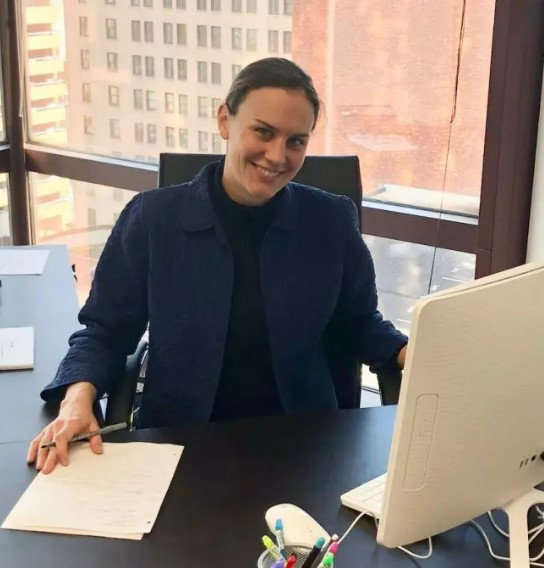
Bolton M. Harris, J.D., is a seasoned attorney with a formidable background in criminal law and a focus on healthcare law and compliance. As the in-house legal counsel at Medical Director Co., Harris brings a unique blend of prosecutorial experience and regulatory expertise to support healthcare professionals across Texas. Her career spans roles as a prosecutor in multiple counties and now as a trusted advisor on the legal intricacies of medical practice operations.
Education & Early Career
Bolton Harris completed her undergraduate studies at Southern Methodist University (SMU) in 2013. During her time at SMU, she was not only a dedicated student but also a competitive athlete on the university’s women’s swimming team. She went on to earn her Juris Doctor from Texas A&M University School of Law in 2016 and became a member of the Texas Bar that same year. Armed with a strong academic foundation and discipline honed as a student-athlete, Harris embarked on a career in criminal law immediately after law school.
Prosecutorial Experience in Texas
Bolton Harris began her legal career in public service as a criminal prosecutor. She served as an Assistant District Attorney in multiple jurisdictions, where she quickly rose through the ranks and handled a broad spectrum of cases. Some highlights of her prosecutorial career include:
- Assistant District Attorney, Dallas County, Texas: Prosecuted a high volume of criminal cases in one of the state’s busiest DA offices, gaining extensive trial experience in both misdemeanor and felony courts.
- Assistant District Attorney, Ellis County, Texas: Continued to hone her courtroom advocacy skills, known for meticulous case preparation and a tenacious pursuit of justice on behalf of the community.
- Assistant District Attorney, Navarro County, Texas: Broadened her legal expertise by handling diverse criminal matters in a smaller county, working closely with law enforcement and community leaders to uphold the law.
Through these roles, Harris built a reputation for being a tough but fair advocate. She brought numerous cases to trial and developed an in-depth understanding of the criminal justice system. This distinguished prosecutorial background laid a strong foundation for the next phase of her career in the private sector.
Healthcare Law & Compliance at Medical Director Co.
After her tenure as a prosecutor, Harris shifted her focus to healthcare law, applying her legal acumen to the medical field. She recognized that the same attention to detail and tenacity that served her in criminal law could benefit healthcare providers navigating complex regulations. Embracing this new direction, Harris became well-versed in the intricate laws governing medical practices – from licensing requirements to patient safety and privacy standards – and is passionate about helping practitioners stay compliant.
In her current role as the in-house attorney for Medical Director Co., Bolton Harris oversees all legal and compliance matters for the organization and its clients. Medical Director Co. is a nurse-owned firm that connects nurse practitioners (NPs), physician assistants (PAs), and registered nurses with qualified medical directors and collaborating physicians, offering fast placements and comprehensive compliance support for healthcare practices. Harris ensures that each of these partnerships and clinical ventures adheres to all applicable state and federal laws. She is responsible for drafting and reviewing collaborative practice agreements, advising on regulatory requirements, and providing ongoing legal counsel as clients establish and grow their clinics. Drawing on her prosecutorial eye for risk management, Harris proactively identifies potential legal issues and addresses them before they escalate, giving healthcare professionals peace of mind.
Bolton M. Harris’s multifaceted expertise – spanning high-stakes courtroom litigation to detailed healthcare compliance – makes her a formidable legal ally. Whether advocating in front of a jury or guiding a medical practice through regulatory hurdles, she remains committed to the highest standards of the legal profession. Her blend of courtroom-tested skill and healthcare law knowledge ensures that clients of Medical Director Co. receive elite-level counsel and steadfast protection in an ever-evolving legal landscape.