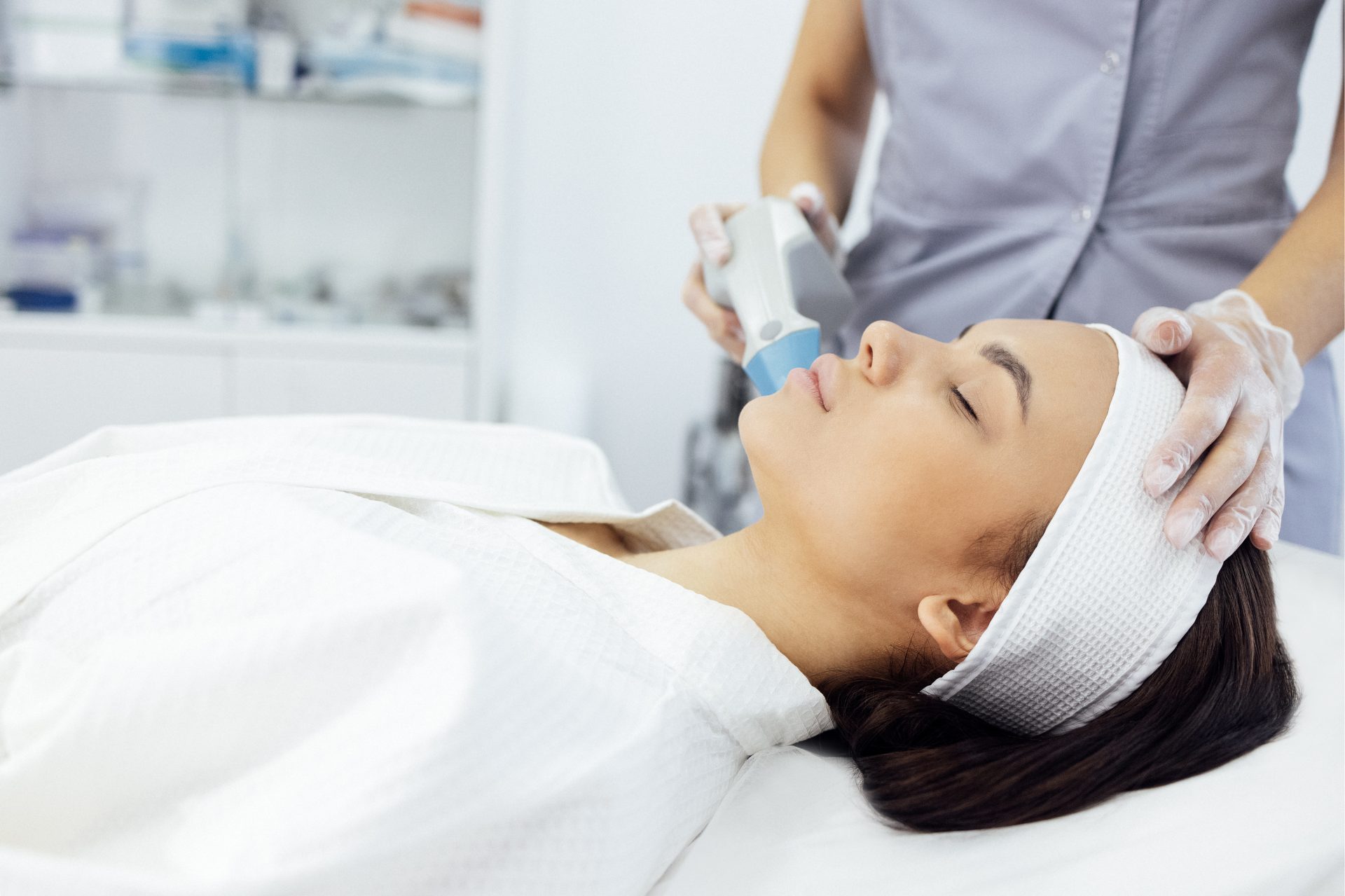
Opening a medical spa triggers more licensing requirements than most first-time owners anticipate. A general business license gets you a legal entity. It does not authorize a single medical procedure. The moment your menu includes injectables, lasers, or prescription-grade treatments, you’re operating a medical facility under state law, and an entirely separate licensing layer applies.
Key Takeaways
- What makes a spa “medical” and why that classification changes every license you need → Jump to Section: Why Med Spas Are Regulated as Medical Facilities
- The minimum license stack includes a business license, a facility permit, and a medical oversight layer → Jump to Section: Licenses Required at the State Level
- Skipping any one license exposes you to fines, cease-and-desist orders, and personal liability → Jump to Section: What Happens if You Skip Licensing?
Why Med Spas Are Regulated as Medical Facilities
A standard day spa, such as facials, waxing, and massage, operates under cosmetology and business regulations. A medical spa operates under those rules and medical practice law. The difference is not about the space’s aesthetics. It is about the treatments on the menu.
Any procedure that requires a prescription, penetrates the dermis, or uses a device classified as a medical instrument triggers clinical regulation in most states. That regulatory upgrade means your spa must be structured, staffed, and licensed as a healthcare facility, not just a wellness business.
Treatments that classify a spa as medical:
- Injectable neuromodulators and dermal fillers (Botox, Juvederm, and similar)
- Laser and energy-based devices used for hair removal, skin resurfacing, or body contouring
- IV therapy and vitamin infusions
- Prescription-grade topicals and weight-loss medications
- Any procedure that penetrates the dermis or requires a physician order
Quick check: Does your spa offer injectables, lasers, or prescription services? If yes, you are operating a medical spa, and the licensing requirements below apply to you.
Licenses Required at the State Level
Med spa licensing works in three distinct categories. You need all three before you open your doors. Missing even one creates legal exposure regardless of how compliant you are in the other areas.
Business and General Operating Licenses
Every business in the country starts here. You need a general business license from your city or county, an Employer Identification Number (EIN) from the IRS, and zoning approval confirming your location is cleared for commercial medical use.
These licenses confirm that you can operate a business at a specific address. They do not authorize a single medical service. In California, for example, local business permits are issued independently of any state medical board approval. So, clearing one does not mean you have cleared the other.
Clinical and Medical Licenses
This is the licensing layer that separates a medical spa from a standard day spa. Unlike a general business license, these credentials authorize your team to perform medical procedures legally. Getting this layer wrong exposes every provider on your staff to personal liability, not just the business.
- State medical board registration for your practice entity
- Individual clinical staff licenses for every provider on your team (MD, NP, RN, or PA, depending on your state’s delegation rules)
- DEA registration if your spa uses controlled substances or dispenses prescription products
- A corporate structure that satisfies your state’s ownership rules
In Texas, for instance, the Texas Medical Board requires that a physician establish and maintain clinical oversight of all medical procedures performed at a med spa. California operates under similar physician supervision requirements enforced through the Medical Board of California.
Facility Permits
A facility permit is separate from your business license and issued by your state health department. It confirms that your physical space meets the safety, sanitation, and equipment standards required to perform clinical procedures.
Beyond the health department permit, you need OSHA compliance documentation and local fire and safety inspection clearance. Permit requirements vary significantly by state. Florida’s Agency for Health Care Administration, for example, has specific med spa facility classifications that require separate applications from standard business licensing.
The Role of a Medical Director
Most new med spa owners underestimate this step, both in terms of what it requires and how long it takes to get right. A medical director is not a name on a contract. They are an active clinical overseer who carries real legal responsibility for the care your spa provides.
What a Medical Director Does for Your Med Spa
A medical director isn’t a figurehead or a name on a compliance form. They’re the licensed physician responsible for every clinical decision made inside your spa, from the treatment protocols your staff follows to the standing orders that cover situations when the physician isn’t on-site. A medical director’s responsibilities include:
- Reviewing and approving all clinical treatment protocols
- Signing delegation agreements that authorize nurses and aestheticians to perform specific procedures
- Writing standing orders that govern how staff handle clinical decisions without the physician present
- Reviewing patient charts and monitoring for adverse outcomes
- Ensuring your spa’s practices stay within the scope of what your state’s medical board permits
In states that prohibit the Corporate Practice of Medicine (CPOM), such as California, Texas, and Florida among them, non-physician owners cannot directly employ physicians or control medical decision-making. The typical solution is a Management Services Organization (MSO) structure paired with a Professional Corporation (PC). Your business manages operations; the physician-owned PC handles all clinical functions. Setting this up without a qualified medical director in place first creates a structural problem that delays your opening and your licensing.
How to Find and Place One Quickly
Finding a qualified, state-licensed medical director who understands med spa operations is one of the most time-consuming steps in the entire opening process. Most new owners do not budget enough time for it, and delays here push back every other licensing deadline.
Medical Director Co. solves this with a 24-hour placement match. If you are in a CPOM state, we can also help you structure the MSO-PC arrangement correctly from the start.
What Happens if You Skip Licensing?
Operating without the correct licenses is not a gray area. State medical boards and attorneys general treat it as a violation of medical practice law, and enforcement is not slow.
The consequences include:
- Cease-and-Desist Order: A state medical board or attorney general can issue an order that immediately shuts down your business, often before a formal hearing takes place.
- Personal Liability: You, as the owner, and any clinical staff who performed unlicensed medical services are personally responsible, separate from the business entity.
- License Revocation or Suspension: Any physician, nurse, or PA involved in unlicensed practice risks losing their professional license through their state licensing board.
- Civil Liability: If a patient was harmed during an unlicensed procedure, you’re exposed to lawsuits that operate entirely outside the regulatory process.
- Fines: Penalties range from $50,000 to $100,000 or more depending on the state and the severity of the violation.
To make this concrete: a nurse injector in Florida opened a Botox clinic without a supervising physician. After a single patient complaint, the state medical board issued a cease-and-desist, assessed a $75,000 fine, and referred the case to the Board of Nursing for license review. The business never reopened.
The legal and financial cost of getting licensed correctly upfront is a fraction of what enforcement costs after the fact.
Frequently Asked Questions
Do you need a license to open a spa that offers medical treatments?
Any spa offering injectables, lasers, IV therapy, or prescription treatments needs a business license, a state facility permit, clinical staff licenses, and a licensed medical director providing physician oversight. The specific requirements vary by state, but the need for all four categories doesn’t.
What happens if you open a medical spa without the proper license?
You risk a cease-and-desist order, fines ranging from $50,000 to over $100,000, personal liability for the owner and clinical staff, and revocation of any professional licenses held by staff who performed unlicensed services. If a patient was harmed, civil liability exposure adds to those risks.
Do you need a medical license to own a med spa?
Not in every state, but the structure of your ownership matters. In states with CPOM laws, including California, Texas, and Florida, non-physicians cannot own the clinical side of the practice outright. The common solution is an MSO-PC structure where a physician-owned Professional Corporation controls all clinical decisions. A qualified medical director is the foundation of that structure.
Can an esthetician open a medical spa without a medical license?
An esthetician can be the business owner, but not the clinical authority. Any medical service requires a licensed physician in an oversight role. Without that oversight structure in place, the esthetician is operating outside their scope of practice under state law, which creates the same liability exposure described above.
Do you need a license to open a spa in every state, or just some?
Every state requires licensing for medical spa operations, but the specific licenses, structures, and oversight requirements differ. California, Texas, and Florida each have distinct medical board requirements, CPOM restrictions, and facility permit processes. Before you finalize your location, review your state’s medical board rules and consult a healthcare attorney or a placement service that understands your state’s framework.
Start With the License That Unlocks Everything Else
A medical spa needs a business license, a state facility permit, licensed clinical staff, and a medical director providing physician oversight. All four are required before you can legally open. The medical director placement is the step that takes the most time to get right, and the step that unlocks your ability to satisfy the clinical licensing requirements above it.
Get the structure right before you sign a lease or hire staff. The cost of doing it in the wrong order is far higher than the cost of doing it once, correctly.