

Texas is one of the fastest-growing states for medical aesthetics, attracting a steady stream of new owners, investors, and operators seeking to understand who can own a med spa in Texas.
Many entrepreneurs assume that anyone can open a med spa, but Texas follows the Corporate Practice of Medicine rule. This rule separates medical decisions from business activities, which creates confusion for first-time owners.
The good news is that non-physicians can participate in ownership, revenue, and business operations—but only when the structure is set up correctly. Medical Director Co. helps owners navigate these rules by connecting them with physicians and providing guidance that keeps new clinics compliant as they grow.
This guide explains who can own a med spa in Texas, how the two-entity model works, where new owners make mistakes, and how to build a structure that supports safer operations, stronger profitability, and long-term growth.
Understanding Who Can Own a Med Spa in Texas
The answer to who can own a med spa in Texas depends on how the business is structured. Texas law does not allow non-physicians to own or control the medical side of a med spa, but it does allow non-physicians to own the business operations through a separate entity.
The Corporate Practice of Medicine Rule in Texas
Texas follows the Corporate Practice of Medicine rule, which limits who can control medical decisions and how clinical activities must be supervised. This rule applies to all medical practices, including med spas, and serves as the foundation for understanding who can own a med spa in Texas.
Under CPOM, medical judgment, diagnosis, and treatment oversight must remain with a licensed physician, which is why med spa procedures are legally viewed as medical services. The rule also explains why Texas separates medical ownership from business ownership. A non-physician may handle marketing, operations, or administration, but they cannot control medical choices or supervise clinical staff.
How Non-Physicians Can Still Participate Legally
Even though medical services must be physician-controlled, Texas allows the popular two-entity model, which lets non-physicians own the business functions.
Here is how it works:
- The first entity, a physician-owned professional entity (PLLC or PA), provides all medical services.
- The second entity, a non-physician-owned MSO (Management Services Organization),
provides business support services under contract.
This structure helps owners create a compliant business while still controlling branding, marketing, staffing, and general operations. The medical director, on the other hand, oversees the physician entity, approves protocols, and ensures the MSO structure does not cross clinical boundaries.
How the Two-Entity Model Works in Real Clinics
Many med spa startups face challenges because they launch without fully understanding how the two entities work together. Using the MSO structure correctly helps avoid mistakes and improve profitability.
What the Physician Entity Controls
Because physicians must control medical activity, the physician entity manages:
- All medical treatments and protocols
- Chart review and prescriptive oversight
- Supervision of injectors and laser operators
- Corrective action and complication management
These duties cannot be transferred outside the physician’s authority.
What the MSO Controls
The MSO handles business functions that support clinic operations. This is where non-physicians can participate in ownership and revenue.
In a compliant setup, an MSO typically manages:
- Marketing, branding, and advertising
- Scheduling and front desk support
- HR, payroll, and training coordination
- Lease agreements, equipment, and software
- Administrative policies and business planning
These activities do not involve medical judgment. When structured well, the MSO improves efficiency, supports growth, and strengthens profitability.
Common Mistakes New Texas Med Spa Owners Make
Many new owners misunderstand who can own a med spa in Texas, which creates preventable challenges early in the business lifecycle.
Using the Wrong Ownership Structure
Some clinics mistakenly form a single LLC for both business and medical services. This violates CPOM rules and can lead to penalties, insurance issues, and license risk for the supervising physician.
Allowing Operations to Influence Medical Decisions
Another common mistake occurs when an MSO oversteps and begins directing medical tasks. Even small decisions, like instructing staff on treatment steps or dosage ranges, can violate state rules.
A medical director clarifies boundaries, designs safe workflows, and ensures the clinic’s systems support growth without crossing regulatory lines.
Why Ownership Structure Influences Profitability, Marketing, and Growth
A compliant structure makes the business easier to scale. It also makes the clinic safer, more credible, and more attractive to investors or future partners.
Profitability Improves When Roles Are Clear
When each entity understands its responsibilities, clinics reduce liability, improve efficiency, and build predictable revenue systems. This clarity helps both new and established clinics grow without disruptions.
Marketing and Growth Benefit from Strong Compliance
Marketing claims, provider titles, and treatment descriptions must be accurate under Texas rules. A strong compliance structure supports high trust marketing, better ad performance, and patient confidence.
Growth becomes easier when the clinic’s foundation is sound.
How Medical Director Co. Supports Texas Med Spas
Owners who want to understand who can own a med spa in Texas often need guidance through the early setup. Medical Director Co. supports Texas med spas by providing licensed supervising physicians and clear compliance structures.
Our model includes:
- Accessible pricing with no placement fees
- Fast matching with qualified Texas medical directors
- Support for MSO structures
- Complimentary MSO templates
- No switching fees
- 24-hour placement in most cases
A medical director for med spa operations ensures your clinical systems and delegation models support safe growth.
Find a Texas Medical Director with Medical Director Co.
We match Texas med spas with licensed physicians and help owners set up the business legally and efficiently.
Areas We Serve:
- Dallas
- Houston
- Austin
- Fort Worth
- San Antonio
- El Paso
- Arlington
- Sugar Land
- Frisco
- McKinney
- League City
- Irving
- Katy
- Carrollton
- Highland Park
- Westlake
- Southlake
- Plano
- Brownsville
- Tyler
- McAllen
Summary of Key Points
- Texas does not allow non-physicians to own the medical side of a med spa.
- Non-physicians can own an MSO and control business operations.
- The two-entity model keeps clinics compliant and profitable.
- Avoiding CPOM mistakes protects providers and owners.
- Strong medical direction supports growth, marketing, and safer operations.
Final Thoughts
Understanding who can own a med spa in Texas protects new owners from avoidable risks and helps them build a clinic that can grow with confidence.
Medical Director Co. supports Texas med spas with compliant structures, licensed physicians, and guidance that strengthens both safety and profitability.
FAQs
Can a non-physician own a med spa in Texas?
Yes, but only through an MSO. The medical practice must still be physician-owned.
Can an RN or NP own a med spa in Texas?
They can own the MSO but not the medical entity.
Why does Texas restrict medical ownership?
Texas prohibits the Corporate Practice of Medicine to protect patients and keep medical decisions in the hands of licensed physicians.
What are the biggest challenges new med spa owners face?
Structuring entities correctly, avoiding CPOM mistakes, and ensuring marketing compliance are the most common challenges.
How can Medical Director Co. help?
Medical Director Co. matches clinics with supervising physicians and provides guidance that supports compliance, safety, and long-term growth.
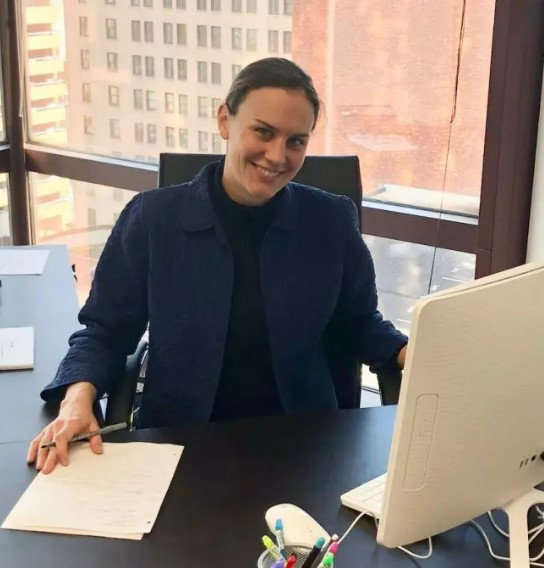
Bolton M. Harris, J.D., is a seasoned attorney with a formidable background in criminal law and a focus on healthcare law and compliance. As the in-house legal counsel at Medical Director Co., Harris brings a unique blend of prosecutorial experience and regulatory expertise to support healthcare professionals across Texas. Her career spans roles as a prosecutor in multiple counties and now as a trusted advisor on the legal intricacies of medical practice operations.
Education & Early Career
Bolton Harris completed her undergraduate studies at Southern Methodist University (SMU) in 2013. During her time at SMU, she was not only a dedicated student but also a competitive athlete on the university’s women’s swimming team. She went on to earn her Juris Doctor from Texas A&M University School of Law in 2016 and became a member of the Texas Bar that same year. Armed with a strong academic foundation and discipline honed as a student-athlete, Harris embarked on a career in criminal law immediately after law school.
Prosecutorial Experience in Texas
Bolton Harris began her legal career in public service as a criminal prosecutor. She served as an Assistant District Attorney in multiple jurisdictions, where she quickly rose through the ranks and handled a broad spectrum of cases. Some highlights of her prosecutorial career include:
- Assistant District Attorney, Dallas County, Texas: Prosecuted a high volume of criminal cases in one of the state’s busiest DA offices, gaining extensive trial experience in both misdemeanor and felony courts.
- Assistant District Attorney, Ellis County, Texas: Continued to hone her courtroom advocacy skills, known for meticulous case preparation and a tenacious pursuit of justice on behalf of the community.
- Assistant District Attorney, Navarro County, Texas: Broadened her legal expertise by handling diverse criminal matters in a smaller county, working closely with law enforcement and community leaders to uphold the law.
Through these roles, Harris built a reputation for being a tough but fair advocate. She brought numerous cases to trial and developed an in-depth understanding of the criminal justice system. This distinguished prosecutorial background laid a strong foundation for the next phase of her career in the private sector.
Healthcare Law & Compliance at Medical Director Co.
After her tenure as a prosecutor, Harris shifted her focus to healthcare law, applying her legal acumen to the medical field. She recognized that the same attention to detail and tenacity that served her in criminal law could benefit healthcare providers navigating complex regulations. Embracing this new direction, Harris became well-versed in the intricate laws governing medical practices – from licensing requirements to patient safety and privacy standards – and is passionate about helping practitioners stay compliant.
In her current role as the in-house attorney for Medical Director Co., Bolton Harris oversees all legal and compliance matters for the organization and its clients. Medical Director Co. is a nurse-owned firm that connects nurse practitioners (NPs), physician assistants (PAs), and registered nurses with qualified medical directors and collaborating physicians, offering fast placements and comprehensive compliance support for healthcare practices. Harris ensures that each of these partnerships and clinical ventures adheres to all applicable state and federal laws. She is responsible for drafting and reviewing collaborative practice agreements, advising on regulatory requirements, and providing ongoing legal counsel as clients establish and grow their clinics. Drawing on her prosecutorial eye for risk management, Harris proactively identifies potential legal issues and addresses them before they escalate, giving healthcare professionals peace of mind.
Bolton M. Harris’s multifaceted expertise – spanning high-stakes courtroom litigation to detailed healthcare compliance – makes her a formidable legal ally. Whether advocating in front of a jury or guiding a medical practice through regulatory hurdles, she remains committed to the highest standards of the legal profession. Her blend of courtroom-tested skill and healthcare law knowledge ensures that clients of Medical Director Co. receive elite-level counsel and steadfast protection in an ever-evolving legal landscape.
