
One of the most common misconceptions in the Texas med spa industry is that hiring a remote medical director creates a less demanding compliance arrangement than working with a physician who is physically present on-site. In reality, the opposite assumption can create significant risk. Texas allows remote physician oversight, and many successful aesthetic practices operate under a remote medical director model. However, “remote” does not mean reduced supervision, reduced documentation, or reduced physician responsibility.
For a remote medical director Texas med spa arrangement to be compliant, the supervising physician must still perform every function required under Texas law. Chart reviews, standing order oversight, clinical consultations, physician accessibility, and delegation responsibilities all remain fully in place. The Texas Medical Board (TMB) does not maintain a separate, lighter regulatory framework for remote supervision. There is one standard for physician oversight, and remote arrangements are expected to meet that standard in full.
Understanding this distinction is critical for med spa owners, nurse practitioners, physician assistants, and non-physician operators evaluating their compliance obligations. A properly structured remote arrangement can be both effective and compliant. A poorly structured arrangement can quickly resemble what regulators often view as a “ghost medical director” relationship.
Medical Director Co. works with Texas-licensed physicians whose oversight workflows are already structured to satisfy remote supervision requirements, helping clinics establish compliant physician relationships from the outset.
Medical Director Co. matches Texas med spas with remote-ready
TMB-compliant physicians in 24 hours — $799/month, no setup fees, attorney-drafted MDA and PAA with remote supervision provisions built in, no long-term contract. Every MDCo physician is structured for chart review, availability, and documentation at TMB standards.
Is a Remote Medical Director Legal for a Texas Med Spa?
Yes. A remote medical director arrangement is legally valid for a Texas med spa. Texas law does not require a physician to be physically present at the clinic every time Botox, fillers, medical weight loss treatments, or other delegated services are provided.
What Texas Law Actually Requires
Under Texas Occupations Code Chapter 157 and related Texas Medical Board (TMB) rules, the focus is on physician delegation and supervision rather than physical location. The physician must maintain genuine clinical authority over delegated medical services and fulfill all required oversight responsibilities. Those responsibilities may be performed remotely when the arrangement is properly structured.
Oversight Matters More Than Location
The legal question is not whether the physician is in the building. The question is whether the physician can effectively supervise the practice. This includes maintaining standing orders, conducting chart reviews, remaining available for clinical consultation, reviewing protocols when services change, and exercising independent medical judgment when patient safety concerns arise.
Modern communication systems make these functions possible without the physician being physically on-site. However, remote supervision does not reduce the physician’s obligations or the clinic’s compliance responsibilities. A remote medical director is still expected to satisfy the same oversight standard that would apply to any physician delegation arrangement.
This discussion is intended for general educational purposes only and does not constitute legal advice. Texas med spa owners should consult a qualified Texas healthcare attorney regarding their specific structure and compliance obligations.
What “Remote” Legally Means Under Texas Law
In the Texas med spa industry, the term “remote medical director” is often used loosely. Legally, a remote arrangement simply means the physician is not physically present at the clinic during patient treatments. The physician performs required oversight functions from another location using compliant communication and documentation systems.
Those functions typically include reviewing charts, maintaining and updating standing orders, remaining available for consultation, reviewing clinical protocols, and providing oversight of delegated medical services. The physician’s accessibility should be documented in the Medical Director Agreement and reflected in the clinic’s operating procedures.
What remote does not mean is unavailable, uninvolved, or exempt from supervision duties. A physician who cannot be reached when a provider encounters a clinical question, adverse event, or protocol issue is not functioning as a valid remote medical director. Texas permits remote oversight, but it still expects active physician participation. The physician’s responsibilities remain the same regardless of where they are physically located.
The Ghost MD Problem — Remote Supervision vs. a Name on Paper
The biggest compliance risk for Texas med spas is not remote supervision itself. It is the “ghost medical director” arrangement. A ghost MD is a physician whose name appears on clinic documents but who provides little or no meaningful oversight.
Common warning signs include the absence of a chart review schedule, standing orders that have never been updated, no documented physician consultations, unclear physician availability, and a physician who cannot explain the clinic’s treatment protocols if questioned by regulators. These arrangements often appear compliant on paper but lack the active oversight expected by the Texas Medical Board.
A properly structured remote medical director relationship looks very different. Chart reviews occur on a documented schedule. Consultation pathways are established and used. Standing orders are reviewed and updated when services change. The physician remains accessible and exercises independent clinical judgment when necessary.
Clinic owners should be able to answer several basic questions immediately: When was the last chart review completed? What review schedule is established in the Medical Director Agreement? Who is the supervising physician? If a clinical issue arises today, how quickly can that physician be reached? If those questions cannot be answered, the issue may not be that the physician is remote. The issue may be that meaningful physician oversight is missing altogether.
The TMB’s Actual Requirements for Remote Medical Director Arrangements
The question most Texas med spa operators ask is simple: what does the Texas Medical Board actually require from a remote medical director? The answer is found primarily in Texas Occupations Code Chapter 157 and related Texas Medical Board supervision and delegation rules. The physician’s location is not the focus of the regulatory framework. Instead, Texas regulators focus on whether the physician is actively performing the oversight functions required for delegated medical services.
Requirement 1 — Valid Texas Medical License
A physician serving as a remote medical director for a Texas med spa must hold an active, unrestricted Texas medical license regardless of where they are physically located when providing oversight. A physician licensed in another state who does not also hold Texas licensure cannot serve as a delegating physician for Texas medical services, even if all communication occurs electronically.
This requirement applies equally to telehealth-based supervision, chart review activities, and standing order oversight. Texas delegation authority flows from Texas licensure. Med spa operators should verify physician license status through the Texas Medical Board before entering into an agreement and periodically thereafter to confirm that the license remains active and unrestricted.
Requirement 2 — Delegated Acts Must Be Covered by Standing Orders
Every aesthetic procedure performed by a delegated provider must be authorized through physician-approved standing orders. Remote supervision does not eliminate or reduce this requirement. Botox injections, dermal fillers, prescription skincare programs, medical weight loss treatments, and other delegated services should be specifically addressed within the clinic’s standing order framework.
The standing orders should identify the delegating physician, define the procedures authorized, outline contraindications and patient eligibility criteria, and establish emergency response protocols. They should also be reviewed whenever new services are added and updated regularly to reflect current practice standards.
A physician who has never reviewed or signed the clinic’s standing orders is not actively delegating medical services. Without properly executed standing orders, the legal foundation for delegated treatment becomes difficult to defend.
Requirement 3 — Chart Review Frequency and Documentation
Remote medical directors are expected to conduct regular chart reviews just as they would in an on-site arrangement. For nurse practitioner collaborations, Texas Board of Nursing guidance establishes chart review expectations within the Prescriptive Authority Agreement framework. Similar oversight obligations apply to physician assistant supervision arrangements.
The critical issue is documentation. Chart reviews should occur on the schedule established in the governing agreements and should be recorded in a manner that demonstrates active physician participation. Documentation typically includes the review date, physician attestation or signature, and any recommendations, corrections, or follow-up actions resulting from the review.
A physician who reviews charts sporadically or only after a problem arises is unlikely to satisfy the oversight expectations contemplated by Texas regulators. The review schedule should be clearly defined within the Medical Director Agreement and followed consistently.
Requirement 4 — Physician Accessibility and Consultation Availability
Texas regulators expect a supervising physician to be available for clinical consultation when questions arise. In a remote arrangement, accessibility becomes even more important because the physician is not physically present at the clinic.
The Medical Director Agreement should establish how providers may contact the physician, acceptable communication methods, expected response times, and escalation procedures for urgent situations. Phone, secure messaging platforms, video consultation systems, and electronic health record portals are commonly used to facilitate communication.
A physician who routinely takes days to respond to clinical questions or cannot be reached during patient care situations creates a significant compliance concern. If a patient experiences an adverse outcome and records show the physician was effectively unavailable, that gap in oversight may become a central issue during any investigation or regulatory review.
Requirement 5 — The Medical Director Agreement Must Address Remote Supervision Explicitly
A generic Medical Director Agreement drafted for an on-site physician arrangement is often insufficient for remote supervision. The agreement should expressly acknowledge that oversight is being conducted remotely and describe how that oversight will occur in practice.
Important provisions include the physician’s availability schedule, approved communication methods, chart review procedures, documentation requirements, standing order update processes, and response-time expectations. The agreement should also identify the systems used to facilitate remote supervision, such as electronic health records or secure communication platforms.
Without these provisions, it may be difficult to demonstrate that the physician’s oversight responsibilities are clearly defined and consistently executed. Medical Director Co.’s attorney-drafted Medical Director Agreements include remote supervision provisions because remote physician oversight is the standard model used across its physician network.
What Remote Medical Director Compliance Looks Like in Practice
Understanding the legal requirements is only part of the equation. The next question most Texas med spa operators ask is what a compliant remote medical director arrangement actually looks like in day-to-day operations. In practice, successful remote supervision is built around documented workflows, regular physician involvement, and consistent communication. The physician may not be physically present, but their oversight remains visible throughout the clinic’s operations.
A Typical Month — Remote Medical Director Workflow
At the beginning of the month, your clinic pulls the required charts from the previous month and makes them available to the remote physician through the designated EHR portal. For NP-operated practices, this may include at least 10% of charts reviewed under the physician collaboration framework. The physician reviews the charts electronically, documents any observations or recommendations, and records the review date and attestation.
Later in the month, a provider encounters a patient presenting with an unusual post-treatment reaction. Rather than making an independent decision, the provider follows the consultation process established in the Medical Director Agreement and contacts the physician through the designated communication channel. The physician responds within the agreed response window, provides clinical guidance, and the consultation is documented.
On a quarterly basis, the clinic and physician review standing orders and treatment protocols to confirm they remain aligned with the services being offered. If new procedures have been added or protocols have changed, updated standing orders are signed and retained. Throughout the process, all records are maintained in a compliance file. None of these functions require the physician to be in the same building, city, or region as the clinic.
The Documentation Trail That Protects the Clinic
A compliant remote medical director arrangement depends heavily on documentation. Every Texas med spa should maintain a compliance file containing the current Prescriptive Authority Agreement, the executed Medical Director Agreement with remote supervision provisions, current standing orders, chart review records, and consultation logs.
The file should also include physician license verification obtained through the Texas Medical Board, documentation of chart review activity, physician attestations, and proof of current malpractice insurance coverage. Consultation records should identify the date, general topic, and resolution of significant physician-provider communications.
This documentation becomes critical during audits, regulatory investigations, malpractice claims, or licensing reviews. Regulators and insurers generally focus on what can be documented rather than what participants remember. A remote arrangement supported by complete, organized records is often far easier to defend than an on-site arrangement with little or no evidence of physician involvement.
Common Remote Medical Director Compliance Gaps — And How to Fix Them
Most compliance failures in remote medical director arrangements are not the result of intentional misconduct. More often, they develop because a clinic relied on outdated templates, received incomplete guidance, or assumed that remote supervision required less documentation than an on-site arrangement. The good news is that most of these issues are identifiable and correctable before they become regulatory problems.
Gap 1 — No Defined Chart Review Schedule in the MDA
One of the most common issues is a Medical Director Agreement that states the physician will “periodically review charts” without defining frequency, documentation requirements, or review methods. The risk is obvious: periodic review can easily become inconsistent or stop altogether. For NP-operated practices, this creates exposure under the physician collaboration framework and can raise questions during a BON review.
The fix is straightforward. The MDA should specify the chart review schedule, the percentage of charts reviewed, the EHR platform used, the physician attestation method, and the timeline for chart delivery. Medical Director Co.’s agreements include these provisions as standard.
Gap 2 — Standing Orders Were Never Procedure-Specific or Were Signed Once and Never Updated
Some clinics rely on a generic standing orders document signed years ago that broadly references aesthetic services without identifying specific procedures. Others never update standing orders when new treatments are added.
The risk is that a Texas Medical Board review may quickly reveal that the physician has not maintained active delegation oversight. Under Texas Occupations Code Chapter 157, delegation should be supported by current physician-approved protocols.
The fix is to develop procedure-specific standing orders for every treatment offered and establish a documented review cycle. At a minimum, standing orders should be reviewed whenever scope changes and revisited annually even if services remain unchanged.
Gap 3 — The Physician Is Unreachable for Clinical Consultations
Another common problem is an agreement that lists a physician contact method but provides no response-time expectation. In practice, providers may wait hours or days for a response when a clinical question arises.
The risk extends beyond compliance. If a patient complication occurs and the supervising physician cannot be reached, the clinic lacks a documented escalation pathway. This creates both patient safety concerns and liability exposure.
The fix is to clearly define communication methods, expected response times, and backup contact procedures within the MDA. Just as importantly, the physician must consistently meet those expectations. Accessibility is measured by actual performance, not by what appears in the contract.
Gap 4 — Using an Out-of-State Physician as the “Remote” Medical Director
Some clinics assume that because supervision is remote, the physician can be licensed anywhere. This is incorrect. A physician who does not hold an active Texas medical license cannot serve as a valid Texas medical director simply because they communicate electronically.
The risk is significant. If the physician lacks Texas licensure, the delegation framework itself may be invalid. From a regulatory perspective, every treatment performed under that arrangement may be viewed as unauthorized.
The fix is simple: verify Texas licensure before signing any agreement and periodically thereafter. License verification should be completed through the Texas Medical Board’s verification system. Medical Director Co. requires active Texas licensure as a non-negotiable requirement for every physician in its network.
How MDCo Physicians Are Structured for Remote Compliance
Finding a physician is only one part of building a compliant remote medical director arrangement. The larger challenge is creating a supervision structure that satisfies Texas Medical Board and Texas Board of Nursing requirements on an ongoing basis. Medical Director Co. is designed around that objective. Rather than simply introducing a physician and leaving the clinic to build the compliance framework itself, MDCo structures the remote oversight model as part of every placement.
24-Hour Matching — Remote-Ready From Day One
MDCo’s Texas physician network consists of physicians who are already familiar with remote supervision requirements and aesthetic practice oversight. Physicians are matched within 24 hours because they already operate within established chart review, consultation, and delegation workflows rather than needing to develop those systems after placement.
$799/Month Flat Rate — No Per-Chart Billing Surprises
Monthly chart review obligations are incorporated into the standard arrangement. Clinics are not charged additional per-chart review fees, helping operators maintain predictable compliance costs while meeting ongoing oversight requirements.
No Setup Fees — Compliance Infrastructure Included
Remote supervision provisions, physician accessibility standards, consultation procedures, and chart review schedules are incorporated into the arrangement from the beginning. Clinics do not pay separate setup fees to establish the underlying compliance framework.
Attorney-Drafted Documents Built for Remote Oversight
Every arrangement includes attorney-drafted documentation designed for remote supervision. Medical Director Agreements include remote oversight provisions, chart review procedures, consultation requirements, physician availability expectations, and documentation standards. Standing orders are tailored to the clinic’s treatment menu and updated as services evolve.
No Long-Term Contracts
Compliance depends on an active physician relationship. If a clinic believes the arrangement no longer meets its operational needs, it is not locked into a long-term commitment. Replacement physicians can be matched quickly, helping maintain continuity of oversight without disrupting clinic operations.
Frequently Asked Questions About Remote Medical Directors for Texas Med Spas
Can a medical director be remote for a Texas med spa?
Yes. Texas law permits remote medical director arrangements for med spas provided the physician satisfies all applicable supervision and delegation requirements. Texas Occupations Code Chapter 157 and related Texas Medical Board rules focus on physician oversight rather than physical location. A remote physician may review charts electronically, maintain standing orders, provide clinical consultation, and oversee delegated medical services from another location. The critical requirement is that the physician remains actively involved in the practice. Remote supervision is fully permissible in Texas when the physician performs the same oversight functions expected in any compliant physician delegation arrangement.
How often does a remote medical director need to review charts in Texas?
For nurse practitioner collaboration arrangements, Texas Board of Nursing guidance generally requires monthly chart review activity, commonly involving at least 10% of charts. Comparable oversight expectations apply to physician assistant supervision arrangements. The physician may conduct these reviews remotely through the clinic’s EHR system or another secure electronic platform. What matters is that the review occurs on the required schedule and is properly documented. The Medical Director Agreement should clearly define review frequency, documentation standards, and physician attestation procedures rather than relying on vague language such as “periodic review” or “as needed.”
What should be in a remote medical director agreement for a Texas med spa?
A remote Medical Director Agreement should clearly address how physician oversight will occur. At a minimum, it should include the physician’s Texas license information, confirmation that supervision is conducted remotely, chart review procedures, physician availability requirements, communication methods, response-time expectations, consultation documentation standards, standing order review schedules, and termination provisions. The agreement should also identify the EHR platform or review method used for remote oversight. Generic templates frequently omit these operational details. Medical Director Co.’s attorney-drafted agreements include remote supervision provisions specifically designed for Texas physician delegation and med spa compliance requirements.
What is the difference between a remote medical director and a ghost medical director?
The difference is physician involvement, not geography. A remote medical director actively reviews charts, maintains standing orders, remains available for consultation, and exercises independent clinical judgment from a location outside the clinic. A ghost medical director does none of those things. Their name may appear on agreements and clinic documents, but they provide little or no meaningful oversight. Physical presence does not determine compliance. A physician working down the hall who never reviews a chart may be a ghost medical director, while a physician located elsewhere who performs every required oversight function may be fully compliant.
Can an out-of-state physician serve as a remote medical director for a Texas med spa?
Not unless that physician also holds an active Texas medical license. Texas requires physicians who delegate medical acts and supervise providers within the state to maintain Texas licensure. This applies regardless of where the physician physically resides. A physician licensed only in another state cannot provide valid physician delegation authority for a Texas med spa simply because communication occurs remotely. Before entering any medical director arrangement, clinic owners should verify the physician’s Texas license status through the Texas Medical Board’s license verification system and continue monitoring licensure status throughout the relationship.
Does a remote medical director need to sign standing orders for a Texas med spa?
Yes. Standing orders must be reviewed and approved by the delegating physician whether the arrangement is remote or on-site. Electronic review and signature are generally acceptable when completed through secure and authenticated systems. The physician should review the clinic’s actual treatment menu and ensure the standing orders address the specific procedures being performed. Orders should identify patient eligibility criteria, contraindications, escalation pathways, and emergency response procedures. Medical Director Co. provides procedure-specific Texas standing orders tailored to each clinic’s services and coordinates electronic execution as part of its physician placement model.
What happens if a remote medical director is unreachable during a patient complication?
The clinic should immediately follow its emergency response procedures, including contacting emergency medical services when necessary and documenting all actions taken. Providers should attempt to reach the physician using every communication method identified in the Medical Director Agreement. If the physician is consistently unreachable, the clinic may have a significant compliance problem regardless of what the paperwork says. During a malpractice claim or regulatory investigation, physician accessibility is often closely examined. Every remote arrangement should include response-time standards and backup escalation procedures to address situations where the primary physician cannot be reached immediately.
How does a remote chart review work for a Texas med spa?
In most arrangements, the clinic generates a monthly chart pull through its EHR system. The physician reviews the required charts remotely, evaluates documentation, identifies any concerns, and records their findings. A written attestation is then completed showing the review date, the number of charts reviewed, and any recommendations or follow-up actions. The attestation is retained in the clinic’s compliance records. Medical Director Co.’s physicians use established remote review workflows that integrate with common EHR systems and provide documented monthly review attestations as part of the standard $799-per-month physician arrangement.
Can a remote medical director arrangement satisfy the Texas NP PAA requirement?
Yes. A collaborating physician named in a Texas nurse practitioner’s Prescriptive Authority Agreement may provide oversight remotely as long as all Texas requirements are met. The physician must hold an active Texas medical license, remain available for consultation, participate in required chart reviews, and satisfy all obligations established by the Prescriptive Authority Agreement. The key issue is active supervision rather than physical location. Texas regulators evaluate whether the physician is genuinely fulfilling the collaboration and oversight role. A properly documented remote arrangement can satisfy the same requirements as an on-site physician collaboration model.
How does Medical Director Co. ensure remote medical director arrangements meet Texas standards?
Medical Director Co. matches clinics with Texas-licensed physicians who already operate within established remote supervision workflows. Physicians are typically matched within 24 hours and provide documented chart reviews, consultation availability, standing order oversight, and physician delegation support. The $799 monthly fee includes ongoing oversight without separate per-chart review charges. Attorney-drafted Medical Director Agreements and Prescriptive Authority Agreements include remote supervision provisions, physician accessibility requirements, chart review standards, and standing order review procedures. There are no setup fees and no long-term contracts. Get matched with a remote-ready Texas medical director in 24 hours.
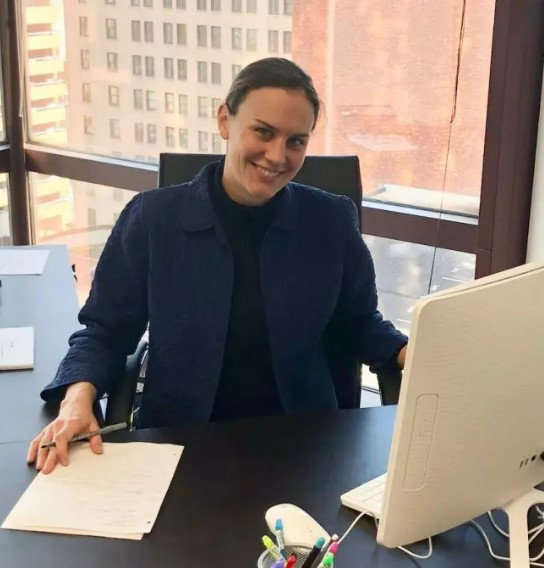
Bolton M. Harris, J.D., is a seasoned attorney with a formidable background in criminal law and a focus on healthcare law and compliance. As the in-house legal counsel at Medical Director Co., Harris brings a unique blend of prosecutorial experience and regulatory expertise to support healthcare professionals across Texas. Her career spans roles as a prosecutor in multiple counties and now as a trusted advisor on the legal intricacies of medical practice operations.
Education & Early Career
Bolton Harris completed her undergraduate studies at Southern Methodist University (SMU) in 2013. During her time at SMU, she was not only a dedicated student but also a competitive athlete on the university’s women’s swimming team. She went on to earn her Juris Doctor from Texas A&M University School of Law in 2016 and became a member of the Texas Bar that same year. Armed with a strong academic foundation and discipline honed as a student-athlete, Harris embarked on a career in criminal law immediately after law school.
Prosecutorial Experience in Texas
Bolton Harris began her legal career in public service as a criminal prosecutor. She served as an Assistant District Attorney in multiple jurisdictions, where she quickly rose through the ranks and handled a broad spectrum of cases. Some highlights of her prosecutorial career include:
- Assistant District Attorney, Dallas County, Texas: Prosecuted a high volume of criminal cases in one of the state’s busiest DA offices, gaining extensive trial experience in both misdemeanor and felony courts.
- Assistant District Attorney, Ellis County, Texas: Continued to hone her courtroom advocacy skills, known for meticulous case preparation and a tenacious pursuit of justice on behalf of the community.
- Assistant District Attorney, Navarro County, Texas: Broadened her legal expertise by handling diverse criminal matters in a smaller county, working closely with law enforcement and community leaders to uphold the law.
Through these roles, Harris built a reputation for being a tough but fair advocate. She brought numerous cases to trial and developed an in-depth understanding of the criminal justice system. This distinguished prosecutorial background laid a strong foundation for the next phase of her career in the private sector.
Healthcare Law & Compliance at Medical Director Co.
After her tenure as a prosecutor, Harris shifted her focus to healthcare law, applying her legal acumen to the medical field. She recognized that the same attention to detail and tenacity that served her in criminal law could benefit healthcare providers navigating complex regulations. Embracing this new direction, Harris became well-versed in the intricate laws governing medical practices – from licensing requirements to patient safety and privacy standards – and is passionate about helping practitioners stay compliant.
In her current role as the in-house attorney for Medical Director Co., Bolton Harris oversees all legal and compliance matters for the organization and its clients. Medical Director Co. is a nurse-owned firm that connects nurse practitioners (NPs), physician assistants (PAs), and registered nurses with qualified medical directors and collaborating physicians, offering fast placements and comprehensive compliance support for healthcare practices. Harris ensures that each of these partnerships and clinical ventures adheres to all applicable state and federal laws. She is responsible for drafting and reviewing collaborative practice agreements, advising on regulatory requirements, and providing ongoing legal counsel as clients establish and grow their clinics. Drawing on her prosecutorial eye for risk management, Harris proactively identifies potential legal issues and addresses them before they escalate, giving healthcare professionals peace of mind.
Bolton M. Harris’s multifaceted expertise – spanning high-stakes courtroom litigation to detailed healthcare compliance – makes her a formidable legal ally. Whether advocating in front of a jury or guiding a medical practice through regulatory hurdles, she remains committed to the highest standards of the legal profession. Her blend of courtroom-tested skill and healthcare law knowledge ensures that clients of Medical Director Co. receive elite-level counsel and steadfast protection in an ever-evolving legal landscape.