

Executive Summary
- New York remains one of the most highly regulated states for medical spas and aesthetic practices. Only a New York–licensed physician (MD/DO) may serve as a medical director or hold ultimate authority over medical services. The state enforces a strict Corporate Practice of Medicine (CPOM) prohibition under Education Law §6522, which prevents non-physicians or management companies from owning, controlling, or influencing the delivery of medical care.
- Medspas must operate through a physician-owned Professional Service Corporation (PC) or Professional Limited Liability Company (PLLC) authorized by the New York State Education Department (NYSED). A separate Management Services Organization (MSO) may manage administrative operations—such as billing, staffing, or marketing—but it must not interfere with clinical policy, provider supervision, or medical records.
- Physicians may delegate certain medical acts to Nurse Practitioners (NPs), Physician Assistants (PAs), and Registered Nurses (RNs) in accordance with Education Law, 10 NYCRR §94.2, and Regents Rules Part 29. NPs with Full Practice Authority (FPA)—after 3,600 supervised hours—may practice independently within their scope, while PAs must operate under written supervision agreements. RNs may perform injections and IV therapy under physician or NP orders, but estheticians and cosmetologists are strictly prohibited from performing medical procedures such as injectables or laser treatments.
- Lasers, IPL, and RF devices are considered medical when used on living tissue and may only be operated by licensed clinicians under physician oversight. Telehealth is permitted for licensed providers who meet the same standard of care as in-person treatment and comply with e-prescribing and PMP/iSTOP rules for controlled substances.
- To remain compliant, New York medspas must maintain clear governance and documentation: corporate structure records, NP/PA agreements, device training logs, informed consents, and a robust Quality Assurance (QA) program. Advertising must accurately represent licensure and supervision; misleading claims or use of titles by non-physicians constitute professional misconduct under Education Law §6530(27).
- In summary, successful compliance in New York means physician-led governance, lawful delegation, documented oversight, and transparent patient representation—demonstrating a continuous commitment to safety, accountability, and regulatory integrity.
The New York Quick Compliance Checklist (2025)
All clinical services must be delivered through a physician-owned Professional Service Corporation (PC) or Professional Limited Liability Company (PLLC) authorized by the New York State Education Department (NYSED).
A Management Services Organization (MSO) may handle business functions (space, staffing, billing, marketing) but may not control clinical decision-making, hire clinical staff, or influence medical records. Doing so violates New York’s Corporate Practice of Medicine (CPOM) prohibition under Education Law §6522.
The Medical Director must hold an active, unrestricted New York MD or DO license in good standing, as verified through the NYSED Office of the Professions License Lookup.
They must have training and experience relevant to the procedures offered (e.g., injectables, lasers, IV therapy) and demonstrate the ability to supervise, delegate, and review clinical work consistent with Regents Rules Part 29 (Professional Conduct & Supervision).
- Nurse Practitioners (NPs):
Qualified NPs may practice independently under Full Practice Authority (FPA) if they have completed at least 3,600 hours of qualifying clinical experience, per Education Law §6902(3)(b-1). Those not yet meeting this threshold must maintain a collaborative relationship with a physician. Even under FPA, NPs must comply with scope-of-practice, PMP (iSTOP), and prescribing standards. - Physician Assistants (PAs):
PAs must practice under continuous physician supervision, as required by 10 NYCRR §94.2. Supervision may be remote (not on-site) if there is ongoing communication and chart review. A written practice agreement must define delegated duties, prescribing authority, communication methods, and quality review expectations. - Registered Nurses (RNs):
RNs may perform injections and IV therapy only under medical orders or standing protocols from a licensed prescriber. They cannot independently diagnose, prescribe, or initiate medical treatments. See Education Law Article 139 – Nursing. - Estheticians/Cosmetologists:
Unlicensed individuals (including estheticians or cosmetologists) may not inject, perform laser/IPL treatments, or deliver medical aesthetic services, as these constitute the practice of medicine under New York Education Law §6521.
Scope of Practice Mapping
Maintain a written scope matrix assigning each service (injectables, laser/IPL/RF, IV therapy, microneedling) to the appropriate license type and supervision level.
The matrix must include:
- Authorized procedures by license category (MD, NP, PA, RN)
- Required training or certification
- Direct-observation sign-offs and renewal cadence
This ensures alignment with NYSED Title VIII – The Professions.
Informed Consent & Protocols
Maintain procedure-specific consent forms and protocols covering Botox®, fillers, biostimulators, microneedling, lasers, peels, threads, and IV therapy.
Each protocol should include:
- Indications/contraindications
- Dosing and safety parameters
- Chain-of-custody for products and devices
- Documentation templates and photography policy
- Emergency procedures for anaphylaxis, vascular occlusion, and device-related injuries
Required under 8 NYCRR Part 29 – Recordkeeping and Documentation.
Laser & Energy Device Compliance
Lasers, IPL, and RF devices are considered medical devices when used on living tissue. Only licensed physicians, NPs, PAs, or RNs may operate them under a physician’s authority and within their respective scopes. Maintain documentation of operator training, safety/eyewear policies, test-spot logs, and device maintenance records to satisfy NYSED’s professional conduct requirements (Part 29 – Unprofessional Conduct).
Estheticians and cosmetologists cannot legally operate medical lasers in New York.
Marketing & Representation
Advertising must be truthful, non-deceptive, and accurately reflect licensure and supervision.
Prohibited practices include:
- Suggesting unlicensed individuals provide medical services
- Misstating credentials or using misleading titles (e.g., “Doctor,” “Medical Director” by non-physicians)
- Guaranteeing or overstating results
Such conduct may constitute professional misconduct under Education Law §6530(27).
Quality Assurance (QA)
Implement a documented QA program including:
- Regular chart reviews and QA meetings
- Competency assessments for injectors and device operators
- Incident logs with investigation and remediation notes
- Training refreshers and protocol updates when new procedures (e.g., RF microneedling, PDO threads, GLP-1s) are added
Absence of documented QA can constitute failure to supervise under 8 NYCRR §29.1(a)(9).
Who Can Be a Medical Director in New York
Only a New York–licensed MD or DO in good standing may serve as a medical director. The physician must demonstrate competence in the services offered, maintain active oversight of staff, and be available for consultation. Specialty is less important than ongoing supervision and quality assurance. Inadequate oversight constitutes unprofessional conduct under Regents Rules Part 29. Licensure and disciplinary status can be verified through the NYSED License Lookup.
Corporate Practice of Medicine (CPOM) in New York
New York enforces strict CPOM rules—only physicians may own or control medical practices. Clinical decisions must remain under a physician-owned PC or PLLC, while non-physician MSOs may handle only business functions. Influencing clinical care or fee-splitting violates Education Law §§6522 and 6530(19) and can trigger NYSED discipline. MSO contracts must state that physicians retain full authority over patient care.
Delegation & Supervision in a New York Medspa (2025)
Nurse Practitioners (NPs):
Physician Assistants (PAs):
Registered Nurses (RNs):
Practical Tips for Compliance in New York Medspas (2025)
- Maintain Current Agreements: Keep NP collaborative agreements (if under 3,600 hours) and PA supervisory agreements signed, dated, and accessible. Failure to produce these upon request may constitute unprofessional conduct under Regents Rules Part 29.
- RN Protocols: Ensure RNs operate only under physician or NP orders per Education Law §6902 and do not independently diagnose or prescribe.
- No Delegation to Estheticians: Never allow estheticians or unlicensed staff to perform injectables, lasers, or IPL—these are medical procedures restricted to licensed clinicians under Education Law §6521.
- Document QA Activities: Save QA meeting minutes, chart-review logs, and remediation records to prove ongoing physician oversight and compliance with professional conduct standards.
- Truthful Advertising: Ensure advertising accurately reflects licensure and supervision. Misleading claims or use of medical titles by non-physicians violate Education Law §6530(27) and may result in disciplinary action.
Injectables & Devices: New York Standards
Injectables (Botox®, Fillers, Biostimulators)
These are classified as medical procedures under Education Law §6521 – Practice of Medicine. They must be ordered or supervised by a licensed physician (MD/DO) or authorized NP/PA and administered only by appropriately licensed medical staff (e.g., RN, NP, PA) acting within their scope. Delegating injectables to estheticians or unlicensed individuals constitutes unprofessional conduct under Regents Rules Part 29.
Lasers & Energy Devices
Use of lasers, IPL, or RF devices that affect living tissue is considered medical treatment. Only MDs, DOs, NPs, PAs, or RNs may perform these procedures, with physician oversight and written protocols defining safety standards, energy settings, and supervision levels. Clinics must maintain operator training records, test-spot documentation, and maintenance/service logs to demonstrate compliance with NYSED Part 29 – Professional Conduct Standards.
IV Therapy
All IV infusions or vitamin therapies require physician orders or standing protocols under Education Law §6902 for nursing practice. Clinics should maintain emergency kits, crash-cart inventories, and documented emergency preparedness drills (e.g., for anaphylaxis or extravasation), as required by Regents Rules Part 29 to ensure patient safety and adequate supervision.
Telehealth in New York (2025)
- Entity & Governance Documents:
Maintain PC or PLLC incorporation papers showing physician ownership and control of medical decisions. Include MSO contracts that clearly limit management functions to non-clinical operations (e.g., billing, staffing, marketing) to comply with CPOM restrictions. - Delegation & Supervision Files:
Keep NP collaborative agreements or relationship documentation, PA supervisory agreements, and RN delegation protocols current, signed, and stored for quick access during inspections. - Licensure & Registration Records:
Maintain copies of all active MD/DO, NP, PA, and RN licenses, plus DEA registrations for any prescriber handling controlled substances. Verify renewals annually and keep credential verification logs. - Device & Procedure Documentation:
Retain operator training certificates, competency assessments, calibration and maintenance records, and safety policies for each device (lasers, IPL, RF, microneedling units). - Quality Assurance (QA) Evidence:
Document QA meeting minutes, chart-review summaries, and incident logs with corrective actions to demonstrate active supervision and compliance with professional conduct standards. - Marketing & Advertising Compliance Files:
Keep an archive of approved marketing materials, social media content, and disclaimers showing compliance with truth-in-advertising rules and proper representation of licensure and supervision.
Common Mistakes in New York Medspas (2025)
- Allowing estheticians to perform medical procedures:
Injectables, lasers, microneedling, and similar treatments are considered medical acts that must be performed only by licensed medical professionals (MD, DO, NP, PA, or RN) under proper supervision. Allowing estheticians or unlicensed staff to perform these violates New York’s practice-of-medicine laws. - Missing NP collaborative agreements:
Nurse Practitioners with fewer than 3,600 hours of qualifying practice must maintain a written collaborative agreement with a supervising physician. Missing or unsigned documents can be cited as unprofessional conduct. - PAs practicing without written supervisory agreement:
Every Physician Assistant must have a written supervisory agreement outlining delegated duties, prescribing authority, and supervision methods. Lack of documentation or ongoing oversight is a regulatory red flag. - Marketing that misrepresents roles:
Advertising or websites that imply non-physicians are medical directors or independent providers mislead the public and can lead to disciplinary action for professional misconduct. - No QA documentation:
Failure to keep chart-review logs, QA meeting minutes, and incident reports undermines proof of supervision and quality control, exposing the practice and medical director to compliance risk.
30/60/90 Day Implementation Plan
Days 1–30: Foundation
- Confirm physician-owned entity and MSO contract.
- Inventory licenses, NP/PA agreements.
- Draft protocols and consent forms.
Days 31–60: QA in Motion
- Start chart reviews and QA meetings.
- Mock inspection against Education Law standards.
- Marketing review for compliance.
Days 61–90: Risk Hardening & Growth
- Direct-observation sign-offs for injectors and device operators.
- Update protocols for new services.
- Ensure record access for regulatory audits.
FAQs
Can a non-physician own a medspa in New York?
No. Non-physicians may run an MSO, but physicians must own the clinical practice.
Can estheticians inject Botox® or use lasers?
No. These are medical procedures restricted to licensed professionals.
Do NPs need collaborative agreements?
Are PAs independent in New York?
No. They must have a written supervisory agreement with a physician.
Is telehealth allowed for aesthetics?
Yes, but providers must hold a New York license and comply with the same standards as in-person practice.
How Medical Director Co. Supports New York Medspas (2025)
Running a compliant medspa in New York means proving real physician oversight—not just paperwork. Medical Director Co. helps clinics align with NYSED, Education Law, and Regents Rules through:
- New York–licensed physicians experienced in aesthetics, telehealth, and weight management who provide active medical direction and compliance leadership.
- Turnkey NP collaborative agreements and PA supervisory templates built around New York’s Full Practice Authority, Education Law §6902, and 10 NYCRR §94.2 supervision standards.
- Sustainable QA frameworks including chart-review templates, meeting agendas, incident logs, and audit-ready documentation that demonstrate ongoing oversight and accountability.
- Procedure and device protocol packages for injectables, lasers, and IV therapy—complete with safety checklists, competency forms, and maintenance logs aligned with NYSED Part 29 expectations.
- MSO contract review to confirm separation of clinical and business authority and prevent CPOM violations under Education Law §§6522 and 6530(19).
- Regulatory monitoring that tracks new guidance from the Board of Medicine, NYSED, and Department of Health, including telehealth and prescribing updates, with proactive recommendations for compliance.
Find a New York Medical Director with Medical Director Co.
Serving clinics across:
New York Resources to Bookmark (2025)
- NYSED Office of the Professions – Physicians (Laws, Rules & Practice Guidance):
https://www.op.nysed.gov/professions/physicians - NYSED Office of the Professions – Nursing (NP Practice & Full Practice Authority):
https://www.op.nysed.gov/professions/nursing/nurse-practitioner - NYSED Office of the Professions – Physician Assistants (Supervision & Delegation):
https://www.op.nysed.gov/professions/physician-assistant - 10 NYCRR §94.2 – PA Supervision (Continuous, Not Necessarily On-Site):
https://www.law.cornell.edu/regulations/new-york/10-NYCRR-94.2 - NYSDOH – Medicaid Telehealth Provider Manual (Telehealth Standards & Billing Rules):
https://www.health.ny.gov/health_care/medicaid/redesign/telehealth/docs/provider_manual.pdf - NYSDOH – Mandatory Electronic Prescribing (e-Rx) & PMP/iSTOP Program:
https://www.health.ny.gov/professionals/narcotic/electronic_prescribing/ - NYSED – Regents Rules Part 29 (Unprofessional Conduct Standards):
https://www.op.nysed.gov/title8/rules-board-regents/part-29

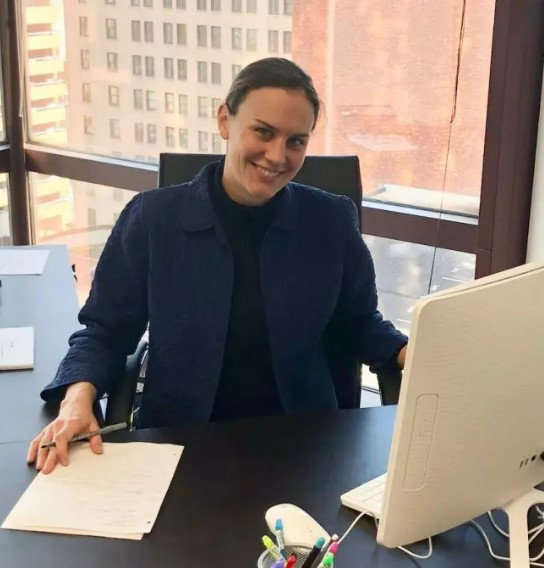
Bolton M. Harris, J.D., is a seasoned attorney with a formidable background in criminal law and a focus on healthcare law and compliance. As the in-house legal counsel at Medical Director Co., Harris brings a unique blend of prosecutorial experience and regulatory expertise to support healthcare professionals across Texas. Her career spans roles as a prosecutor in multiple counties and now as a trusted advisor on the legal intricacies of medical practice operations.
Education & Early Career
Bolton Harris completed her undergraduate studies at Southern Methodist University (SMU) in 2013. During her time at SMU, she was not only a dedicated student but also a competitive athlete on the university’s women’s swimming team. She went on to earn her Juris Doctor from Texas A&M University School of Law in 2016 and became a member of the Texas Bar that same year. Armed with a strong academic foundation and discipline honed as a student-athlete, Harris embarked on a career in criminal law immediately after law school.
Prosecutorial Experience in Texas
Bolton Harris began her legal career in public service as a criminal prosecutor. She served as an Assistant District Attorney in multiple jurisdictions, where she quickly rose through the ranks and handled a broad spectrum of cases. Some highlights of her prosecutorial career include:
- Assistant District Attorney, Dallas County, Texas: Prosecuted a high volume of criminal cases in one of the state’s busiest DA offices, gaining extensive trial experience in both misdemeanor and felony courts.
- Assistant District Attorney, Ellis County, Texas: Continued to hone her courtroom advocacy skills, known for meticulous case preparation and a tenacious pursuit of justice on behalf of the community.
- Assistant District Attorney, Navarro County, Texas: Broadened her legal expertise by handling diverse criminal matters in a smaller county, working closely with law enforcement and community leaders to uphold the law.
Through these roles, Harris built a reputation for being a tough but fair advocate. She brought numerous cases to trial and developed an in-depth understanding of the criminal justice system. This distinguished prosecutorial background laid a strong foundation for the next phase of her career in the private sector.
Healthcare Law & Compliance at Medical Director Co.
After her tenure as a prosecutor, Harris shifted her focus to healthcare law, applying her legal acumen to the medical field. She recognized that the same attention to detail and tenacity that served her in criminal law could benefit healthcare providers navigating complex regulations. Embracing this new direction, Harris became well-versed in the intricate laws governing medical practices – from licensing requirements to patient safety and privacy standards – and is passionate about helping practitioners stay compliant.
In her current role as the in-house attorney for Medical Director Co., Bolton Harris oversees all legal and compliance matters for the organization and its clients. Medical Director Co. is a nurse-owned firm that connects nurse practitioners (NPs), physician assistants (PAs), and registered nurses with qualified medical directors and collaborating physicians, offering fast placements and comprehensive compliance support for healthcare practices. Harris ensures that each of these partnerships and clinical ventures adheres to all applicable state and federal laws. She is responsible for drafting and reviewing collaborative practice agreements, advising on regulatory requirements, and providing ongoing legal counsel as clients establish and grow their clinics. Drawing on her prosecutorial eye for risk management, Harris proactively identifies potential legal issues and addresses them before they escalate, giving healthcare professionals peace of mind.
Bolton M. Harris’s multifaceted expertise – spanning high-stakes courtroom litigation to detailed healthcare compliance – makes her a formidable legal ally. Whether advocating in front of a jury or guiding a medical practice through regulatory hurdles, she remains committed to the highest standards of the legal profession. Her blend of courtroom-tested skill and healthcare law knowledge ensures that clients of Medical Director Co. receive elite-level counsel and steadfast protection in an ever-evolving legal landscape.
