Medical Director and Collaborating Physician for Botox Administration in Illinois (Requirements, Costs & Compliance)
Illinois regulates Botox and other aesthetic medical services under established physician oversight and delegation rules. Clinics offering Botox injections, dermal fillers, IV therapy, PRP treatments, laser procedures, and similar services must follow requirements enforced by the Illinois Department of Financial and Professional Regulation and the Illinois Medical Practice Act. Since Botox is a prescription drug, its administration falls under medical practice laws rather than standard cosmetic or spa service regulations.
In many Illinois med spa settings, physician supervision is required when non-physician providers perform injectable treatments. Depending on the clinic structure and provider licenses involved, oversight may come from a medical director, a collaborating physician, or both. These responsibilities often include reviewing protocols, supporting compliance with delegation, overseeing prescribing practices, and helping clinics maintain proper patient documentation.
Medical Director Co. helps Illinois aesthetic clinics secure compliant physician oversight for Botox and related aesthetic services. Plans start at $799 per month and may include supervisory agreements, malpractice verification, protocol review, and ongoing compliance support for med spas, wellness clinics, and aesthetic practices.
Medical Director Co.
Challenges in Finding a Botox Medical Director or Collaborating Physician in Illinois
Many Botox clinics in Illinois need physician oversight to operate compliantly, but finding a qualified medical director or collaborating physician is often more difficult than practice owners expect. Several factors contribute to the shortage of available physicians for Botox oversight in Illinois:
- High demand driven by regulatory oversight: Many aesthetic clinics require physician involvement for Botox and injectable services. As more med spas open throughout Illinois, competition for experienced supervising physicians continues to grow.
- Physician liability concerns: Physicians who oversee delegated Botox injections may still carry professional responsibility for patient care, treatment protocols, and supervision standards. Some physicians avoid these arrangements because of malpractice exposure and compliance risks.
- Limited number of physicians with aesthetic experience: Not every physician has experience with injectables or cosmetic medicine. Some are unfamiliar with Botox workflows, while others prefer not to supervise aesthetic procedures outside their primary specialty.
- Remote supervision still requires active participation: Illinois physicians cannot simply lend out their license with minimal involvement. Oversight usually requires chart reviews, protocol development, delegation management, and ongoing communication with clinic staff.
- Credentialing and onboarding delays: Setting up a compliant oversight relationship can take time. Clinics often need supervisory agreements, malpractice verification, treatment protocols, and operational reviews before services begin.
- Availability gaps in rural and underserved areas: Clinics located outside Chicago and other major metro areas may have fewer physician candidates nearby. This can slow expansion plans for med spas in smaller Illinois communities.
- Many physicians prefer clinical practice over oversight work: Oversight responsibilities involve documentation, compliance management, staff coordination, and regulatory familiarity. Some physicians prefer direct patient care rather than administrative supervision roles tied to aesthetic practices.
Because of these challenges, many Illinois clinics use structured physician networks or compliance-focused matching services such as Medical Director Co. to help secure qualified medical directors and collaborating physicians for Botox administration and related aesthetic services.
Quick Answer
Do You Need a Medical Director or Collaborating Physician for Botox in Illinois?
Yes. Botox is a prescription drug under Illinois law, which means its administration involves medical judgment and falls under physician oversight requirements enforced by the IDFPR. Non-physician providers, including registered nurses and advanced practice nurses, must operate under a delegating or collaborating physician to legally administer Botox and related injectables.
The specific structure, whether a medical director or collaborating physician, depends on your practice type, your provider’s license, and how your services are delivered. Either way, the physician relationship must be active and documented. Operating without proper oversight puts your clinic at risk of disciplinary action, fines, and potential license revocation under the Illinois Medical Practice Act.
Medical Director Co.
Why Illinois Requires a Medical Director or Collaborating Physician for Botox
Illinois regulates Botox administration under the Illinois Medical Practice Act because Botox is a prescription medication that involves medical judgment, patient evaluation, and clinical decision-making. In Illinois, non-physicians generally cannot practice medicine independently. That becomes especially important in med spas and aesthetic clinics where nurses or other licensed providers perform injectable treatments under delegated authority.
Botox injections may qualify as the practice of medicine because they involve prescribing, assessing contraindications, managing complications, and determining appropriate treatment plans. For that reason, Illinois often requires physician oversight through a medical director, collaborating physician, or supervising physician arrangement, depending on the provider type and clinic structure.
Many Illinois clinics work with compliance-focused physician matching companies such as Medical Director Co. to establish structured oversight relationships that align with state requirements.
What Counts as the Practice of Medicine in Illinois?
In Illinois, the following aesthetic and wellness services may fall under the practice of medicine when they involve prescription drugs, invasive procedures, or medical decision-making:
- Botox injections
- Dermal fillers
- PRP treatments
- IV therapy
- Prescription skincare programs
- Laser procedures
If a treatment involves prescription medications, patient assessment, delegation, or clinical judgment, physician oversight is generally required under Illinois medical regulations.
What Does a Medical Director or Collaborating Physician Do for an Illinois Botox Clinic?
A medical director or collaborating physician helps oversee the clinical and regulatory side of Botox services in an Illinois med spa or aesthetic clinic. In Illinois, this is not meant to be a name-only arrangement. Physician oversight usually requires active involvement in how medical aesthetic services are delivered, documented, and supervised within the practice.
Clinical Oversight Responsibilities
A medical director or collaborating physician may oversee several clinical functions within a Botox clinic, including:
- Written treatment protocols for Botox and other injectable services
- Delegation rules that define which providers can perform specific treatments
- Patient evaluation standards before treatment begins
- Chart review systems to monitor documentation and clinical quality
- Injector training oversight and competency expectations
- Procedures for handling complications or adverse reactions
Even when injections are delegated to licensed nurses or other providers, the supervising physician may still retain ultimate responsibility for medical oversight and compliance.
Regulatory Compliance Oversight
Illinois Botox clinics must comply with rules enforced by the Illinois Department of Financial and Professional Regulation and the Illinois Medical Practice Act. A medical director or collaborating physician may help clinics maintain compliance with:
- Delegation and supervision requirements for RNs, NPs, and PAs
- Medical record and documentation standards
- Prescription and protocol oversight
- HIPAA privacy and patient record requirements
- State expectations surrounding physician supervision and scope of practice
Proper oversight helps clinics maintain consistent operational standards while reducing compliance risks tied to medical aesthetic services.
Risk Management & Liability Protection
Botox clinics face legal and financial exposure when supervision standards are weak or poorly documented. A medical director or collaborating physician may help reduce liability by reviewing protocols, monitoring delegation practices, supporting adverse event response procedures, and confirming that malpractice coverage aligns with the services offered.
Oversight also involves updating protocols as regulations, treatment methods, or clinic services change over time. When physician supervision is limited or inconsistent, clinics may face a higher risk during patient complaints, insurance disputes, audits, or regulatory investigations.
Illinois Medical Director Requirements for Botox
Illinois Botox clinics must follow specific licensing, delegation, and supervision standards when offering injectable aesthetic services. These requirements are tied to physician oversight, provider scope of practice, and compliance obligations under state medical regulations.
Licensed Illinois Physician Requirement
A Botox medical director or collaborating physician in Illinois must hold an active Illinois physician license and remain in good standing with the state. Physicians with suspended, restricted, or expired licenses cannot legally provide oversight for Botox clinics or med spas.
Out-of-state physicians are not exempt from Illinois licensing requirements. Even if a physician supervises remotely, they generally must still hold a valid Illinois medical license to oversee Botox administration within the state.
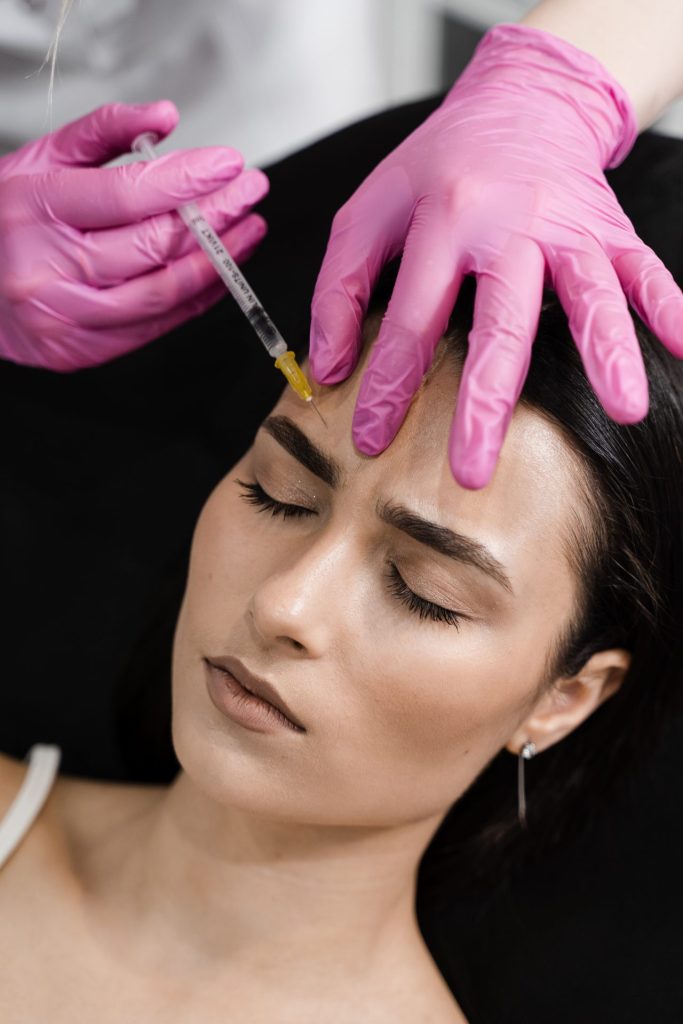
Delegation Rules in Illinois
Botox delegation in Illinois must follow the Illinois Medical Practice Act and applicable supervision rules tied to each provider license type. Delegation standards are not identical for registered nurses (RNs), nurse practitioners (NPs), and physician assistants (PAs).
For example, some providers may require formal collaborative or supervisory relationships before performing certain medical aesthetic procedures. Botox injections are a common compliance risk because clinics sometimes assume all licensed medical staff can perform injectables independently. In reality, delegation authority, supervision expectations, and prescribing responsibilities may differ based on the provider’s credentials and the clinic structure.
Supervision Requirements (On-Site vs Remote)
Illinois may allow remote physician supervision in certain Botox practice settings, but oversight still requires active physician involvement. A supervising physician generally must remain available for consultation, support, protocol oversight, and complication management when delegated treatments are being performed.
Clinics should also maintain documentation showing how physician oversight is handled in daily operations. This may include written protocols, supervisory agreements, chart review procedures, and communication systems between providers and supervising physicians.
Common Compliance Mistakes in Illinois Botox Clinics
Illinois Botox clinics can run into regulatory problems when supervision, delegation, and documentation standards are poorly managed. The following mistakes are among the most common issues seen in Illinois med spas and aesthetic practices:
Using a name-only medical director
Some clinics list a physician on paper without meaningful involvement in clinic operations. Illinois physician oversight generally requires active participation, not just the use of a physician’s name or license.
Improper delegation of Botox injections
Delegating injectable treatments without following Illinois supervision requirements can create compliance risks. Rules may differ for RNs, NPs, and PAs, especially when prescription medications and medical judgment are involved.
Operating without written treatment protocols
Clinics that lack documented Botox protocols may struggle to maintain consistent treatment standards, patient screening procedures, and complication response processes.
Inadequate chart review and oversight systems
Some clinics fail to establish regular chart review procedures or physician documentation practices. Weak oversight records can become a problem during audits, investigations, or malpractice disputes.
Using out-of-state physicians without an Illinois license
A physician supervising Botox services in Illinois generally must hold an active Illinois medical license, even when oversight occurs remotely.
Poor patient documentation practices
Missing consent forms, incomplete treatment notes, or weak recordkeeping can create legal and regulatory exposure for aesthetic clinics.
Improper financial or ownership structures
Illinois corporate practice of medicine rules may affect how med spas structure ownership, management, and physician compensation arrangements. Clinics that overlook these requirements may face additional compliance concerns.
Can a Botox Medical Director or Collaborating Physician Be Remote in Illinois?
In some Illinois Botox clinic settings, a medical director or collaborating physician may provide remote oversight instead of working on-site full-time. However, remote supervision still requires active physician involvement. The physician generally must remain available for consultation, oversee delegated services, review protocols, and support complication management when needed.
Remote oversight may also include chart review, documentation monitoring, injector supervision, and updates to treatment protocols. Illinois regulators typically look at the physician’s actual involvement rather than whether they are physically present in the clinic every day.
Clinics that use remote supervision should maintain clear records showing how oversight is handled. Many Illinois med spas work with companies such as Medical Director Co. to help establish structured physician oversight and compliance documentation.
How Much Does a Botox Medical Director Cost in Illinois?
Botox medical director and collaborating physician costs in Illinois are usually structured as monthly retainers. Some physicians charge per clinic location, while others adjust pricing based on the number of injectors, treatment volume, or the level of supervision required. Additional services such as injector training oversight, protocol development, chart review, and compliance support may increase monthly costs.
Pricing can also vary depending on the clinic’s risk profile and the types of services offered. A med spa providing Botox alone may have different oversight needs than a practice offering fillers, PRP, IV therapy, and laser treatments under one roof.
Medical Director Co. plans start at $799 per month and include:
- Collaboration and supervision agreements
- Prescriptive authority documentation
- Malpractice verification and compliance review
- Flexible terms with no setup fees or long-term commitments
Who Can Own a Botox Clinic in Illinois?
Illinois Botox clinics must consider corporate practice of medicine rules when structuring ownership and operations. In general, non-physicians may hold ownership interests in certain business entities connected to a med spa or aesthetic clinic, but they cannot independently practice medicine or control medical decision-making.
Because Botox involves prescription medications and medical judgment, physician oversight remains an important part of clinic operations.
Many Illinois aesthetic businesses use a Management Services Organization (MSO) structure to separate clinical oversight from non-clinical business operations. In this type of arrangement, the physician or medical entity manages medical services, while the MSO handles administrative functions such as:
- Marketing
- Staffing support
- Billing and operations
- Office management
- Technology and scheduling
Clinics should also be careful about fee-splitting arrangements and compensation structures tied to medical services. Improper agreements between physicians and non-physician owners may create compliance concerns under Illinois healthcare regulations.
Thus, before you open or restructure your clinic, consult with a healthcare attorney who understands Illinois law to review ownership, management, and supervision arrangements.
Penalties for Operating Without Proper Oversight
Illinois Botox clinics that operate without appropriate physician oversight may face several types of legal and financial consequences, such as:
Administrative penalties
State regulators may investigate clinics that fail to follow supervision, delegation, or licensing requirements. Penalties can include fines, disciplinary action, restrictions on practice operations, or license-related consequences for involved providers.
Civil liability
Clinics may face lawsuits if a patient experiences complications tied to improper supervision, poor documentation, or unauthorized medical treatment. Weak oversight arrangements can also increase exposure to malpractice claims.
Insurance denial
Some malpractice carriers may deny coverage for claims connected to noncompliant Botox services or improperly delegated medical procedures. Coverage disputes may also arise if supervision responsibilities were unclear or undocumented.
Criminal exposure (rare)
In certain situations, knowingly operating outside Illinois medical practice laws may create criminal risk. While less common, cases involving fraud, unlicensed medical practice, or intentional regulatory violations may receive additional scrutiny.
How to Hire the Right Botox Medical Director or Collaborating Physician in Illinois
Here are the key things to verify before bringing a physician on board:
Verify their Illinois license
Confirm the physician holds an active, unrestricted license issued by the state of Illinois. You can check license status directly through the IDFPR public license lookup.
Review their disciplinary history:
A clean license is not the same as a clean record. Check the IDFPR database for any disciplinary actions, consent orders, or prior violations. A physician with unresolved regulatory history is a liability, not a solution.
Confirm their aesthetic experience
A physician who has never worked with injectables is not well-positioned to write Botox protocols or oversee complication management. Look for someone with direct experience in aesthetic medicine or a demonstrated willingness to learn the clinical specifics of the services you offer.
Require written protocols before you start
Written, physician-approved protocols for every service you offer are non-negotiable. If the physician is not prepared to develop and document those from the start, the arrangement is already incomplete.
Confirm malpractice insurance coverage
The physician’s malpractice policy needs to cover the oversight role, not just their personal clinical practice. Verify this in writing before the agreement goes into effect.
Avoid name-only arrangements
If a physician is not prepared to review charts, stay accessible, and engage with your clinic’s operations on a regular basis, the arrangement will not hold up under IDFPR scrutiny. Active involvement is a requirement, not a preference.
Vetting a physician independently takes time, and not every clinic has the resources or connections to do it well. Medical Director Co. provides access to Illinois-licensed physicians who are already credentialed, compliance-trained, and prepared to take on active medical director and collaborating physician roles.
Case Study / Success Story

“I’m a nurse practitioner running a med spa in Illinois, and getting our collaborative agreement structured correctly under the Illinois Department of Financial and Professional Regulation was something I could not figure out on my own. Medical Director Co. connected us with a licensed collaborating physician who understood aesthetic medicine, not just urgent care or primary care. Our safety protocols, scope of practice documentation, and prescriptive authority paperwork were all handled before we opened. We’ve stayed compliant since day one.”

“We relocated our medical spa from another state and underestimated how strict Illinois law is around physician supervision, improper delegation, and the corporate practice of medicine doctrine. Medical Director Co. matched us with a supervising physician who had real clinical experience in injectables. It was someone who could actually write protocols for Botox and anti-aging treatments, not just sign off on them. The collaborative agreement was clean, liability insurance was verified, and we were cleared to inject Botox without any enforcement actions hanging over us.”
Illinois Service Areas
Medical Director Co. provides licensed physician oversight and compliance support for aesthetic clinics and healthcare providers across Illinois, including:
Frequently Asked Questions
Do Botox clinics in Illinois need a medical director?
Yes. Botox is a prescription drug under Illinois law, and its administration requires physician oversight through either a medical director or collaborating physician arrangement that meets IDFPR standards. Operating without that structure puts your clinic at risk of disciplinary action, fines, and potential license suspension.
Is remote supervision allowed in Illinois?
Remote supervision is permitted in Illinois, but the physician must remain genuinely accessible, conduct regular chart reviews, and maintain documented involvement in the clinic’s protocols and operations. The IDFPR evaluates actual physician engagement, not just whether a supervision agreement exists on paper.
Can an NP be a medical director in Illinois?
No. Under the Illinois Medical Practice Act, only licensed physicians may serve as medical directors or hold the supervisory authority required for prescription injectable services. Nurse practitioners in Illinois must practice under a collaboration agreement with a licensed physician, not the other way around.
How often should charts be reviewed?
Illinois does not specify a fixed chart review frequency by statute, but the oversight arrangement must reflect meaningful and regular physician involvement to satisfy IDFPR standards. Most compliance-focused practices schedule chart reviews monthly at a minimum, with additional review when new services are added, or patient volume increases.
Can a non-physician own a Botox clinic in Illinois?
Yes, non-physicians can hold ownership interests in an aesthetic clinic or medical spa in Illinois, but they cannot direct or control clinical decision-making. Many non-physician owners use a Management Services Organization structure to separate business operations from the physician-controlled clinical entity, which helps maintain compliance with Illinois corporate practice of medicine rules.
What happens without proper oversight?
Clinics operating without a properly structured medical director or collaborating physician arrangement face administrative penalties, including license suspension, cease and desist orders, and civil fines from the IDFPR. Beyond regulatory consequences, the absence of documented physician oversight significantly weakens any legal defense if a patient files a malpractice claim.
Does Medical Director Co. provide Illinois medical directors?
Yes. Medical Director Co. connects Illinois aesthetic clinics and medical spas with licensed, compliance-ready physicians for both medical director and collaborating physician roles. Physician matching is typically completed within 12 to 24 hours, and plans start at $799 per month with no setup fees or long-term commitments.
Structuring Botox Oversight in Illinois
Illinois Botox clinics operate within a regulated medical environment where physician oversight, delegation standards, and documentation requirements all carry legal and operational importance. Because Botox is considered a medical procedure involving prescription medication and clinical judgment, clinics must follow applicable supervision and compliance requirements under Illinois law.
If you are ready to get your Illinois aesthetic practice properly structured, Medical Director Co. can connect you with a licensed medical director or collaborating physician who meets state requirements and understands the realities of running an injectable clinic. Physician placement is typically completed within 12 to 24 hours, with plans starting at $799 per month and no long-term commitments required.
and get your Illinois clinic covered.
Hire a Medical Director or
Collaborating Physician Today