

Disclaimer: This material is provided for educational and informational purposes only. It does not constitute legal, medical, or regulatory advice. Requirements and interpretations may vary and change over time. Always verify current rules directly with the Colorado Medical Board, Colorado Board of Nursing, and Colorado State Board of Pharmacy, and seek advice from qualified legal counsel before making decisions or taking action.
Executive Summary
- Medical directors must hold an active Colorado license when overseeing clinical care. Clinics must follow state scope-of-practice laws for physicians, APRNs, and PAs.
- Advanced Practice Registered Nurses (APRNs) in Colorado may practice independently and obtain prescriptive authority through separate credentialing, rather than physician delegation agreements.
- Telehealth services must meet the same standard of care as in-person visits, include patient consent, and use HIPAA-compliant technology.
- Controlled substances used in weight management require DEA compliance and adherence to federal prescribing rules alongside Colorado licensing requirements.
- GLP-1 medications such as semaglutide or tirzepatide are not scheduled controlled substances, but clinics must follow pharmacy regulations, FDA guidance, and appropriate medical evaluation standards.
- Colorado allows non-physician business ownership structures more flexibly than some states, but clinical decision-making must remain within licensed providers’ professional judgment.
- Colorado Medical Board: Oversees physician licensure, professional conduct, prescribing practices, and telehealth standards.
- Colorado Board of Nursing: Regulates APRN scope of practice and prescriptive authority. Colorado is a full practice authority state, allowing qualified nurse practitioners to assess, diagnose, and prescribe within their role.
- Colorado Revised Statutes on Telehealth: State law permits telemedicine without an in-person visit when clinically appropriate, provided services meet the same standard of care as face-to-face treatment and include proper patient consent.
- Colorado Medicaid Telemedicine Rules (10 CCR 2505-10-8.095): Telehealth services must remain within a provider’s scope of practice, follow documentation requirements, and maintain care coordination standards.
Quick Compliance Checklist
Navigating healthcare regulations in Colorado requires careful alignment between ownership structure, clinical oversight, and prescribing rules. A medical director helps ensure the clinic operates within professional scope and state law.
Here’s how compliant weight loss clinics typically structure their operations:
- Professional medical entities must follow Colorado’s Medical Practice Act requirements. Physician-owned professional corporations or PLLCs are commonly used for clinical services, while separate business entities may support administrative functions when structured appropriately.
- Medical director oversight must come from a Colorado-licensed physician in good standing who provides clinical leadership, establishes protocols, and supports quality assurance processes.
- APRNs with full practice authority may prescribe within their scope after obtaining prescriptive authority, while PAs must follow collaboration and supervision requirements established by Colorado law and employer policy.
- Quality assurance should include documented chart reviews, treatment protocol oversight, and ongoing clinical evaluation standards appropriate to obesity medicine or telehealth care delivery.
- Telehealth workflows must meet HIPAA requirements and follow Colorado’s statutory definition of telemedicine, which allows assessment, diagnosis, and treatment through compliant communication technologies.
- Electronic prescribing is required for Schedule II–IV controlled substances unless an approved exception applies, and providers must maintain DEA registration and follow federal prescribing rules.
- Medication sourcing, compounding, and advertising must follow Colorado Board of Pharmacy standards and avoid misleading claims or unsubstantiated medical promises.
The Legal Frame: Professional Ownership and Independent Medical Judgment
Under Colorado law, medical practice structures are designed to protect independent clinical judgment and prevent non-licensed parties from directing patient care. This means:
- Professional medical entities must follow Colorado ownership and licensing requirements, with clinical services delivered by properly licensed healthcare providers operating within their scope of practice.
- Administrative or management organizations may support operations such as staffing, rent, marketing, or billing, but they cannot control diagnoses, treatment decisions, or prescribing practices.
- Licensed clinicians (not business entities) must maintain authority over medical protocols, patient care standards, and clinical workflows.
- Improper ownership structures or allowing non-licensed individuals to control medical decisions can lead to disciplinary action, licensing risks, and contractual and regulatory consequences.
Who Can Be a Medical Director?
A medical director must be a Colorado-licensed physician (MD or DO) in active standing with the Colorado Medical Board. The role focuses on clinical leadership rather than the specialty title alone. Physicians from fields such as family medicine, internal medicine, or psychiatry may serve in this capacity when they are competent in overseeing weight management protocols, prescribing practices, and telehealth workflows.
The medical director’s responsibilities typically include reviewing treatment standards, supervising clinical quality processes, and ensuring care delivery aligns with Colorado’s scope-of-practice rules and professional ethics. Active participation helps demonstrate compliance if reviewed by regulators or insurers.
Delegation and Prescriptive Authority: Documents That Matter
Delegation of Medical Acts (Procedures, Labs, IV Therapy)
- Covered under Colorado Medical Practice Act standards and professional scope rules.
- Delegation must stay within the training, education, and competency of the licensed provider performing the service.
- Physicians remain responsible for establishing protocols for procedures, IV therapy, or diagnostic services performed under their oversight.
- Clinics should maintain written clinical protocols, staff competency documentation, and adverse-event response plans.
Prescriptive Authority Requirements
- Colorado does not rely on physician delegation agreements for nurse practitioners in the same way some states do. Instead, prescriptive authority is regulated directly through Board of Nursing rules.
- APRNs obtain prescriptive authority through state credentialing, including education, national certification, and clinical experience requirements.
- A provisional prescriptive authority period requires a structured mentorship and documented prescribing experience before full authority is granted.
- Prescriptive authority allows APRNs to prescribe medications, including Schedule II–V controlled substances, within their role and population focus.
- Physician Assistants must follow Colorado supervision or collaboration arrangements defined by statute and employer practice structure.
- Written mentorship or collaboration documentation should outline communication expectations, escalation pathways, and prescribing standards.
Delegation Limits
- Colorado does not set a fixed numerical cap on the number of APRNs a physician may mentor or collaborate with.
- APRNs with full practice authority typically practice independently, with consultation available when clinically appropriate rather than required supervision.
Weight Loss Clinics — What Colorado Requires
Who Can Prescribe Weight Loss Medications?
- MD/DO: May prescribe within scope when actively licensed in Colorado.
- APRNs: May prescribe after obtaining state prescriptive authority consistent with their role and training.
- Physician Assistants: May prescribe in accordance with Colorado supervision or collaboration requirements.
- RNs, estheticians, nutritionists, or non-licensed staff: Cannot prescribe medications.
Phentermine (Controlled, Schedule IV)
- Requires active DEA registration and compliance with federal controlled substance rules.
- Colorado mandates electronic prescribing for Schedule II–IV medications unless a statutory exception applies.
- Providers should document clinical rationale, monitoring plans, and individualized treatment decisions.
- Follow-up visits and reassessment help demonstrate appropriate prescribing practices.
GLP-1 Medications (Semaglutide, Tirzepatide, etc.)
- Not federally scheduled controlled substances but still subject to professional standards of care and pharmacy regulation.
- Prescribers must evaluate patient history, contraindications, and ongoing monitoring before initiating therapy.
- Compounded medications must follow FDA and pharmacy board expectations regarding safety and sourcing.
IV Therapy, Supplements, Adjuncts
- Clinical protocols should be reviewed and approved by the supervising physician or medical director.
- Staff administering treatments must maintain competency documentation and follow adverse-event response procedures.
- Emergency preparedness plans, including anaphylaxis management, should be clearly documented.
Advertising Rules
- Marketing must accurately reflect provider credentials and licensure status.
- Clinics should avoid exaggerated or unsubstantiated weight-loss claims.
- Advertising must comply with professional board standards governing truthful healthcare marketing.
Telehealth in Colorado — Compliance Rules
Practitioner–Patient Relationship
- Colorado permits telemedicine without a prior in-person visit when clinically appropriate, as long as the standard of care equals in-person treatment.
- A valid relationship may be established through real-time telehealth encounters rather than questionnaires alone.
- Providers must verify patient identity, obtain consent, and document evaluation findings.
Telehealth Documentation & Prescribing Standards
- Document patient identity, informed consent, clinical assessment, and treatment plan.
- E-prescribing is permitted when consistent with federal and state law and the applicable standard of care.
- Medical records must be securely maintained and accessible for physician oversight and review.
Delegation in Telehealth
- Clinical records must include diagnosis, treatment plan, patient consent, and the telehealth modality used.
- Electronic prescribing rules apply equally to telehealth encounters for controlled substances.
- Secure recordkeeping systems must allow access for quality assurance and chart review.
Delegation in Telehealth
- Mentorship or collaboration documentation should clarify expectations for remote prescribing and escalation procedures.
- Clinics should define workflows for complex cases, medication complications, or behavioral health concerns.
- Medical directors should maintain access to telehealth records for oversight and quality review.
Telehealth Weight Loss Prescribing
- GLP-1 medications may be prescribed through telehealth when the practitioner-patient relationship is valid and clinically appropriate.
- Controlled substance prescribing through telemedicine must follow federal rules governing remote prescribing and evaluation requirements.
- Best practice includes a comprehensive medical assessment and clear follow-up planning before initiating medication therapy.
Psychiatry & Mental Health Clinics
Since many telehealth weight loss programs overlap with behavioral health considerations, including stimulant use risks or medication adherence, similar compliance expectations apply:
- Prescriptive authority must align with provider scope and documented training.
- Quality assurance processes should be strengthened when controlled medications are involved.
- Clinics should maintain clear emergency escalation procedures and referral pathways for psychiatric concerns.
FAQs
Can a nurse practitioner run a weight loss clinic in Colorado?
Can GLP-1 medications be prescribed via telehealth?
Is phentermine prescribing allowed via telemedicine?
Do prescriptive authority or mentorship documents need to list specific drugs?
Psychiatry & Mental Health Clinics
Running a Colorado weight-loss or telehealth clinic requires a structured compliance system. Medical Director Co. supports clinics with:
- Licensed Colorado Physicians: Matched to your clinic’s services, including weight loss, telehealth, psychiatry, med spa, or general practice oversight.
- Clinical Oversight Frameworks: Guidance on mentorship documentation, prescriptive authority compliance, and supervision expectations where applicable.
- Quality Assurance Systems: Chart review workflows, documentation trackers, and clinical governance structures aligned with Colorado professional standards.
- Telehealth Support: Guidance on practitioner-patient relationships, consent documentation, e-prescribing compliance, and secure recordkeeping.
- Drug-Specific Guidance: Controlled vs. non-controlled medication protocols, monitoring practices, and advertising compliance.
- Operational Alignment: Review of ownership and administrative structures to support compliant separation between clinical decisions and business operations.
Areas We Serve
We provide licensed medical directors and compliance support for clinics across Colorado — including major metros:
Who We Serve
We offer Medical Director and Collaborating Physician services for:
- Nurse Practitioners (NPs) – Including mentorship guidance, prescriptive authority compliance, and regulatory oversight support aligned with Colorado practice laws.
- Registered Nurses (RNs) – Oversight for starting medspas, weight loss clinics, or wellness centers through physician-approved protocols.
- Physician Assistants (PAs) – Supervision structures, protocol evaluation, and compliance support based on Colorado collaboration standards.
- Estheticians in Medical Spas – Physician-approved treatment protocols that support safe and compliant aesthetic services.
ColoradoResources and References
- Colorado Medical Board — Physician Practice Act & Professional Standards
- Colorado Board of Nursing — APRN Prescriptive Authority Rules
- Colorado Revised Statutes §12-255-112 — Prescriptive Authority
- Colorado Division of Professions and Occupations — Licensing & Compliance Guidance
- Know Your Health-Care Practitioner Act (Advertising & Identification Rules)

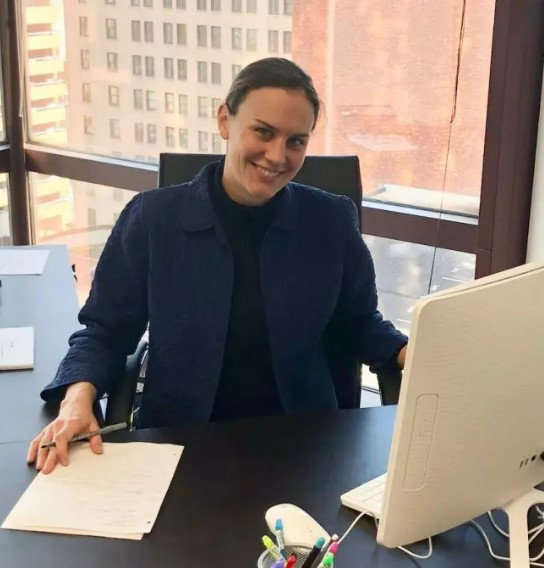
Bolton M. Harris, J.D., is a seasoned attorney with a formidable background in criminal law and a focus on healthcare law and compliance. As the in-house legal counsel at Medical Director Co., Harris brings a unique blend of prosecutorial experience and regulatory expertise to support healthcare professionals across Texas. Her career spans roles as a prosecutor in multiple counties and now as a trusted advisor on the legal intricacies of medical practice operations.
Education & Early Career
Bolton Harris completed her undergraduate studies at Southern Methodist University (SMU) in 2013. During her time at SMU, she was not only a dedicated student but also a competitive athlete on the university’s women’s swimming team. She went on to earn her Juris Doctor from Texas A&M University School of Law in 2016 and became a member of the Texas Bar that same year. Armed with a strong academic foundation and discipline honed as a student-athlete, Harris embarked on a career in criminal law immediately after law school.
Prosecutorial Experience in Texas
Bolton Harris began her legal career in public service as a criminal prosecutor. She served as an Assistant District Attorney in multiple jurisdictions, where she quickly rose through the ranks and handled a broad spectrum of cases. Some highlights of her prosecutorial career include:
- Assistant District Attorney, Dallas County, Texas: Prosecuted a high volume of criminal cases in one of the state’s busiest DA offices, gaining extensive trial experience in both misdemeanor and felony courts.
- Assistant District Attorney, Ellis County, Texas: Continued to hone her courtroom advocacy skills, known for meticulous case preparation and a tenacious pursuit of justice on behalf of the community.
- Assistant District Attorney, Navarro County, Texas: Broadened her legal expertise by handling diverse criminal matters in a smaller county, working closely with law enforcement and community leaders to uphold the law.
Through these roles, Harris built a reputation for being a tough but fair advocate. She brought numerous cases to trial and developed an in-depth understanding of the criminal justice system. This distinguished prosecutorial background laid a strong foundation for the next phase of her career in the private sector.
Healthcare Law & Compliance at Medical Director Co.
After her tenure as a prosecutor, Harris shifted her focus to healthcare law, applying her legal acumen to the medical field. She recognized that the same attention to detail and tenacity that served her in criminal law could benefit healthcare providers navigating complex regulations. Embracing this new direction, Harris became well-versed in the intricate laws governing medical practices – from licensing requirements to patient safety and privacy standards – and is passionate about helping practitioners stay compliant.
In her current role as the in-house attorney for Medical Director Co., Bolton Harris oversees all legal and compliance matters for the organization and its clients. Medical Director Co. is a nurse-owned firm that connects nurse practitioners (NPs), physician assistants (PAs), and registered nurses with qualified medical directors and collaborating physicians, offering fast placements and comprehensive compliance support for healthcare practices. Harris ensures that each of these partnerships and clinical ventures adheres to all applicable state and federal laws. She is responsible for drafting and reviewing collaborative practice agreements, advising on regulatory requirements, and providing ongoing legal counsel as clients establish and grow their clinics. Drawing on her prosecutorial eye for risk management, Harris proactively identifies potential legal issues and addresses them before they escalate, giving healthcare professionals peace of mind.
Bolton M. Harris’s multifaceted expertise – spanning high-stakes courtroom litigation to detailed healthcare compliance – makes her a formidable legal ally. Whether advocating in front of a jury or guiding a medical practice through regulatory hurdles, she remains committed to the highest standards of the legal profession. Her blend of courtroom-tested skill and healthcare law knowledge ensures that clients of Medical Director Co. receive elite-level counsel and steadfast protection in an ever-evolving legal landscape.
