Chemical Peel Compliance: Do Med Spas Need a Medical Director

Table of Contents

Physician oversight for chemical peels depends on depth, not on what the product is called. Superficial peels stay within an esthetician’s license, while medium-depth and deep peels reach the dermis, and so most states treat that as the practice of medicine. That split decides your chemical peel medical director requirements. If you get the classification wrong, you either expose the practice to an unlicensed-practice-of-medicine claim or pay for oversight of a superficial peel that never needed it.

Key Takeaways

  • Oversight tracks peel depth, not brand name; superficial peels stay in scope for estheticians, while medium-depth and deep peels usually don’t. (Jump to Section)
  • Medical-grade and cosmetic-grade peels differ in acid concentration, and that concentration is what drives the regulatory split. (Jump to Section)
  • State law determines who, an esthetician, RN, NP, PA, or physician, can perform each peel category and under what delegation structure. (Jump to Section)
  • California, Texas, and Florida enforce the same depth-based rule through different regulatory bodies and delegation chains. (Jump to Section)

Which Chemical Peels Require Physician Oversight

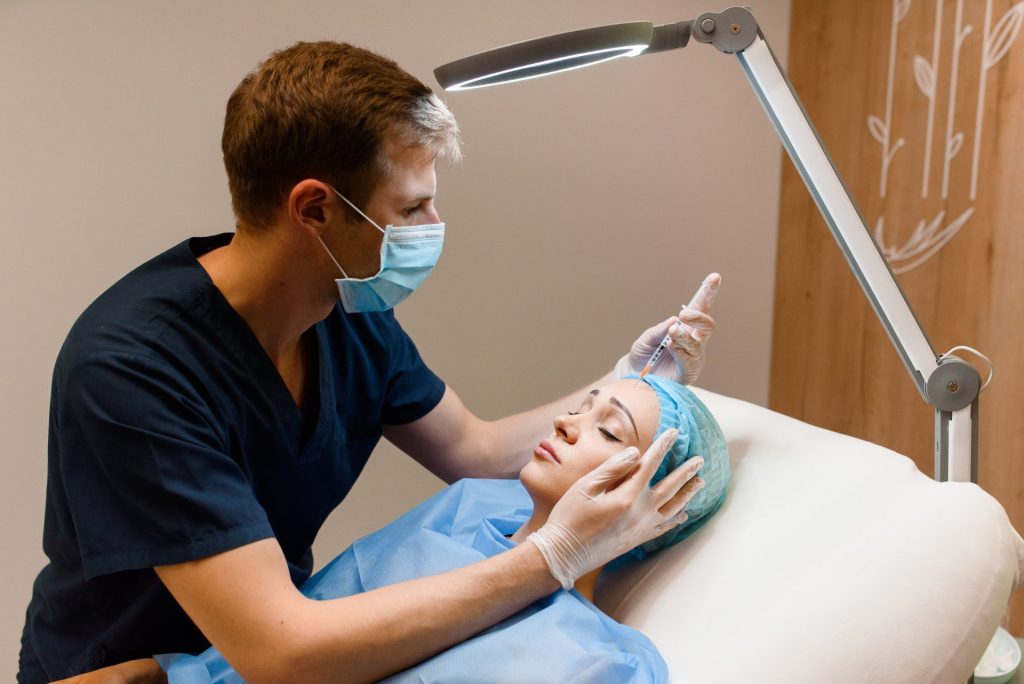
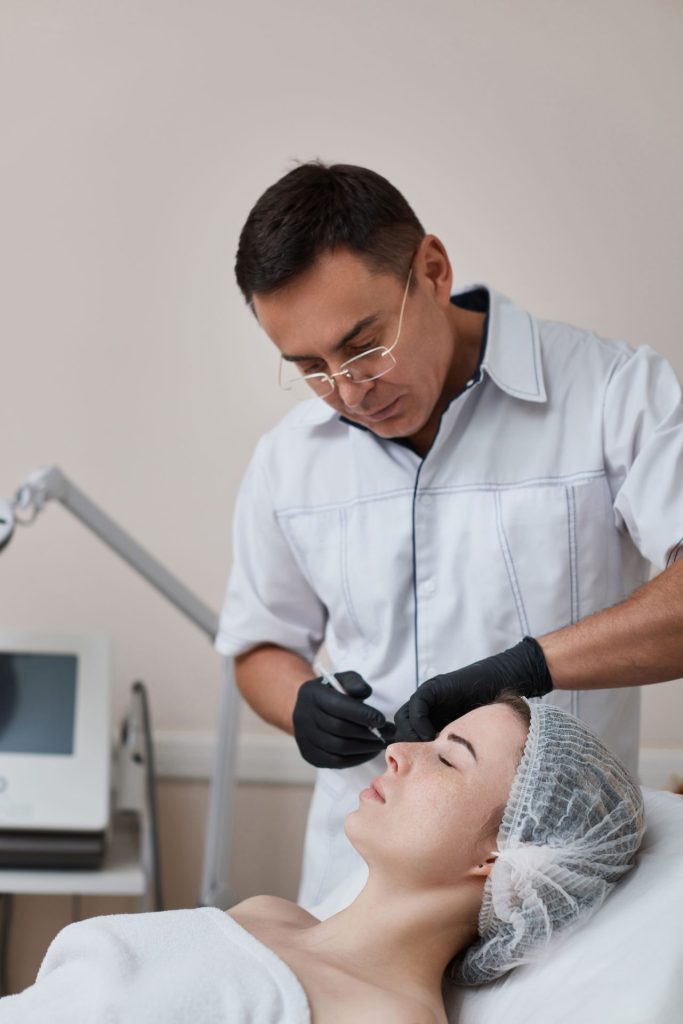
Chemical peels fall into three depth categories, and depth determines whether physician oversight applies. Superficial peels generally stay within an esthetician’s scope, while medium-depth and deep peels count as a delegated medical act in most states. The breakdown below covers the typical agents, concentration ranges, and oversight status for each depth.

  • Superficial peels: AHAs, BHAs, Jessner’s solution, and TCA at roughly 10 to 25 percent produce mild flaking and stay within standard esthetic practice.
  • Medium-depth peels: TCA in the 25 to 35 percent range, often paired with Jessner’s solution or CO2, reaches the papillary dermis, which is where the TCA peel oversight requirement kicks in.
  • Deep peels: Phenol formulas or TCA above 50 percent penetrate deeper tissue, carry a real absorption risk, and stay restricted to physicians in every state we reviewed.

Concentration is a strong signal, but many boards also weigh the clinical endpoint the provider is trained to read.

Medical-Grade vs. Cosmetic-Grade Peels

Medical-grade and cosmetic-grade are marketing terms, not formal regulatory categories, but they track closely with two different concentration ranges. That concentration difference determines whether a peel counts as a spa service or a delegated medical act. The two categories break down by acid strength and how deep each one penetrates.

  • Cosmetic-grade peels: Stay at concentrations built to exfoliate the epidermis without penetrating past it.
  • Medical-grade peels: Use higher-concentration acids engineered to wound the dermis, and that tissue injury is what pulls them into medical scope.

A product marketed as “medical-grade” at a low concentration can still function as a superficial peel, while an unbranded high-strength TCA solution is unambiguously medical. Building your medical-grade peel compliance program around product names instead of concentration data is how practices get flagged during a board complaint.

Delegation Rules for Estheticians and Nurses

Every state draws a line between who can perform a peel independently and who needs a delegating physician behind them. That line runs by license type, not by training or years of experience. The breakdown below covers what each provider type can do and under what delegation structure.

  • Physicians: Can perform any peel depth on their own authority without a delegation agreement.
  • Nurse practitioners and physician assistants: Can often perform medium-depth and deep peels under a collaboration agreement where state law grants that authority.
  • Registered nurses: Need a written order or standing protocol plus a good faith exam before performing a delegated peel.
  • Estheticians: Esthetician chemical peel rules cap them at superficial peels in nearly every state we reviewed, and no certification extends that scope.

This delegation structure is the same one that governs medical director duties by clinic type, since peel oversight is just one piece of the protocol a medical director signs for the entire practice.

State-by-State Requirements for Chemical Peels

The depth-based framework holds nationally, but the regulator and delegation mechanics differ by state. California, Texas, and Florida illustrate three different enforcement models built on the same core rule. Each state assigns peel delegation to a different mix of providers and paperwork.

  • California: Enforces the strictest version, limiting estheticians to superficial peels and requiring an NP, PA, or RN under physician supervision and a good faith exam for anything deeper.
  • Texas: Lets a physician delegate medium-depth and deep peels to trained staff, including an esthetician under written protocols, provided a physician or midlevel stays available for emergencies.
  • Florida: Routes medical-grade peels through the same delegation chain used for injectables, with MDs, DOs, PAs, and ARNPs performing them under supervision and RNs typically working under standing orders.

The superficial vs. medium-depth peel compliance line shifts slightly by state, and thresholds get revised periodically, so confirm current requirements with the relevant board before finalizing a protocol.

How Medical Director Co. Supports Med Spas Offering Peels

Getting the classification right is only the first step. A med spa also needs signed protocols and a physician willing to take on chart review responsibility for every peel depth on the menu. Medical Director Co. places a licensed physician who signs standing orders for your peel depths, from concentration thresholds to delegation limits for your NPs, PAs, RNs, and estheticians. We also include chart reviews and adverse event protocols that state boards expect during an audit.

Get Peel Compliance Right

Match your peel menu to a physician

FAQs

Does a med spa need a medical director to offer chemical peels?

Physician oversight applies to medium-depth and deep chemical peels in most states, not superficial ones. A med spa offering only AHA, BHA, or light TCA peels can typically run under its estheticians’ license. Add a medical-grade TCA or phenol peel, and a medical director becomes the requirement.

What’s the difference between a medical-grade and cosmetic-grade peel?

Medical-grade peels use higher-concentration acids, most often TCA above 25 percent or phenol formulas, built to wound the dermis. Cosmetic-grade peels stay at lower concentrations built to exfoliate the epidermis without penetrating past it. Formulation strength, not the label, determines the regulatory category.

Can an esthetician perform a medical-grade peel without oversight?

State boards routinely deny estheticians the authority to perform medium-depth or deep peels independently, regardless of certification. Once a peel wounds tissue below the epidermis, boards classify it as the practice of medicine. Performing one without a delegating physician risks board discipline and liability exposure.

How much does a medical director cost for a med spa offering peels?

Medical director plans for med spas typically start around $799 a month, with no upfront fees or long-term contract. That cost covers protocol development, delegation agreements, and ongoing chart review. Pricing shifts based on state requirements and how many provider types need supervision.

How quickly can I get a medical director for my med spa offering peels?

Medical Director Co. typically places a licensed physician within 24 hours for most states and within 12 hours for Texas. That placement includes signed protocols covering the peel depths your practice plans to offer. Faster placement shortens the window where medium-depth peels sit on your menu unsupervised.

Matching Your Peel Menu to the Right Oversight Model

Peel depth decides whether your med spa needs physician oversight. Superficial peels can generally stay under your estheticians’ existing license, while medium-depth and deep peels need a medical director’s protocols behind them. Sort your peel menu by depth and concentration, then add a medical director for anything that crosses into medical-grade territory.

Get Your Medical Director

Peel compliance in as little as 12 hours

bolton-harris

Bolton M. Harris, J.D.

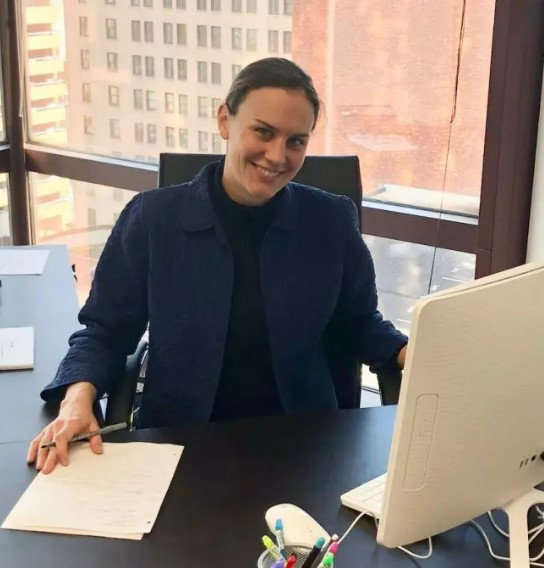
is a seasoned attorney with a formidable background in criminal law and a focus on healthcare law and compliance. As the in-house legal counsel at Medical Director Co., Harris brings a unique blend of prosecutorial experience and regulatory expertise to support healthcare professionals across Texas. Her career spans roles as a prosecutor in multiple counties and now as a trusted advisor on the legal intricacies of medical practice operations.

Related Articles

Hire a Medical Director or
Collaborating Physician Today

Scroll to Top

Get Matched Today
and Save $200

We'll contact you within 30 minutes.

Select your clinic type and we’ll match you with the right physician — fast.

Medspa/Aesthetics

Weight Loss

IV/Wellness

Telehealth

Other

Your clinic type:

Medspa/Aesthetics
Change Clinic Type

You're on your way!

We received your request for a physician.
Our team will contact you soon.