
Opening a medical spa looks appealing from the outside. The market is growing, demand is steady, and recurring revenue makes aesthetics feel predictable. But behind the opportunity is a much harder truth: the challenges of owning a medspa appear in every stage of the business. They show up during launch, intensify during growth, and become even more important when planning for a potential exit.
Success requires more than clinical skill. It depends on operational structure, financial discipline, legal awareness, and the ability to manage a regulated healthcare environment. Many owners enter the field with strong treatment skills but limited experience running a medical business, which increases risk early.
This guide breaks down the most common issues and hurdles across the med spa lifecycle and highlights why a medical director for med spas is essential for clinical safety, operational consistency, and long-term scalability.
Hurdles When Starting a Medical Spa
The first year sets the tone for compliance, workflow, cash flow, and long-term growth. Most difficulties during the opening of a med spa come from inexperience with business operations. Four areas create the biggest challenges of owning a med spa at launch.
Securing the Right Location
Location affects patient flow, privacy, and long-term scalability. Owners must evaluate more than square footage. Before signing a lease, consider:
- Parking and accessibility
- Room count and layout flexibility
- Build-out and renovation requirements
- Local zoning and facility rules
- Expansion potential
A poorly chosen location becomes one of the earliest challenges of opening and operating a medical spa, often forcing costly adjustments later.
Planning Your Service Menu
A wide menu looks attractive but creates operational strain. Each new service requires training, equipment, supplies, and oversight. A focused starter menu improves workflow and profitability.
Common early categories include:
- Injectables
- Laser or energy-based treatments
- Corrective skin services
- Simple wellness add-ons
A medical director helps define the scope of your med spa menu, ensuring your offerings match your qualifications, your state’s supervision rules, and your training plan. Their guidance prevents owners from overextending too early and supports safe, profitable menu design.
Standing Out in a Crowded Market
Differentiation is one of the most persistent challenges of owning a med spa. Many clinics offer similar services with nearly identical messaging. When clients cannot see meaningful differences, decisions shift toward price.
Effective positioning comes from:
- A clear, patient-focused message
- Consistent branding
- Transparent education
- Strong before-and-after results
- A predictable, polished patient experience
A strong strategy allows you to compete on trust and expertise, not discounts.
Managing Equipment and Supply Logistics
Device and supply planning influences cash flow, efficiency, and patient outcomes. Lasers need servicing. Injectable inventory fluctuates. Supplies run out quickly without forecasting.
Owners must decide whether to lease or buy devices and monitor vendor reliability. This becomes easier with physician oversight, because medical directors often help evaluate device claims, review protocols, and establish vendor relationships. Their involvement strengthens purchasing decisions and ensures technology aligns with clinical standards.
Common Obstacles While Growing Your Medical Spa
Growth introduces challenges that rarely appear at launch. These issues affect sustainability and often determine whether a clinic scales or stalls.
Managing a Rising Patient Load
As patient volume increases, bottlenecks appear quickly. Longer wait times, rushed consultations, and documentation delays become common. Compliance requirements also intensify as treatment volume rises, especially for delegation and supervision.
Key operational priorities include:
- Efficient scheduling systems
- Clean consultation and follow-up processes
- Reliable charting and documentation workflows
- Defined intake and triage structure
Clinics that strengthen these systems early reduce stress, improve patient experience, and create a more stable foundation for growth.
Leading and Supporting Your Provider Team
Injectors and aestheticians drive outcomes, retention, and referrals. Recruiting is difficult, but retaining talent requires structure and support.
Common provider challenges include:
- Unclear expectations
- Lack of ongoing training
- Inconsistent protocols
- Limited communication
Providers stay longer when they have clear guidance, strong oversight, predictable systems, and a good working environment. A medical director supports this by setting expectations, standardizing protocols, and guiding ongoing training. Their involvement stabilizes the team, strengthens outcomes, and helps prevent one of the most costly challenges of owning a med spa: provider turnover.
Staying Current Through Education and Training
Aesthetics changes rapidly. New products, advanced techniques, and updated regulations are constantly emerging. Falling behind increases risk.
Training priorities include:
- Annual or semi-annual advanced injector education
- Device certifications
- Safety refreshers
- Case reviews and clinical discussions
A medical director curates training, monitors clinical gaps, and aligns education with state supervision requirements. This ensures the full team practices safely and consistently.
Considerations If You Plan to Sell Your Medical Spa
Most owners do not open a med spa with the intention of selling it, but circumstances change. When that time comes, buyers evaluate structure, compliance, documentation, and revenue stability. Clinics with strong oversight and clean systems receive better offers.
Keeping Accurate Financial and Operational Records
Buyers look for clean records that demonstrate stability. But beyond financials, what matters most is the accuracy of clinical documentation.
Critical documentation includes:
- Up-to-date protocols
- Supervision logs
- Adverse event records
- Device maintenance logs
- Provider credentialing files
A medical director helps maintain and standardize clinical documentation, filling one of the most overlooked challenges of owning a med spa and increasing buyer confidence.
Structuring the Business for Future Growth
The Corporate Practice of Medicine doctrine affects a med spa’s structure in many states, and misalignment can delay or reduce an offer. Compliance and organization influence valuation as much as revenue. Buyers prefer med spas with clear delegation models, defined supervisory relationships, and transferable systems.
A scalable structure includes:
- Documented oversight and delegation
- Standardized SOPs
- Compliant ownership arrangements
- Clear provider roles
Formalized clinical oversight increases the value of the business by reducing compliance risk, improving staff consistency, and demonstrating operational maturity. This makes the practice more attractive to investors and large acquisition groups.
Evaluating Offers and Negotiating the Right Deal
Not all offers focus on the same priorities. Strategic buyers look for expansion potential. Financial buyers focus on margins. Growth platforms focus on systems.
A strong negotiation evaluates:
- Total compensation structure, not only the purchase price
- Timeline expectations
- Staff and provider stability
- Brand continuity
- Post-sale involvement
Clear oversight and strong documentation improve negotiating power and shorten due diligence.
Summary of Key Points
- The challenges of owning a med spa appear during launch, growth, and exit.
- Early planning reduces risk and improves operational stability.
- A focused med spa menu supports training, safety, and profitability.
- Clinical oversight strengthens compliance, documentation, and protocols.
- Medical directors increase operational maturity and future valuation.
Final Thoughts
The challenges of owning a med spa business are real, but they are manageable with structure and clinical leadership. When owners anticipate these hurdles, they make stronger decisions and build practices that grow predictably. A medical director helps bridge the gap between vision and safe execution, improving everything from oversight to device adoption and team development.
Medical Director Co. supports med spa owners at every stage, providing the clinical structure needed to operate safely and scale confidently. With the right guidance in place, your clinic is positioned for long-term stability and stronger outcomes.
FAQs
- What are the biggest challenges of owning a med spa?
Compliance, staffing, documentation, and managing regulated medical treatments are the most common hurdles. - How much does it cost to start a medical spa?
Startup costs vary, but most owners budget for buildout, equipment, supplies, staffing, and required medical oversight. - Do you need a medical director to open a med spa?
Most states require physician supervision for medical treatments, making a medical director essential for compliance. - How can med spa owners avoid legal and operational mistakes?
Clear protocols, proper delegation, strong documentation, and ongoing training reduce most risks.
5. How does Medical Director Co. help med spas handle these challenges?
By providing physician oversight, building compliant protocols, managing delegation, supporting documentation, and guiding safe service expansion.
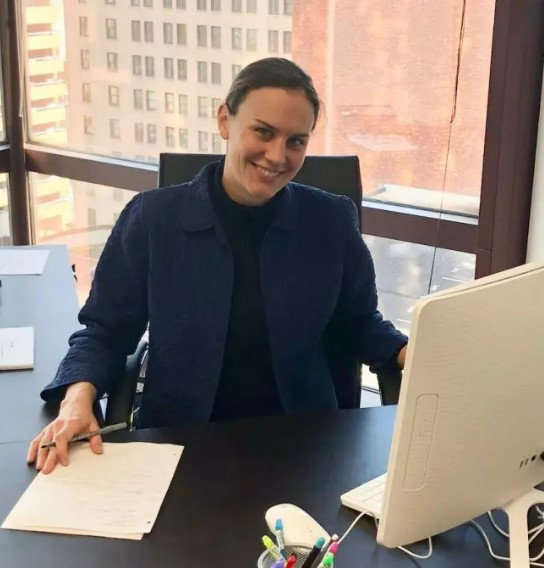
Bolton M. Harris, J.D., is a seasoned attorney with a formidable background in criminal law and a focus on healthcare law and compliance. As the in-house legal counsel at Medical Director Co., Harris brings a unique blend of prosecutorial experience and regulatory expertise to support healthcare professionals across Texas. Her career spans roles as a prosecutor in multiple counties and now as a trusted advisor on the legal intricacies of medical practice operations.
Education & Early Career
Bolton Harris completed her undergraduate studies at Southern Methodist University (SMU) in 2013. During her time at SMU, she was not only a dedicated student but also a competitive athlete on the university’s women’s swimming team. She went on to earn her Juris Doctor from Texas A&M University School of Law in 2016 and became a member of the Texas Bar that same year. Armed with a strong academic foundation and discipline honed as a student-athlete, Harris embarked on a career in criminal law immediately after law school.
Prosecutorial Experience in Texas
Bolton Harris began her legal career in public service as a criminal prosecutor. She served as an Assistant District Attorney in multiple jurisdictions, where she quickly rose through the ranks and handled a broad spectrum of cases. Some highlights of her prosecutorial career include:
- Assistant District Attorney, Dallas County, Texas: Prosecuted a high volume of criminal cases in one of the state’s busiest DA offices, gaining extensive trial experience in both misdemeanor and felony courts.
- Assistant District Attorney, Ellis County, Texas: Continued to hone her courtroom advocacy skills, known for meticulous case preparation and a tenacious pursuit of justice on behalf of the community.
- Assistant District Attorney, Navarro County, Texas: Broadened her legal expertise by handling diverse criminal matters in a smaller county, working closely with law enforcement and community leaders to uphold the law.
Through these roles, Harris built a reputation for being a tough but fair advocate. She brought numerous cases to trial and developed an in-depth understanding of the criminal justice system. This distinguished prosecutorial background laid a strong foundation for the next phase of her career in the private sector.
Healthcare Law & Compliance at Medical Director Co.
After her tenure as a prosecutor, Harris shifted her focus to healthcare law, applying her legal acumen to the medical field. She recognized that the same attention to detail and tenacity that served her in criminal law could benefit healthcare providers navigating complex regulations. Embracing this new direction, Harris became well-versed in the intricate laws governing medical practices – from licensing requirements to patient safety and privacy standards – and is passionate about helping practitioners stay compliant.
In her current role as the in-house attorney for Medical Director Co., Bolton Harris oversees all legal and compliance matters for the organization and its clients. Medical Director Co. is a nurse-owned firm that connects nurse practitioners (NPs), physician assistants (PAs), and registered nurses with qualified medical directors and collaborating physicians, offering fast placements and comprehensive compliance support for healthcare practices. Harris ensures that each of these partnerships and clinical ventures adheres to all applicable state and federal laws. She is responsible for drafting and reviewing collaborative practice agreements, advising on regulatory requirements, and providing ongoing legal counsel as clients establish and grow their clinics. Drawing on her prosecutorial eye for risk management, Harris proactively identifies potential legal issues and addresses them before they escalate, giving healthcare professionals peace of mind.
Bolton M. Harris’s multifaceted expertise – spanning high-stakes courtroom litigation to detailed healthcare compliance – makes her a formidable legal ally. Whether advocating in front of a jury or guiding a medical practice through regulatory hurdles, she remains committed to the highest standards of the legal profession. Her blend of courtroom-tested skill and healthcare law knowledge ensures that clients of Medical Director Co. receive elite-level counsel and steadfast protection in an ever-evolving legal landscape.
