Yes, a nurse practitioner can own a med spa in Texas. However, the answer is not as simple as a yes or no. For Texas NPs, ownership is legally possible, but the structure of the business is just as important as the ownership itself. Understanding can a nurse practitioner own a med spa in Texas requires looking at three separate legal frameworks that work together.
First, Texas’s Corporate Practice of Medicine (CPOM) doctrine affects how non-physicians can participate in and control medical practices. Second, Texas nurse practitioners must comply with prescriptive authority requirements under a Prescriptive Authority Agreement (PAA) with a collaborating physician as required by the Texas Occupations Code Chapter 157 and applicable Texas Board of Nursing rules. Third, any med spa offering prescription-based aesthetic treatments such as Botox, dermal fillers, prescription skincare, or medical weight loss services requires a properly structured physician relationship regardless of who owns the business entity.
It is easy to see why this question creates confusion. Few topics in the Texas aesthetics industry generate more conflicting answers online than NP med spa ownership. The reality is that Texas law permits NP ownership, but it also imposes clear requirements regarding physician collaboration, clinical authority, and practice structure.
For nurse practitioners with the clinical skills, patient relationships, and entrepreneurial vision to build their own aesthetic practice, the opportunity is real. The key is understanding how to structure the business correctly from the beginning. Medical Director Co. helps Texas NPs navigate the physician placement side of that process by matching practices with qualified collaborating physicians and medical directors who support compliant growth.
Ready to open your Texas NP-owned med spa?
Medical Director Co. matches Texas NPs with vetted collaborating physicians in 24 hours — $799/month, no setup fees, attorney-drafted PAA and MDA included, no long-term contracts.
The Short Answer — Yes, With the Right Structure
Yes, Texas NPs Can Own a Med Spa
Yes, a nurse practitioner can legally own a med spa in Texas. Texas law does not prohibit an NP from owning the business entity that operates a medical spa, whether that entity is structured as an LLC, corporation, or PLLC. As the owner, the NP can manage operations, hire staff, establish pricing, market the practice, lease office space, purchase equipment, and oversee the overall direction of the business.
Ownership Does Not Remove Physician Requirements
While ownership is legally permitted, Texas nurse practitioners remain subject to physician collaboration requirements. Under Texas Occupations Code Chapter 157 and applicable Texas Board of Nursing regulations, NPs who prescribe medications or provide services involving prescriptive authority must maintain a compliant Prescriptive Authority Agreement (PAA) with a collaborating physician. Owning the business does not eliminate these obligations.
Medical Aesthetic Services Require a Physician-Supported Framework
This distinction becomes especially important in aesthetic medicine. Services such as Botox, dermal fillers, medical weight loss medications, prescription skincare, and other prescription-based treatments require a clinical framework supported by physician collaboration. An NP cannot sign their own standing orders, serve as their own PAA collaborator, or independently establish the prescriptive authority structure needed to support these services.
The Key Issue Is Clinical Authority, Not Ownership
The critical distinction is between owning the business and controlling the clinical framework. Texas’s Corporate Practice of Medicine (CPOM) doctrine, recognized by the Texas Medical Board, allows nurse practitioners to own businesses but restricts non-physicians from exercising independent control over medical decision-making. As a result, an NP-owned med spa performing prescription aesthetic treatments must have a properly structured physician relationship that satisfies both physician delegation requirements and Texas CPOM principles.
Understanding that distinction is essential before choosing an ownership model, hiring providers, or launching services.
Business Ownership vs. Clinical Authority — The Core Distinction
The easiest way to understand Texas med spa ownership is to separate business authority from clinical authority. A nurse practitioner can own the business and control its operations, while the collaborating physician oversees the clinical framework required by Texas law.
What the NP Controls: business operations, staffing, marketing, pricing, lease negotiations, equipment purchases, vendor relationships, and financial management.
What the Collaborating Physician Must Authorize or Oversee: the Prescriptive Authority Agreement (PAA), standing orders, clinical protocols, Good Faith Exam (GFE) requirements, delegation decisions, chart review activities, and ongoing clinical consultation.
This distinction is not a technicality. It is the structural boundary enforced by Texas’s Corporate Practice of Medicine doctrine. An NP who effectively controls clinical decisions while treating the physician as a paperwork signatory may create compliance concerns, even if the documentation appears compliant. Likewise, the physician must exercise independent medical judgment when authorizing treatments and overseeing patient care. A successful NP-owned med spa respects this division of responsibilities from day one.
Understanding CPOM — Texas’s Corporate Practice of Medicine Doctrine
One of the most important concepts for a nurse practitioner planning to open a med spa in Texas is the Corporate Practice of Medicine (CPOM) doctrine. While most NPs are familiar with clinical regulations, CPOM governs the business and legal structure of healthcare practices.
In simple terms, CPOM is a body of Texas law that restricts non-physicians from controlling the practice of medicine. Under the Texas Medical Practice Act and related Texas Medical Board (TMB) rules, non-physician individuals and entities generally cannot employ physicians in ways that give the non-physician authority over clinical decision-making, direct a physician’s medical judgment, or operate what is effectively a physician practice through a non-physician-owned corporate structure.
For med spas, CPOM is particularly relevant because most aesthetic practices offer services that involve prescription drugs, delegated medical acts, or physician oversight. Botox, dermal fillers, prescription skincare, medical weight loss programs, and many laser procedures all fall within a clinical framework that triggers physician involvement.
Importantly, CPOM is not a prohibition on NP ownership. Rather, it defines how the relationship between the nurse practitioner, collaborating physician, and business entity must be structured. The goal is to preserve independent physician judgment while allowing compliant business operations.
Because CPOM analysis is highly fact-specific and varies by state, nurse practitioners should consult a qualified healthcare attorney before forming a business entity, entering into a physician arrangement, or launching medical aesthetic services.
How CPOM Affects an NP-Owned Med Spa in Texas
For an NP-owned med spa, the practical impact of CPOM is straightforward: the nurse practitioner may own and manage the business, but the clinical framework must remain under genuine physician oversight. This includes standing orders, treatment protocols, prescriptive authority arrangements, Good Faith Exam (GFE) requirements, and other clinical policies.
Texas regulators and courts look at the substance of the relationship, not just the paperwork. A physician who simply signs documents prepared by the NP without exercising independent clinical judgment may not satisfy CPOM requirements. Genuine physician authority means the collaborating physician can review, modify, or reject clinical protocols and treatment decisions when necessary. The arrangement must be structured so that the physician’s oversight is real and meaningful rather than merely administrative.
What CPOM Does NOT Prevent in an NP-Owned Texas Med Spa
CPOM is often misunderstood as a barrier to nurse practitioner ownership, but that is not what the doctrine does. Texas law does not prohibit an NP from owning the business entity that operates a med spa. It does not prevent an NP from serving as the primary treating provider, managing staff, overseeing marketing, setting pricing, or directing the day-to-day operations of the practice.
CPOM also does not require a physician to be physically present for every treatment, nor does it automatically require physician ownership of the business. Instead, CPOM focuses on preserving physician authority over clinical decisions. The doctrine regulates the structure of medical oversight and clinical control, not the nurse practitioner’s ability to build, own, and grow a successful aesthetic business.
The MSO Structure — How Most NP-Owned Texas Med Spas Are Legally Organized
For many nurse practitioners opening a med spa in Texas, the most common compliance framework is the Management Services Organization (MSO) structure. While the legal details can be complex, the basic concept is straightforward: the business side and the clinical side of the practice are separated into different legal entities to comply with Texas’s Corporate Practice of Medicine (CPOM) requirements.
Two Separate Legal Entities
Under an MSO model, the nurse practitioner typically owns the Management Services Organization, which handles non-clinical operations such as marketing, payroll, staffing support, lease management, scheduling, accounting, and equipment procurement. The clinical side of the practice is held by a separate Professional Entity, often structured as a Professional Corporation (PC) or Professional Limited Liability Company (PLLC), which is responsible for patient care, prescriptive authority, standing orders, and clinical protocols.
How the Two Entities Work Together
The two entities are connected through a Management Services Agreement (MSA) that defines the services provided by the MSO and the responsibilities retained by the professional entity. This arrangement allows the NP to effectively operate and grow the business while preserving the physician’s independent authority over medical decisions.
Why the MSO Structure Is Common in Texas
For med spas offering Botox, dermal fillers, prescription skincare, medical weight loss programs, and other medical aesthetic services, the MSO model creates a clear separation between business operations and clinical oversight. That separation is one of the central principles underlying Texas’s Corporate Practice of Medicine doctrine. Rather than limiting NP ownership, the structure is designed to ensure that business decisions and medical decisions remain appropriately separated.
Because MSO design is highly fact-specific and must be tailored to the ownership structure and services offered, nurse practitioners should consult a qualified healthcare attorney before forming entities or entering into management agreements.
Does the MSO Structure Require a Physician Owner in Texas?
One of the first questions many Texas nurse practitioners ask is whether the professional entity within an MSO structure must have physician ownership. In Texas, Professional Corporations (PCs) and Professional Limited Liability Companies (PLLCs) that provide medical services are governed by the Texas Business Organizations Code and related healthcare regulations.
As a result, the clinical entity typically involves physician ownership or physician control of the medical practice functions. In a common NP-owned med spa structure, the nurse practitioner owns the MSO that manages business operations, while the physician owns or participates in the professional entity responsible for patient care. The MSO then provides management services through a formal Management Services Agreement.
Some nurse practitioners choose ownership structures that involve physician participation in the clinical entity specifically to satisfy these requirements. Because entity ownership rules are highly technical and can significantly affect compliance, liability, and operational control, NPs should work closely with a healthcare attorney before selecting a structure. The appropriate model depends on the specific facts of the practice and the services being offered.
The Management Services Agreement — What It Must Include
The Management Services Agreement (MSA) is the document that governs the relationship between the nurse practitioner’s MSO and the professional entity that delivers patient care. A properly structured MSA should clearly define the administrative and operational services provided by the MSO, such as marketing, staffing support, scheduling, payroll administration, facility management, and other business functions.
The agreement should also establish how the MSO is compensated and explicitly state that the MSO does not control clinical decision-making. Authority over standing orders, treatment protocols, prescriptive oversight, patient care decisions, and clinical policies must remain with the physician and professional entity.
This distinction is critical. An MSA that gives the MSO direct or indirect control over clinical operations can create a Corporate Practice of Medicine violation, even if the agreement never explicitly says the MSO controls medical decisions. For that reason, every MSA should be reviewed by a healthcare attorney familiar with Texas healthcare law. Medical Director Co.’s attorney-drafted documents include MSO-compatible medical director agreement language designed to support compliant physician oversight structures.
The Prescriptive Authority Agreement — Why Every Texas NP Med Spa Needs One
Even if a Texas med spa has the correct ownership structure and a properly designed MSO arrangement, a nurse practitioner who prescribes medications or provides prescription-based aesthetic treatments must still maintain a compliant Prescriptive Authority Agreement (PAA). This requirement exists independently of Corporate Practice of Medicine (CPOM) rules and stems from Texas’s regulation of advanced practice nursing.
What the PAA Does
Under Texas Occupations Code Chapter 157 and applicable Texas Board of Nursing regulations, a PAA establishes the physician collaboration framework that allows an NP to exercise prescriptive authority. The agreement identifies both the nurse practitioner and the collaborating physician, defines the scope of delegated prescriptive authority, establishes consultation and communication expectations, and documents the physician’s oversight responsibilities.
Key Requirements for Texas NP Med Spas
For aesthetic practices, the PAA should reflect the services actually being provided. This may include Botox, dermal fillers, prescription skincare products, medical weight loss medications, and other prescription-based treatments. The agreement should also address chart review requirements, consultation procedures, and documentation standards required under Texas law and regulatory guidance.
The Relationship Between the PAA and the Medical Director
For many NP-owned med spas, the collaborating physician and the medical director are the same individual. In that arrangement, the physician serves two related but distinct functions. As the PAA collaborator, they provide the physician relationship required for NP prescriptive authority. As the medical director, they oversee the clinical framework of the practice, including standing orders, treatment protocols, Good Faith Exam requirements, and patient safety oversight.
Because prescriptive authority is fundamental to many medical aesthetic services, maintaining a current and properly structured PAA is one of the most important compliance requirements for any Texas NP-owned med spa.
Can the NP Be Their Own PAA Collaborator?
No. A Texas nurse practitioner cannot serve as their own Prescriptive Authority Agreement collaborator. The collaborating physician must be a separately licensed physician who meets Texas requirements for physician delegation and prescriptive authority oversight.
This is one of the clearest reasons an NP cannot simply act as their own medical director. The PAA framework is built around an independent physician relationship, meaning the physician’s authority and oversight must remain structurally separate from the NP’s practice authority. While the nurse practitioner may own the business and serve as a primary treating provider, the collaborating physician remains a legal requirement for prescriptive practice.
Nurse practitioners relocating from full-practice-authority states are often surprised by this distinction. In Texas, physician collaboration is not optional and cannot be replaced by another NP or an informal arrangement. A compliant Texas NP med spa must have a properly structured physician relationship that satisfies both prescriptive authority and clinical oversight requirements.
What the Medical Director Does for an NP-Owned Texas Med Spa
Many nurse practitioners are familiar with the concept of a collaborating physician through the Prescriptive Authority Agreement (PAA). In a med spa setting, however, the physician’s role is broader than satisfying a licensing requirement. The physician also serves as the medical director responsible for helping establish the clinical framework that supports the practice’s services.
Establishing Clinical Oversight
For an NP-owned Texas med spa, the medical director typically develops, reviews, and approves the standing orders that govern treatments such as Botox, dermal fillers, prescription skincare, and medical weight loss therapies. The physician also helps establish clinical protocols, determines when physician consultation is required, and oversees the Good Faith Exam (GFE) framework used by the practice.
Supporting Patient Safety and Compliance
The physician’s responsibilities extend beyond document preparation. They conduct chart reviews, provide clinical consultation when questions arise, review adverse events when necessary, and help ensure that patient care standards remain consistent with Texas regulatory requirements. The medical director also serves as the escalation point for complex cases that may require additional clinical evaluation or treatment planning.
For a Texas NP-owned med spa, the medical director is not simply a name attached to paperwork. The role is designed to provide meaningful clinical oversight while allowing the nurse practitioner to operate and grow the business. When structured correctly, the physician’s involvement supports patient safety, regulatory compliance, and the long-term success of the practice.
PAA Collaborator vs. Medical Director — Same Person, Two Roles
For most NP-owned Texas med spas, the most practical and compliant structure is for one physician to serve as both the PAA collaborator and the medical director. Although these roles are often filled by the same physician, they serve different legal purposes and are governed by different documents.
As the PAA collaborator, the physician fulfills the collaboration requirements associated with the nurse practitioner’s prescriptive authority under Texas law. As the medical director, the physician oversees the broader clinical framework of the practice, including standing orders, treatment protocols, chart review activities, and Good Faith Exam requirements.
This dual-role arrangement generally requires two separate agreements: a Prescriptive Authority Agreement (PAA) supporting the NP’s prescriptive authority and a Medical Director Agreement (MDA) defining the physician’s oversight responsibilities for the practice as a whole. Medical Director Co. structures both documents as part of its Texas NP physician placement service, helping practices establish a coordinated and compliant physician relationship.
What the Physician Must Actually Do — Not Just Sign
One of the most common compliance mistakes in NP-owned med spas is treating the physician relationship as a paperwork exercise. Because the nurse practitioner often serves as the owner, operator, and primary provider, there can be a temptation to find a physician willing to sign documents with minimal involvement. This creates significant compliance and liability risks.
A Texas medical director must do more than lend their name to the practice. The physician should review and sign standing orders before services are offered, participate in required chart reviews, remain available for clinical consultation, and exercise independent medical judgment regarding patient care and treatment protocols.
Most importantly, the physician must retain genuine clinical authority. If concerns arise about a treatment, protocol, or prescribing practice, the physician must be able to require modifications or decline authorization. The nurse practitioner’s business authority and the physician’s clinical authority must remain genuinely separate to support compliance with Texas law and reduce regulatory risk.
Step-by-Step — How to Structure an NP-Owned Med Spa in Texas Legally
If you’re ready to move from planning to launch, the process becomes much easier when approached in the correct order. The steps below provide a practical roadmap for structuring an NP-owned Texas med spa in a way that supports both compliance and long-term growth.
Step 1 — Consult a Texas Healthcare Attorney on Entity Structure
Before forming any business entity, consult a healthcare attorney experienced in Texas medical practice law. Texas Corporate Practice of Medicine requirements, MSO structures, and professional entity ownership rules are highly specialized and should not be based on online templates or peer advice. A healthcare attorney can evaluate your goals and recommend the appropriate structure before any documents are filed. Medical Director Co. can refer clients to experienced Texas healthcare attorneys as part of the onboarding process.
Step 2 — Form the Correct Business Entities
Based on your attorney’s guidance, form the appropriate business entities. In many cases, this includes an NP-owned MSO and a separate professional entity that satisfies Texas clinical practice requirements. Register the entities with the Texas Secretary of State and confirm that the ownership and governance structure aligns with Texas CPOM principles before moving forward.
Step 3 — Identify and Engage a Texas-Licensed Collaborating Physician
Secure a physician who holds an active, unrestricted Texas medical license, carries appropriate malpractice coverage, understands aesthetic medicine, and is willing to serve as both your PAA collaborator and medical director. This is often the most difficult part of the process for new practice owners. Medical Director Co. solves this by matching Texas NPs with qualified physicians within 24 hours for $799 per month, with no setup fees, attorney-drafted PAA and MDA documents included, and no long-term contract.
Step 4 — Execute and File the Prescriptive Authority Agreement
Work with your physician and healthcare attorney to prepare a Texas-compliant Prescriptive Authority Agreement covering your aesthetic scope of practice. Confirm that all required elements are included and that the agreement is properly maintained in accordance with Texas requirements before prescribing medications or performing prescription-based treatments.
Step 5 — Execute the Medical Director Agreement and Develop Standing Orders
Separately execute a Medical Director Agreement that defines the physician’s clinical oversight responsibilities. Develop Texas-specific standing orders for every treatment offered, including injectables, prescription skincare, and medical weight loss services. These documents should be signed before the first patient is treated. Medical Director Co.’s attorney-drafted standing orders are tailored to each practice’s treatment menu and Texas compliance requirements.
Step 6 — Establish the GFE Workflow and Pre-Opening Compliance Infrastructure
Designate the Good Faith Exam provider, establish the GFE workflow, implement chart review procedures, brief staff on the physician’s role and escalation process, and complete all required compliance documentation before opening. This includes patient forms, clinical protocols, emergency procedures, and recordkeeping systems. Not sure where to start? Medical Director Co. matches Texas NPs with the right physician in 24 hours — get started today.
How Medical Director Co. Makes NP-Owned Med Spa Ownership in Texas Achievable
For most nurse practitioners, the hardest part of opening a med spa in Texas is not developing the business plan or learning the clinical skills. It is finding a Texas-licensed physician who is willing to enter into a genuine, compliant, properly documented arrangement that supports both regulatory requirements and the realities of a growing practice.
Medical Director Co. was built to solve that problem.
24-Hour Physician Matching
We match Texas nurse practitioners with vetted, Texas-licensed physicians in as little as 24 hours. Every placement is tailored to the specific needs of the practice, helping NPs move forward without spending months searching for the right collaborating physician.
$799/Month Flat Rate
Our pricing is simple and predictable. For $799 per month, Texas NPs receive a physician relationship structured to support both prescriptive authority and med spa operations, without unexpected charges or per-chart billing surprises.
No Setup Fees
Many physician arrangements come with upfront placement fees, document charges, or onboarding costs. Medical Director Co. eliminates those barriers with one straightforward monthly fee from day one.
Attorney-Drafted Texas Documents Included
Every placement includes attorney-drafted Texas compliance documents at no additional cost, including the Prescriptive Authority Agreement (PAA), Medical Director Agreement (MDA), and Texas-specific standing orders tailored to your treatment menu.
No Long-Term Contracts
New practices need flexibility. Our month-to-month model allows Texas NPs to build their patient base and grow their business without being locked into a long-term commitment.
Open your Texas NP-owned med spa the right way.
Get matched with a Texas collaborating physician in 24 hours.
Frequently Asked Questions About NP Med Spa Ownership in Texas
Can a nurse practitioner own a med spa in Texas?
Yes. A Texas nurse practitioner can legally own the business entity of a med spa and serve as a treating provider within the practice. However, because Texas is a restricted-practice state and aesthetic services often involve prescription treatments, the ownership structure must be designed correctly. Most NP-owned Texas med spas operate through an MSO-based framework and maintain a collaborating physician who serves as both the Prescriptive Authority Agreement (PAA) collaborator and medical director. The NP owns and operates the business, while the physician provides the clinical oversight and prescriptive authority framework required by Texas law.
What is CPOM and does it prevent NPs from owning a med spa in Texas?
CPOM stands for the Corporate Practice of Medicine doctrine. In Texas, it restricts non-physicians from controlling medical decision-making within a healthcare practice. Importantly, CPOM does not prohibit nurse practitioners from owning med spas. Instead, it governs how clinical authority must be structured within the business. The physician must retain genuine authority over standing orders, treatment protocols, and clinical oversight, while the NP manages the business operations. Most Texas NP-owned med spas use an MSO structure to maintain this separation. Because CPOM analysis is highly fact-specific, a healthcare attorney should review any proposed ownership arrangement.
What is an MSO structure and do I need one as an NP med spa owner in Texas?
An MSO, or Management Services Organization, is a business entity that handles administrative and operational functions such as marketing, payroll, staffing support, scheduling, and facility management. A separate professional entity oversees the clinical practice. The two entities are connected through a Management Services Agreement. This model is widely used by NP-owned Texas med spas because it allows the nurse practitioner to own and operate the business while preserving the physician’s independent authority over clinical decisions. Whether an MSO structure is necessary for your situation depends on your specific ownership model and should be reviewed by a healthcare attorney.
Can an NP in Texas be their own medical director?
No. A Texas nurse practitioner cannot serve as their own medical director. First, Texas requires NPs with prescriptive authority to maintain a relationship with a separately licensed collaborating physician through a Prescriptive Authority Agreement. Second, Texas’s Corporate Practice of Medicine doctrine requires genuine physician oversight of the clinical framework. A physician whose authority is controlled by the NP-owner does not satisfy that requirement. The medical director must be an independently licensed Texas physician who retains authority over standing orders, treatment protocols, chart reviews, and other clinical oversight responsibilities.
How do I find a collaborating physician for my Texas NP-owned med spa?
Medical Director Co. provides one of the fastest and most structured solutions available. Texas NPs are matched with vetted, Texas-licensed physicians experienced in aesthetic medicine within 24 hours. The service includes attorney-drafted PAA and Medical Director Agreement documents, no setup fees, no long-term contract, and a flat rate of $799 per month. While some NPs locate physicians through professional referrals or medical associations, the physician must be willing to conduct chart reviews, participate in oversight, and maintain a compliant physician relationship. The structure of the arrangement matters just as much as the physician you choose.
Does a Texas NP need both a PAA and a medical director agreement?
Yes. These documents serve different legal purposes and should not be confused. The Prescriptive Authority Agreement supports the NP’s authority to prescribe medications under Texas law and governs the physician collaboration relationship. The Medical Director Agreement establishes the physician’s oversight of the med spa’s clinical operations, including standing orders, Good Faith Exam protocols, chart review obligations, and treatment oversight. Although the same physician often serves in both roles, separate documentation is typically required. Medical Director Co. provides both agreements as part of its Texas NP physician placement service.
What happens if a Texas NP-owned med spa operates without a proper medical director structure?
The consequences can be significant. An invalid physician relationship may jeopardize the NP’s prescriptive authority, expose the physician to Texas Medical Board scrutiny, and create Corporate Practice of Medicine concerns for the business itself. If an adverse patient event occurs, the absence of proper physician oversight can also increase malpractice exposure and create insurance coverage issues. In serious cases, regulators may require restructuring of the practice or impose disciplinary action. Because these risks often overlap, NPs who are uncertain about their current arrangement should seek guidance from a healthcare attorney as soon as possible.
How much does a medical director cost for an NP-owned med spa in Texas?
Texas medical director arrangements commonly range from approximately $500 to $2,500 or more per month depending on the physician’s responsibilities, chart review requirements, and level of involvement. Additional costs for legal documents, setup fees, or ongoing compliance support are also common. Medical Director Co. offers a flat-rate model of $799 per month that includes attorney-drafted PAA and Medical Director Agreement documents, no setup fees, and no long-term contract. For a growing NP-owned med spa, predictable pricing can make budgeting and expansion significantly easier while maintaining a compliant physician relationship.
Can a Texas NP use an out-of-state physician as their collaborating physician?
No. The collaborating physician must hold an active, unrestricted Texas medical license. A physician who practices in another state cannot serve as the NP’s Texas collaborating physician unless they are also licensed in Texas. This requirement is often overlooked when NPs rely on informal referrals or existing professional relationships. Even if the physician is experienced in aesthetic medicine, Texas licensure is essential for a compliant physician arrangement. Medical Director Co. verifies Texas licensure, malpractice coverage, and physician qualifications before presenting candidates for consideration.
How does Medical Director Co. help Texas NPs open a compliant med spa?
Medical Director Co. helps Texas nurse practitioners establish the physician relationships required to operate a compliant med spa. We match NPs with Texas-licensed, malpractice-insured physicians experienced in aesthetic medicine, often within 24 hours. The service includes attorney-drafted Prescriptive Authority Agreements, Medical Director Agreements, and physician oversight structures tailored to Texas requirements. Physicians provide chart review support, standing orders, clinical consultation, and ongoing oversight as required. With flat-rate pricing of $799 per month, no setup fees, and no long-term contracts, Medical Director Co. helps Texas NPs build the right physician framework from the start.
Open your Texas NP-owned med spa with the right physician structure from day one.
Get matched in 24 hours.
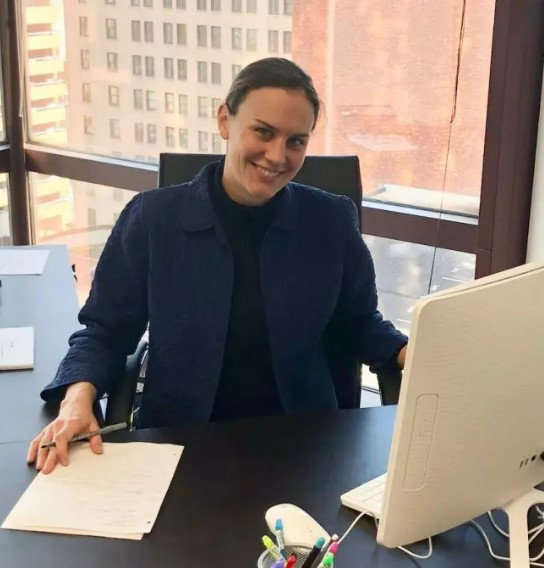
Bolton M. Harris, J.D., is a seasoned attorney with a formidable background in criminal law and a focus on healthcare law and compliance. As the in-house legal counsel at Medical Director Co., Harris brings a unique blend of prosecutorial experience and regulatory expertise to support healthcare professionals across Texas. Her career spans roles as a prosecutor in multiple counties and now as a trusted advisor on the legal intricacies of medical practice operations.
Education & Early Career
Bolton Harris completed her undergraduate studies at Southern Methodist University (SMU) in 2013. During her time at SMU, she was not only a dedicated student but also a competitive athlete on the university’s women’s swimming team. She went on to earn her Juris Doctor from Texas A&M University School of Law in 2016 and became a member of the Texas Bar that same year. Armed with a strong academic foundation and discipline honed as a student-athlete, Harris embarked on a career in criminal law immediately after law school.
Prosecutorial Experience in Texas
Bolton Harris began her legal career in public service as a criminal prosecutor. She served as an Assistant District Attorney in multiple jurisdictions, where she quickly rose through the ranks and handled a broad spectrum of cases. Some highlights of her prosecutorial career include:
- Assistant District Attorney, Dallas County, Texas: Prosecuted a high volume of criminal cases in one of the state’s busiest DA offices, gaining extensive trial experience in both misdemeanor and felony courts.
- Assistant District Attorney, Ellis County, Texas: Continued to hone her courtroom advocacy skills, known for meticulous case preparation and a tenacious pursuit of justice on behalf of the community.
- Assistant District Attorney, Navarro County, Texas: Broadened her legal expertise by handling diverse criminal matters in a smaller county, working closely with law enforcement and community leaders to uphold the law.
Through these roles, Harris built a reputation for being a tough but fair advocate. She brought numerous cases to trial and developed an in-depth understanding of the criminal justice system. This distinguished prosecutorial background laid a strong foundation for the next phase of her career in the private sector.
Healthcare Law & Compliance at Medical Director Co.
After her tenure as a prosecutor, Harris shifted her focus to healthcare law, applying her legal acumen to the medical field. She recognized that the same attention to detail and tenacity that served her in criminal law could benefit healthcare providers navigating complex regulations. Embracing this new direction, Harris became well-versed in the intricate laws governing medical practices – from licensing requirements to patient safety and privacy standards – and is passionate about helping practitioners stay compliant.
In her current role as the in-house attorney for Medical Director Co., Bolton Harris oversees all legal and compliance matters for the organization and its clients. Medical Director Co. is a nurse-owned firm that connects nurse practitioners (NPs), physician assistants (PAs), and registered nurses with qualified medical directors and collaborating physicians, offering fast placements and comprehensive compliance support for healthcare practices. Harris ensures that each of these partnerships and clinical ventures adheres to all applicable state and federal laws. She is responsible for drafting and reviewing collaborative practice agreements, advising on regulatory requirements, and providing ongoing legal counsel as clients establish and grow their clinics. Drawing on her prosecutorial eye for risk management, Harris proactively identifies potential legal issues and addresses them before they escalate, giving healthcare professionals peace of mind.
Bolton M. Harris’s multifaceted expertise – spanning high-stakes courtroom litigation to detailed healthcare compliance – makes her a formidable legal ally. Whether advocating in front of a jury or guiding a medical practice through regulatory hurdles, she remains committed to the highest standards of the legal profession. Her blend of courtroom-tested skill and healthcare law knowledge ensures that clients of Medical Director Co. receive elite-level counsel and steadfast protection in an ever-evolving legal landscape.