
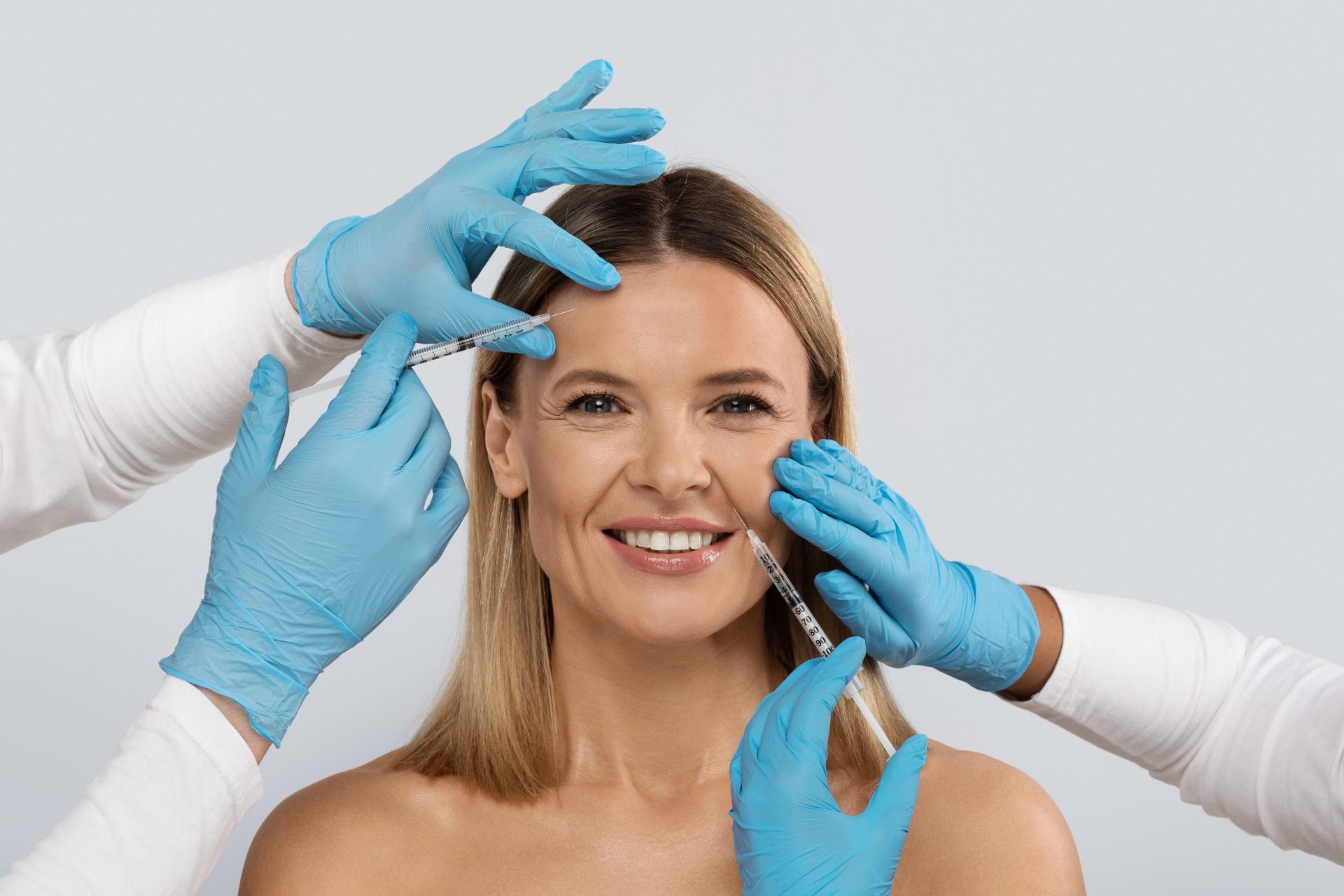
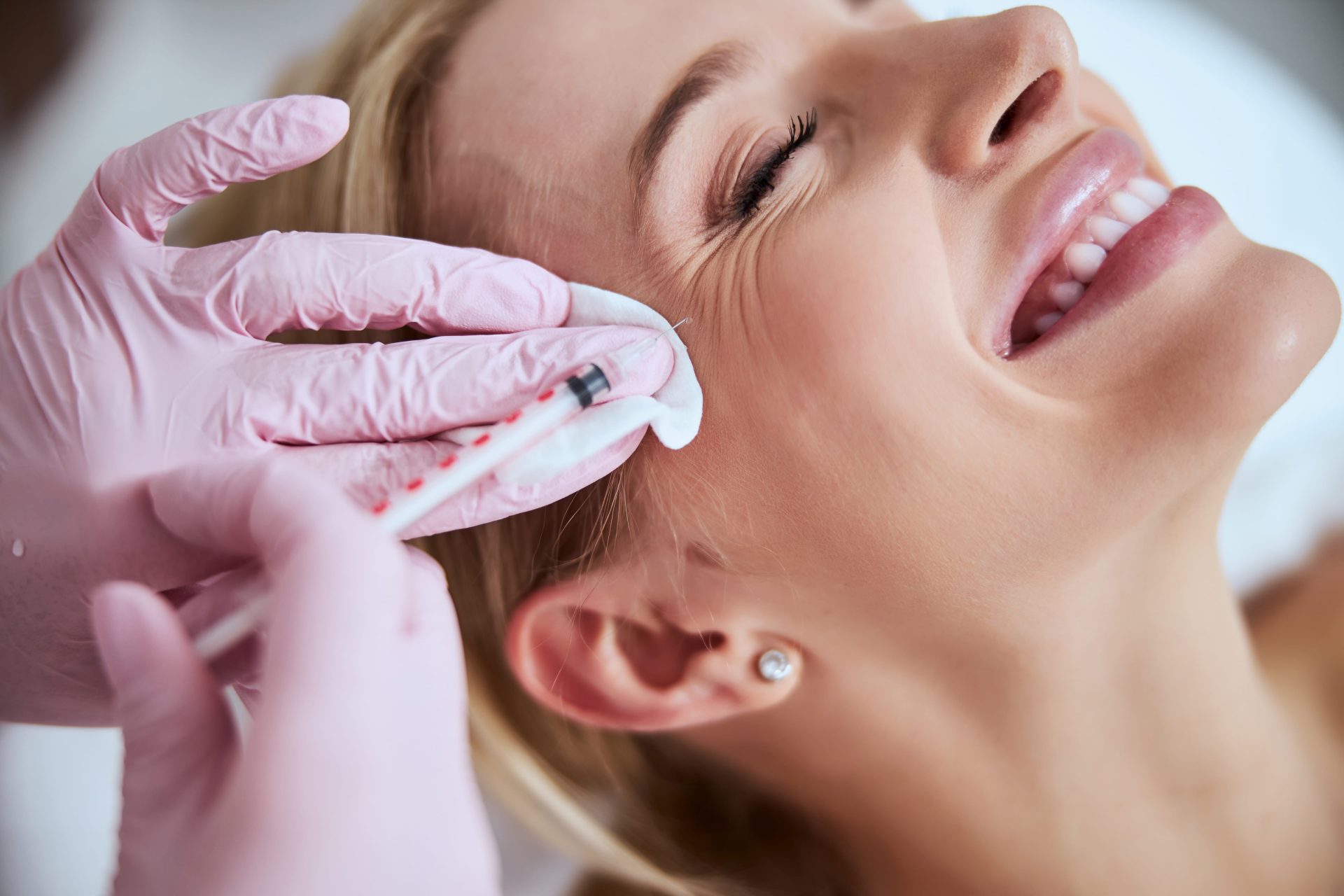
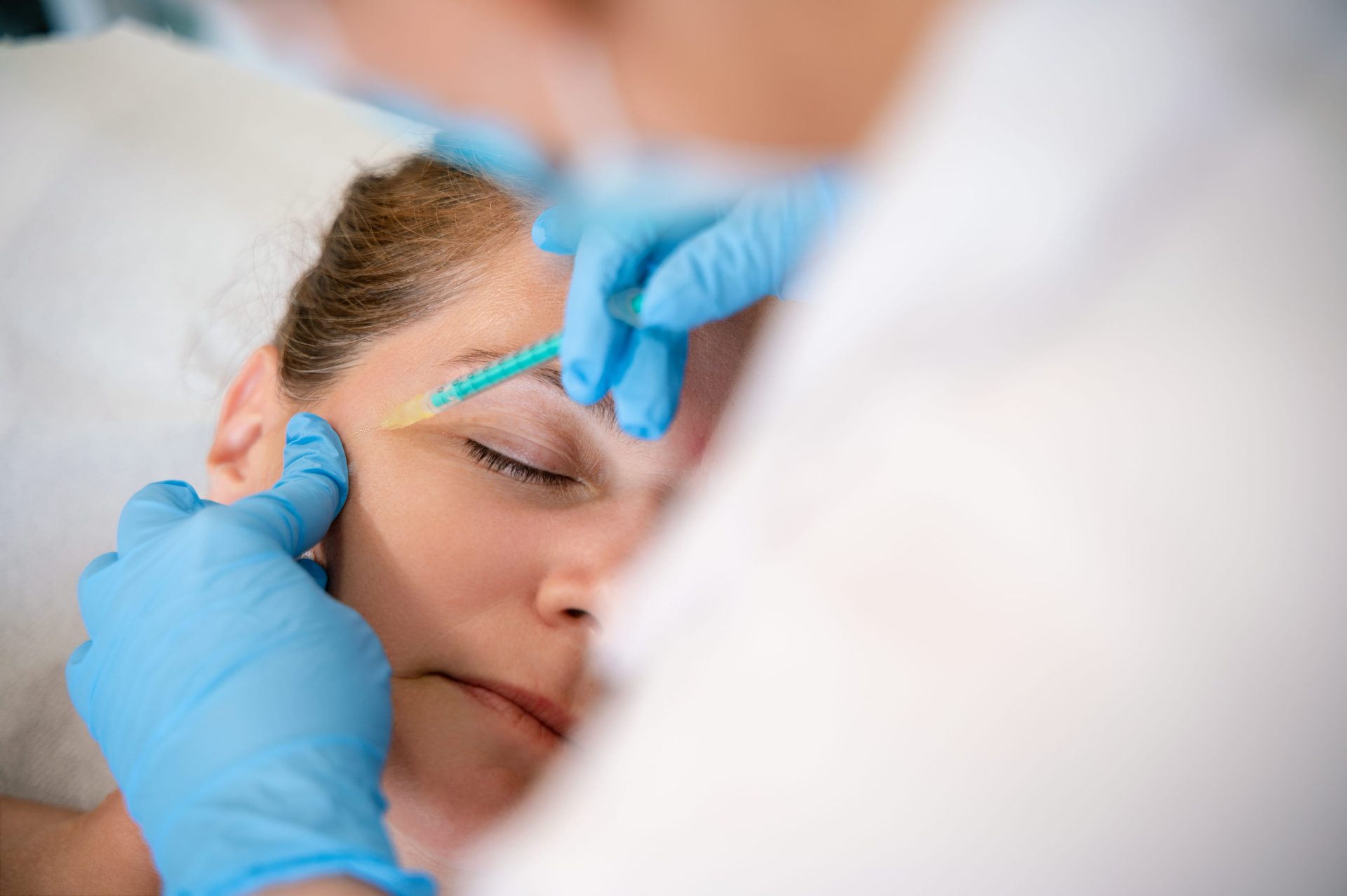
Aesthetics isn’t just about luxury medical spa settings anymore. Across the U.S., RNs, NPs, and estheticians are hosting Botox parties, offering group injection events outside traditional clinics. These events often involve a Botox treatment provided in informal settings rather than a standard medical office.
For patients, the appeal is convenience and lower cost. For providers, it can look like an easy entry point into aesthetics without a six-figure buildout. But when injections move outside clinical environments, questions arise about safety, oversight, and legality—especially when the event is a home party.
So the question everyone asks is: Are Botox parties legal?
The answer is yes—but only under strict rules. In most states, Botox is considered a medical treatment, meaning providers must inject Botox only after a physician-approved good faith exam, proper patient consent, and documented oversight. Without these safeguards, providers expose themselves to serious liability.
State enforcement varies. For example, California law is especially strict due to corporate practice rules and supervision requirements, making casual injection events risky if not structured correctly. In short, while some events may technically be considered legal, they are only compliant when run like a medical encounter—not a social gathering.
This guide will give you the authoritative 2026 answer:
- State laws on Botox parties.
- Why a Medical Director is non-negotiable.
- Startup costs, insurance, and best practices.
- The risks of ignoring compliance.
What Exactly Is a Botox Party?
Definition: A group event where multiple patients receive Botox or filler injections in a social setting (home, salon, office, event space).
Hosts: Sometimes RNs/NPs, sometimes estheticians, sometimes non-medical spa owners ( illegal if no MD oversight).
Business Model: Discounts for group bookings, shared overhead, viral/social media appeal.
Legal distinction:
- If organized by a licensed injector under physician delegation, Botox parties can be compliant.
- If organized by non-medical hosts (salon owners, influencers, estheticians without MD agreements) → illegal.
Why Botox Parties Still Require a Medical Director
- Botox = prescription drug. FDA rules: only licensed providers can prescribe/administer with delegation. (FDA Botox Overview)
- Corporate Practice of Medicine (CPOM): In CA, TX, NY, NJ, NC, non-physicians cannot own medical practices. Parties must operate through an MSO.
- Insurance: NSO Malpractice policies often exclude Botox parties unless physician oversight is documented.
- Board Compliance: State nursing and medical boards have disciplined providers for injecting outside scope, even at “casual” parties.
What Is a CPOM State?
A CPOM state is one that enforces the rules of Corporate Practice of Medicine. These laws exist to protect patient safety by ensuring medical decisions are controlled by licensed physicians, not business owners. In a medspa, CPOM rules keep clinical care guided by medical judgment rather than commercial pressure.
State-by-State Breakdown: Botox Party Laws in 2026
California
- CPOM state.
- Non-physicians cannot own medical side.
- RNs/NPs can inject under MD delegation.
- Requires MSO structure.
Texas
- Botox = prescriptive drug → requires MD delegation.
- RNs cannot inject independently.
- Chart review required in many cases.
Florida
- Only physicians (plastic surgeons/dermatologists) may act as Medical Directors.
- Strict oversight — Botox parties legal only under physician delegation.
New York
- CPOM state.
- MSO required if non-physician owns practice.
Arizona
- NP-friendly, but protocols/agreements still required.
Michigan & Ohio
- RNs and NPs require delegation/collaborative agreements.
New Jersey & North Carolina
- Strict CPOM doctrine.
- MSO agreement mandatory.
Georgia, Tennessee & Alabama
- All require direct physician oversight.
Risks of Running Botox Parties Without Oversight
1. Medical Risks
- Complications: vascular occlusion, infection, ptosis, allergic reaction.
- Environment risks: poor lighting, sanitation, sharps disposal.
2. Legal Risks
- Board investigations → suspension/fines.
- Civil lawsuits from patients.
- CPOM violations (corporate penalties).
3. Insurance Risks
- Malpractice carriers may void coverage if no Medical Director oversight.
Case: An RN in New Jersey hosted unsupervised Botox parties. A patient experienced complications, and malpractice refused coverage. She lost her license and paid $150k+ in damages.
Compliance Checklist for Botox Parties
- Medical Director contract (CPA/MSO).
- Standing orders signed.
- Patient consent forms collected.
- Chart every patient.
- Maintain sanitation & sharps disposal.
- Emergency meds + plan on-site.
Startup Costs for Botox Parties
Hosting parties is cheaper than medspa ownership — but still requires compliance.
Category
Estimated Cost
Notes
Supplies/Injectables
$5k–$15k
Botox, fillers, PPE
Medical Director
$799–$2,500/mo
Compliance cost
Insurance
$3k–$7k/yr
Must disclose Botox party model
Marketing/Events
$2k–$5k
Ads, event promotion
Room Rental (optional
$1k–$2k/mo
If held in salon/spa
Compare this with the cost to open a medspa in 2026 ($100k–$200k).
Best Practices for Safe Botox Parties
- Keep groups small (10–15 max).
- Always use sterile supplies.
- No alcohol before injections (common mistake at parties).
- Require individual patient consults + consent forms.
- Follow FTC truth-in-advertising rules for social media promos (FTC Endorsement Guidelines).
Affordable Startup Models
- Concierge/Home Botox Visits → low overhead.
- Salon Room Rentals → $1.5k/mo instead of $10k lease.
- Corporate Wellness Pop-Ups → booming niche.
Frequently Asked Questions
Are Botox parties legal in 2026?
Yes, if overseen by a Medical Director, with agreements, consent, and protocols.
Can estheticians host Botox parties?
Not unless partnered with a licensed injector + Medical Director.
What’s the cheapest way to start?
Concierge Botox or small parties with MD oversight → startup <$30k.
Do I need insurance for Botox parties?
Yes — malpractice policies require disclosure of mobile/party model.
Conclusion: Profitable, But Only with Oversight
Botox parties are one of the fastest-growing trends in aesthetics. They can be profitable and affordable compared to traditional medspas. But they are not loopholes around compliance.
Every injection — whether at a party, salon, or clinic — requires:
- A Medical Director ($799/month with Medical Director Co.).
- Proper agreements (CPA, MSO, standing orders).
- Consent forms, charting, malpractice insurance.
Whether you’re an RN or NP, we place you with the right Medical Director in all 50 states — within 24 hours.
Hire your Medical Director today and host your Botox parties legally and safely.

Bolton M. Harris, J.D., is a seasoned attorney with a formidable background in criminal law and a focus on healthcare law and compliance. As the in-house legal counsel at Medical Director Co., Harris brings a unique blend of prosecutorial experience and regulatory expertise to support healthcare professionals across Texas. Her career spans roles as a prosecutor in multiple counties and now as a trusted advisor on the legal intricacies of medical practice operations.
Education & Early Career
Bolton Harris completed her undergraduate studies at Southern Methodist University (SMU) in 2013. During her time at SMU, she was not only a dedicated student but also a competitive athlete on the university’s women’s swimming team. She went on to earn her Juris Doctor from Texas A&M University School of Law in 2016 and became a member of the Texas Bar that same year. Armed with a strong academic foundation and discipline honed as a student-athlete, Harris embarked on a career in criminal law immediately after law school.
Prosecutorial Experience in Texas
Bolton Harris began her legal career in public service as a criminal prosecutor. She served as an Assistant District Attorney in multiple jurisdictions, where she quickly rose through the ranks and handled a broad spectrum of cases. Some highlights of her prosecutorial career include:
- Assistant District Attorney, Dallas County, Texas: Prosecuted a high volume of criminal cases in one of the state’s busiest DA offices, gaining extensive trial experience in both misdemeanor and felony courts.
- Assistant District Attorney, Ellis County, Texas: Continued to hone her courtroom advocacy skills, known for meticulous case preparation and a tenacious pursuit of justice on behalf of the community.
- Assistant District Attorney, Navarro County, Texas: Broadened her legal expertise by handling diverse criminal matters in a smaller county, working closely with law enforcement and community leaders to uphold the law.
Through these roles, Harris built a reputation for being a tough but fair advocate. She brought numerous cases to trial and developed an in-depth understanding of the criminal justice system. This distinguished prosecutorial background laid a strong foundation for the next phase of her career in the private sector.
Healthcare Law & Compliance at Medical Director Co.
After her tenure as a prosecutor, Harris shifted her focus to healthcare law, applying her legal acumen to the medical field. She recognized that the same attention to detail and tenacity that served her in criminal law could benefit healthcare providers navigating complex regulations. Embracing this new direction, Harris became well-versed in the intricate laws governing medical practices – from licensing requirements to patient safety and privacy standards – and is passionate about helping practitioners stay compliant.
In her current role as the in-house attorney for Medical Director Co., Bolton Harris oversees all legal and compliance matters for the organization and its clients. Medical Director Co. is a nurse-owned firm that connects nurse practitioners (NPs), physician assistants (PAs), and registered nurses with qualified medical directors and collaborating physicians, offering fast placements and comprehensive compliance support for healthcare practices. Harris ensures that each of these partnerships and clinical ventures adheres to all applicable state and federal laws. She is responsible for drafting and reviewing collaborative practice agreements, advising on regulatory requirements, and providing ongoing legal counsel as clients establish and grow their clinics. Drawing on her prosecutorial eye for risk management, Harris proactively identifies potential legal issues and addresses them before they escalate, giving healthcare professionals peace of mind.
Bolton M. Harris’s multifaceted expertise – spanning high-stakes courtroom litigation to detailed healthcare compliance – makes her a formidable legal ally. Whether advocating in front of a jury or guiding a medical practice through regulatory hurdles, she remains committed to the highest standards of the legal profession. Her blend of courtroom-tested skill and healthcare law knowledge ensures that clients of Medical Director Co. receive elite-level counsel and steadfast protection in an ever-evolving legal landscape.
