Med spa owners, IV clinic operators, and franchise practice managers ask the same good faith exam questions on repeat: who can perform it, when it’s required, how it’s documented, and what it costs. This page answers each one directly. The four categories, treatment-specific rules, and state variance below cover the details that apply to your practice.
Key Takeaways
- Good faith exam questions fall into four categories: who can perform it, when it’s required, how it’s documented, and what it costs. (Jump to Section)
- Botox, fillers, lasers, IV therapy, and GLP-1 medications all require a good faith exam, though renewal timing differs by treatment. (Jump to Section)
- Good faith exam rules vary by state on delegation authority, telehealth permissibility, and renewal frequency, so no single national policy covers every practice. (Jump to Section)
The Four Categories of Good Faith Exam Questions
Every good faith exam question a practice owner asks fits into four categories: who can perform the exam, when it’s required, how to document it, and what it costs to build into your workflow. Each category carries its own compliance risk, from an invalid exam that voids the treatment authorization to missing documentation that can’t survive an audit. Getting all four right starts with a clear grasp of what a good faith exam actually requires.
A good faith exam requires a licensed prescriber: a physician, a nurse practitioner, or a physician assistant with prescriptive authority. Registered nurses and estheticians cannot conduct the good faith exam or approve a treatment plan on their own, even if they handle the injection or procedure afterward. In a supervised or franchise setting, the prescriber’s sign-off must apply to that specific patient and treatment, not a blanket standing order covering the whole location.
When It’s Required
Any treatment that involves a prescription drug or a prescription device needs a good faith exam first. That covers most injectables, many laser treatments, IV therapy, and prescription weight loss medications. Cosmetic services without a prescription component, like a basic facial, don’t require one.
How It’s Documented
Documentation should capture the patient’s relevant medical history, the specific treatment under consideration, and the provider’s clinical judgment that the treatment is appropriate. A good faith exam without a paper trail is nearly impossible to defend in an audit or a malpractice claim. The record should also note the good faith exam date and the examining provider’s identity, since a mismatch between the documented exam and the treatment performed is a common audit finding.
What It Costs
The good faith exam itself typically costs little beyond the provider’s time, since most visits run five to fifteen minutes for a synchronous review. The real cost shows up in staffing and scheduling: a practice needs a licensed prescriber available, whether on-site, on call, or through a telehealth arrangement. Practices with an in-house prescriber pay for that availability through salary or contracted hours, while those using a telehealth medical director typically pay a per-exam or subscription fee instead.
Treatment-Specific Good Faith Exam Questions
The four categories above apply to every treatment, but the specific requirement changes based on what’s being administered. Botox, fillers, and most laser treatments follow a single-exam-then-renew model, while GLP-1 medications require exams tied to each dosage change. IV therapy carries the same requirement even when offered through a standing walk-in menu.
Botox and Neuromodulators
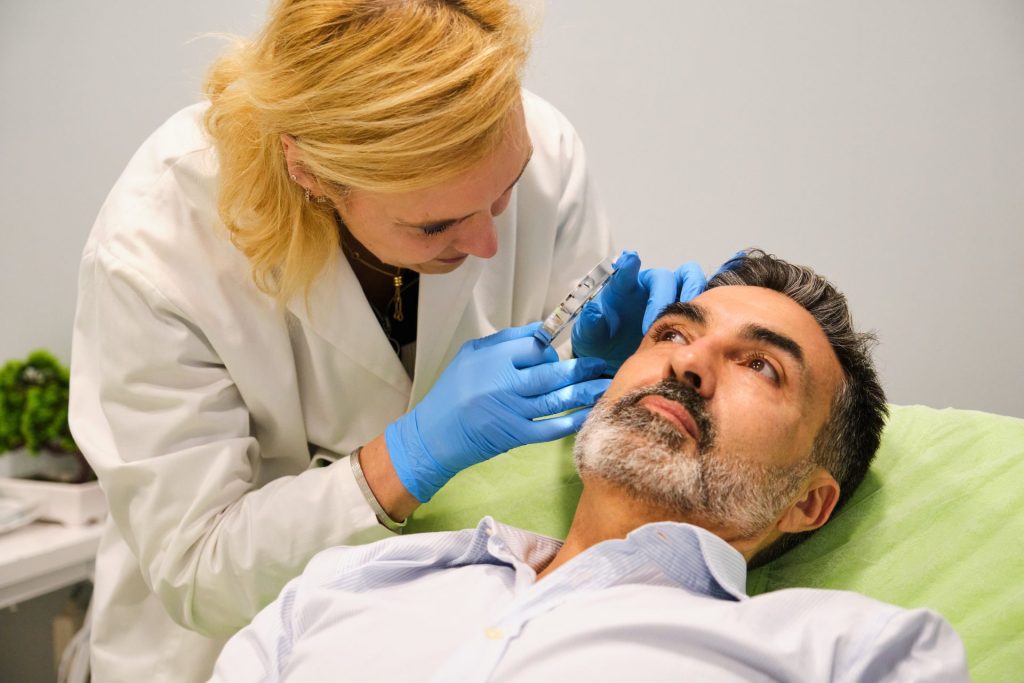
Botox and other neuromodulators are prescription medications, so a good faith exam is required before the first treatment and at renewal intervals set by your provider’s protocol. Most protocols set a 12-month renewal window, though a provider can require a shorter interval based on the patient’s health history or treatment response. A new patient always needs a fresh good faith exam, even if they’ve had Botox before at a different practice.
Dermal Fillers
Fillers carry the same requirement as neuromodulators. The good faith exam should confirm the patient has no contraindications and understands the specific product being used. Because filler results last longer than neuromodulator results, many practices tie the renewal interval to the product’s expected duration rather than a fixed calendar date.
Laser and Energy-Based Treatments
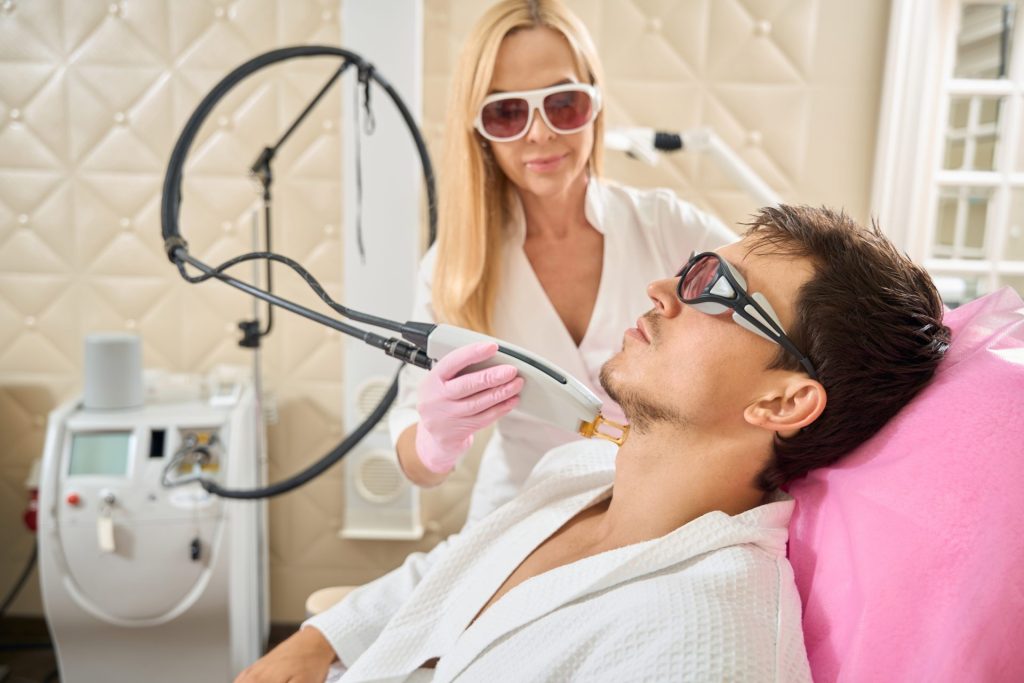
Laser devices fall into different regulatory classes, and higher-powered devices typically require physician oversight or a prescription before use. A good faith exam confirms the patient’s skin type and medical history, and documents any medications that could cause a reaction before treatment. The specific classification and oversight requirements depend on the device and the state, so a practice running multiple device types needs to confirm the rules for each one.
IV Hydration and IV Therapy
IV therapy almost always involves prescription-only substances, so a good faith exam applies here as well, including for standing IV menus offered to walk-in patients. A menu-based model doesn’t remove the requirement, since each formula still contains a prescription ingredient tied to the patient’s specific health profile. The exam should confirm the patient has no contraindications to the specific vitamins, medications, or additives in the chosen IV bag.
GLP-1 Weight Loss Medications
GLP-1 medications need a good faith exam before the first prescription is written. Follow-up exams are typically required for refills and dosage changes, since these medications carry side effects that need active monitoring over time. A one-time good faith exam at intake isn’t enough to cover a treatment that can span months or years of ongoing prescribing.
Why So Many Answers Depend on Your State
Good faith exam rules aren’t uniform across states. Delegation authority, telehealth permissibility, and renewal frequency each vary by jurisdiction. A rule that applies in one state can directly contradict the rule next door.
- Delegation authority: Some states let a nurse practitioner or physician assistant conduct the exam independently, while others require a physician’s direct sign-off on every case.
- Telehealth permissibility: Some states allow a fully virtual good faith exam through live video, while others require an in-person visit for certain treatments.
- Renewal frequency: Some states set a fixed renewal window in law, while others leave the interval to the prescriber’s clinical judgment.
A practice operating in more than one state needs a separate compliance check for each location rather than one shared policy applied everywhere. Industry groups like the American Med Spa Association publish ongoing guidance for practice owners navigating this state-by-state variation. Confirm the specific rule in every state where your practice operates before finalizing a good faith exam policy.
How Medical Director Co. Can Answer Questions Specific to Your Practice
Medical Director Co. assigns a licensed medical director to review your treatment menu, your states of operation, and your current good faith exam protocol side by side. That review identifies which treatments actually require an exam, which states allow NP or PA delegation versus requiring a physician’s direct sign-off, and where your existing documentation falls short of what an audit would need. You receive a written breakdown of each gap and the specific fix for it, instead of a generic compliance checklist.
FAQ
What is a good faith exam in one sentence?
A good faith exam is the pre-treatment evaluation a qualified provider performs to establish a valid patient-provider relationship before any prescription-based treatment begins. It confirms the patient is medically appropriate for the specific procedure and creates the documentation a practice needs to defend that decision later. Skipping this step leaves the treatment authorization invalid, regardless of how routine the procedure seems.
A physician, nurse practitioner, or physician assistant with prescriptive authority can perform a good faith exam. Registered nurses and estheticians cannot conduct the exam or approve a treatment plan on their own, regardless of how experienced they are with the procedure itself. Delegation rules for nurse practitioners and physician assistants vary by state, so confirm the specific scope of practice before assigning this responsibility.
Can a good faith exam be done virtually?
Most states permit a fully virtual good faith exam, provided the visit happens through live, synchronous video with a qualified provider rather than an asynchronous form review. Some states restrict which treatments qualify for a virtual good faith exam, so confirm the specifics before building a fully remote process. A synchronous video visit typically runs five to fifteen minutes, about the same length as an in-person exam.
How long is a good faith exam valid?
Twelve months is the common benchmark most practices use as a best practice, though the actual validity period depends on your state and the specific treatment involved. Ongoing treatments like GLP-1 prescriptions often need more frequent follow-up exams regardless of the general renewal window. A validity period that lapses makes any treatment performed afterward technically unauthorized, even if nothing about the patient’s health has changed.
Does every med spa treatment require one?
Any treatment involving a prescription drug or prescription device requires a good faith exam, which covers most injectables, many lasers, IV therapy, and weight loss medications. Treatments without a prescription component, such as basic skin care services, fall outside this requirement. Treating prescription-based and non-prescription services as interchangeable is the most common reason practices miss a required exam.
Auditing Where Your Practice Stands Right Now
Every prescription-based treatment needs a qualified provider’s sign-off before it happens, and that single rule drives every category, treatment type, and state exception covered here. A practice that skips the exam, delegates it to an unauthorized provider, or lets the documentation lapse carries the same exposure regardless of which specific treatment is involved. So, check your current protocol against these requirements now, before a state audit or a malpractice claim forces the comparison.