California’s implementation of AB 890 created one of the most significant changes to nurse practitioner practice authority in decades. Yet it also created a new source of confusion. Many NPs have heard that California now allows independent NP practice without physician supervision, but the reality is more nuanced. The pathway to independence includes specific eligibility requirements, transition-to-practice obligations, and regulatory distinctions that do not apply equally to every NP.
As a result, many practitioners searching for a medical director nurse practitioners California arrangement are unsure whether they still need a supervising physician, whether standardized procedures remain required, or how California’s Corporate Practice of Medicine (CPOM) doctrine affects their practice. This confusion is especially common among NPs opening aesthetic clinics, specialty practices, or med spas, where business structure requirements may create physician involvement obligations that exist independently of the NP’s personal practice authority status.
The good news is that California’s requirements can be understood clearly when viewed through the correct legal and regulatory framework. This article explains who still needs a supervising physician or medical director in California in 2026, what a compliant physician arrangement must include, and how Medical Director Co. helps connect California NPs with California-licensed physicians structured for those requirements.
Disclaimer: California healthcare law is complex and subject to change. This article is provided for informational purposes only and should not be considered legal advice. Nurse practitioners should consult a California healthcare attorney regarding their specific practice authority status, entity structure, and compliance obligations.
Still need a supervising physician or medical director in California?
Medical Director Co. matches California NPs with vetted, California-licensed physicians in 24 hours — $799/month, no setup fees, attorney-drafted agreements included, no long-term contract.
What AB 890 Changed — And What It Didn’t
Assembly Bill 890 (AB 890) fundamentally changed the practice landscape for California nurse practitioners by creating a pathway to independent practice without ongoing physician supervision. However, one of the most common misunderstandings about AB 890 is that it immediately granted all California NPs full practice authority. It did not.
Under California Business and Professions Code Section 2837.103 and related provisions, an NP seeking independent practice status must first satisfy several eligibility requirements. The NP must have completed an approved nurse practitioner education program, maintain an active California registered nurse license, hold a current California nurse practitioner certification, and complete a formal transition-to-practice (TTP) period.
The TTP requirement consists of at least three years or 4,600 hours of supervised clinical practice as a licensed nurse practitioner after initial NP licensure. During this period, the NP practices under a written supervisory arrangement with a physician and accumulates the experience necessary to qualify for independent practice recognition.
Independent Practice Requires Formal Recognition
Completing the TTP period alone does not automatically convert an NP into an independent practitioner under AB 890. Eligible NPs must also apply to the California Board of Registered Nursing (BRN) for recognition under the applicable independent practice pathway.
As a result, California NPs generally fall into two categories: those who have completed the statutory requirements and obtained independent practice recognition, and those who remain subject to physician oversight requirements because they have not yet completed the transition period, have not applied for recognition, or practice in settings that impose additional physician involvement requirements.
Disclaimer: AB 890 eligibility and independent practice status depend on individual licensing history, practice setting, and regulatory requirements. California nurse practitioners should consult a qualified California healthcare attorney regarding their specific situation.
The Transition-to-Practice Period — What “Supervised” Means
The transition-to-practice period is often misunderstood because the word “supervised” creates the impression that a physician must be physically present during patient care. California law does not require that level of direct oversight.
Instead, during the three-year or 4,600-hour TTP period, the NP must practice under a written Supervisory Agreement with a California-licensed physician. The supervising physician must hold an active, unrestricted California medical license, remain available for consultation, and satisfy any oversight, chart review, or collaborative requirements established by the supervisory agreement and the standardized procedures applicable to the practice setting.
The key requirement is that the relationship be genuine and documented. A physician whose involvement exists only on paper does not satisfy the purpose of the transition-to-practice framework. The physician must be available to provide clinical guidance and oversight consistent with the agreement governing the relationship.
It is also important to understand that TTP hours must be accumulated through practice as a licensed nurse practitioner. Time worked solely as a registered nurse does not count toward the requirement, and hours accumulated in arrangements that do not satisfy California’s supervisory requirements may not qualify toward independent practice eligibility.
After AB 890 — Who Still Needs a Medical Director or Supervising Physician?
Despite AB 890’s implementation, many California nurse practitioners still require a physician arrangement. Understanding who falls into that category is critical for compliance.
NPs Still Completing the TTP Period
Any NP who has not yet completed the required three years or 4,600 hours of supervised NP practice remains subject to physician oversight requirements. Until the transition period is completed, a qualifying physician relationship remains mandatory.
NPs Working Under Standardized Procedures
Many California hospitals, clinics, and organized healthcare systems continue to operate under standardized procedure frameworks. These settings typically require physician-approved protocols and ongoing physician involvement regardless of the NP’s personal practice authority status.
NPs Opening Med Spas or Specialty Practices
California’s Corporate Practice of Medicine doctrine creates separate business-structure requirements that apply independently of AB 890. An NP may qualify for independent practice yet still require physician involvement to satisfy CPOM-related ownership, oversight, or entity-structure obligations.
NPs Who Have Not Applied for Recognition
Even if an NP has completed the transition-to-practice requirements, physician oversight obligations may continue until the practitioner formally obtains the appropriate recognition through the BRN process.
Disclaimer: Determining whether a physician arrangement remains necessary requires analysis of both the NP’s licensing status and the practice’s legal structure. California nurse practitioners should consult a California healthcare attorney regarding their specific circumstances.
California’s Physician Oversight Requirements — What the Arrangement Must Include
For California nurse practitioners who remain subject to physician oversight requirements, compliance involves more than simply identifying a supervising physician. The relationship must be documented through written agreements, supported by appropriate clinical protocols, and structured to satisfy California Board of Registered Nursing (BRN) requirements.
The exact requirements vary depending on the NP’s practice authority status, transition-to-practice eligibility, and practice setting. However, California regulators consistently focus on one principle: the physician relationship must be real, documented, and operational. A physician whose involvement exists only on paper does not satisfy California’s oversight expectations.
Two documents form the foundation of most California NP-physician oversight arrangements: the Supervisory Agreement and, where applicable, Standardized Procedures. Together, these documents establish the physician’s role, define the NP’s authorized activities, and create the framework for ongoing consultation and clinical review.
Because California healthcare law is highly fact-specific, every supervisory arrangement should be reviewed by a qualified California healthcare attorney before implementation.
The Supervisory Agreement — California’s Required Document
During the transition-to-practice period, the Supervisory Agreement serves as the primary document governing the relationship between the nurse practitioner and the supervising physician. California requires this agreement to be in writing and sufficiently detailed to demonstrate a genuine oversight structure.
A compliant Supervisory Agreement should identify both parties by name and California license number, define the NP’s scope of practice under the arrangement, describe the physician’s oversight responsibilities, establish chart review expectations, and specify how the physician will remain available for consultation. The agreement should also include a process for resolving clinical disagreements, along with duration, renewal, and termination provisions. Many healthcare systems and practice settings impose additional requirements that should be incorporated into the document.
Unlike Texas’s Prescriptive Authority Agreement, California does not generally require the Supervisory Agreement to be filed with the BRN. However, the agreement must exist, remain current, and be available for production during a regulatory review. A nominal agreement that is outdated, incomplete, or unsupported by actual physician involvement is unlikely to satisfy California’s expectations.
Medical Director Co.’s attorney-drafted California agreements are structured to align with current BRN requirements and common California practice settings.
Standardized Procedures — When a Physician Protocol Is Required
Standardized Procedures are a uniquely important feature of California nurse practitioner practice. They are written clinical directives developed and approved by a supervising physician or physician-approved protocol committee that authorize an NP to perform specific functions within a defined practice setting.
In aesthetic medicine, Standardized Procedures frequently serve as the framework authorizing nurse practitioners to administer Botox, dermal fillers, prescription skincare products, and other physician-delegated treatments. This is particularly important for NPs who remain within the transition-to-practice period or who work in environments that continue to require physician-approved protocols.
Operationally, Standardized Procedures function similarly to standing orders in Texas. They should be specific to the services actually offered by the practice, identify contraindications and referral requirements, establish documentation expectations, and define the physician consultation process. The documents should be reviewed regularly and updated whenever treatment offerings or clinical protocols change.
The physician approving Standardized Procedures must hold an active California medical license and serve as a genuine clinical authority within the arrangement. Medical Director Co.’s attorney-drafted Standardized Procedure documents are structured specifically for California BRN compliance.
Chart Review Frequency and Physician Accessibility in California
California approaches chart review differently than Texas. The BRN does not establish a universal chart review percentage requirement comparable to Texas’s explicit 10% monthly standard. Instead, chart review expectations are generally defined within the Supervisory Agreement and applicable Standardized Procedures.
For most California supervisory arrangements, best practice is to establish a documented monthly review schedule that specifies both the review methodology and the percentage of charts subject to review. The agreement should also identify how findings are documented and communicated to the NP.
Physician accessibility is equally important. During the transition-to-practice period, the supervising physician must remain available for consultation when clinical questions arise. The written agreement should identify acceptable communication methods, expected response times, and backup procedures if the primary physician is unavailable.
California permits remote accessibility through telephone, secure messaging platforms, and video consultation. Physical presence is not required for every patient encounter. Medical Director Co.’s California physician arrangements include attorney-drafted provisions addressing chart review frequency, consultation availability, and physician accessibility requirements.
California CPOM and Aesthetic NP Practice — An Additional Layer
AB 890 changed how certain California nurse practitioners may qualify for independent practice authority, but it did not eliminate California’s Corporate Practice of Medicine (CPOM) doctrine. This distinction is critical for NPs who plan to open aesthetic clinics, specialty practices, or med spas.
California maintains one of the strictest CPOM frameworks in the United States. Under California Business and Professions Code Section 2400, non-physicians generally cannot own, control, or direct a medical practice. The doctrine is designed to preserve independent clinical judgment by preventing business owners from influencing medical decisions based on financial considerations.
For California NPs, this means that achieving independent practice status under AB 890 does not automatically authorize the ownership structure of an aesthetic medical practice. A nurse practitioner may satisfy all BRN requirements for independent practice and still encounter separate CPOM restrictions when forming a med spa business entity that provides prescription-based aesthetic treatments such as Botox, dermal fillers, and other medical procedures.
As a result, many California aesthetic practices utilize management-service structures that separate business operations from the professional medical entity responsible for clinical care. While the underlying concept is similar to the MSO/PC structures commonly used in Texas, California’s corporate, professional entity, and CPOM requirements differ significantly and require California-specific legal analysis.
Disclaimer: California CPOM compliance, medical practice ownership, and healthcare entity formation are highly specialized areas of law. Nurse practitioners and med spa operators should consult a qualified California healthcare attorney before forming any medical practice entity or ownership structure.
What California CPOM Means for NP-Owned Med Spas
For nurse practitioners opening aesthetic practices, California CPOM creates a separate compliance analysis from AB 890 practice authority requirements. Even an NP who has completed the transition-to-practice period and obtained independent practice recognition may still face restrictions on how a med spa is owned and controlled.
California courts and regulators have historically interpreted CPOM aggressively. In many situations, entities providing medical services must operate through a physician-owned professional corporation formed under California’s professional entity laws. This means that the business structure of the med spa may require physician involvement even when the NP’s personal license no longer requires physician supervision for clinical practice purposes.
To address these requirements, many California aesthetic practices use a Management Services Organization (MSO) and Professional Corporation (PC) structure. Under this model, the non-physician-owned MSO manages business operations while the physician-owned professional corporation maintains authority over clinical services and medical decision-making.
However, California CPOM analysis is highly fact-specific and continues to evolve through legislation, regulatory guidance, and court decisions. The rules differ in important ways from Texas and other states. Before forming any med spa entity, entering into an MSO arrangement, or relying on an ownership structure used elsewhere, California NPs should obtain guidance from a California healthcare attorney experienced in CPOM compliance.
Step-by-Step — How a California NP Gets a Compliant Physician Arrangement in Place
Step 1 — Confirm Your Current California NP Practice Authority Status
Begin by confirming your current practice authority status with the California Board of Registered Nursing (BRN). Determine whether you have obtained independent practice recognition under AB 890 or whether you remain within the transition-to-practice (TTP) period. This distinction is critical because it determines whether you require a formal supervisory arrangement, standardized procedures, or additional physician involvement based on your practice setting and business structure.
Step 2 — Consult a California Healthcare Attorney on Entity and CPOM Structure
If you are opening a med spa, specialty clinic, or any healthcare practice entity, engage a California healthcare attorney before forming the business. California’s Corporate Practice of Medicine doctrine and professional corporation requirements create entity-structure obligations that vary depending on ownership, services offered, and physician involvement. Early legal guidance helps avoid costly restructuring later.
Step 3 — Identify a California-Licensed Supervising Physician
Select a physician who holds an active, unrestricted California medical license and verify their credentials through the California Medical Board license verification portal. The physician should maintain malpractice coverage that includes supervisory liability exposure and ideally have experience with aesthetic medicine or your specialty area. Medical Director Co. matches California NPs with vetted California-licensed physicians within 24 hours for $799 per month, with no setup fees, attorney-drafted agreements, and no long-term contract requirements.
Step 4 — Execute the Supervisory Agreement and Standardized Procedures
Work with your supervising physician and California healthcare attorney to develop a written Supervisory Agreement that clearly defines oversight obligations, consultation availability, chart review expectations, scope of practice, and termination provisions. If standardized procedures are required in your practice setting, develop procedure-specific documents covering every prescription treatment offered. These documents should be finalized and signed before patient care begins. Medical Director Co.’s attorney-drafted California documents include both Supervisory Agreements and standardized procedures as part of the monthly arrangement.
Step 5 — Maintain the Compliance File and Annual Review Cycle
Create and maintain a compliance file containing the current Supervisory Agreement, signed standardized procedures, physician license verification, malpractice certificate of insurance, and chart review documentation. Establish an annual review process for all oversight documents and schedule reminders at least 60 days before renewal or review dates. Regular updates help ensure the arrangement remains aligned with California regulatory requirements as your practice evolves.
How Medical Director Co. Serves California NPs
Finding a physician is often the most difficult part of establishing a compliant California NP practice. The challenge is not simply locating a licensed physician. It is finding a California-licensed physician who is willing to participate in a genuine supervisory arrangement, satisfy transition-to-practice requirements when applicable, support standardized procedure frameworks, and remain available for ongoing clinical oversight at a cost that makes sense for a solo or growing practice.
24-hour matching — California-licensed from the first day. MDCo’s physician network includes California-licensed, malpractice-insured physicians who have been pre-screened for NP supervisory arrangements. Many have familiarity with aesthetic medicine, specialty clinics, and independent practice transitions. Because the network is already established, California NPs can be matched within 24 hours rather than spending weeks searching independently.
$799/month flat rate — no surprise billing. The monthly rate includes physician placement, attorney-drafted Supervisory Agreements, standardized procedure documentation, ongoing chart review obligations, and physician consultation availability. There are no per-chart fees, document drafting charges, or renewal surcharges added later.
No setup fees — compliant from day one. The physician relationship and required documentation can be established before patient care begins, allowing NPs to move forward without paying additional onboarding or setup costs.
Attorney-drafted documents — California-specific compliance. Every California arrangement is structured with California BRN requirements in mind, including transition-to-practice supervision provisions, standardized procedure frameworks, chart review obligations, physician accessibility requirements, and appropriate termination protections.
No long-term contract — flexibility for a changing regulatory landscape. California NP practice authority continues to evolve after AB 890. Month-to-month terms provide flexibility if practice authority status, supervision requirements, or business needs change over time.
Get matched with a California supervising physician in 24 hours — $799/month, no setup fees. Visit /services/ to get started today.
Frequently Asked Questions About Medical Directors and NP Supervision in California
Do California NPs still need a supervising physician or medical director in 2026?
It depends on the NP’s AB 890 status. California nurse practitioners who have completed the required three-year or 4,600-hour Transition to Practice (TTP) period and obtained independent practice recognition from the California Board of Registered Nursing (BRN) may practice and prescribe independently within the scope authorized by California law. However, NPs still within the TTP period require a written Supervisory Agreement with a California-licensed physician. NPs working in organized health systems may also be required to follow standardized procedures. In addition, NPs opening med spas or aesthetic practices may face separate physician involvement requirements under California’s Corporate Practice of Medicine doctrine. Consult a California healthcare attorney for guidance on your specific situation.
What is the AB 890 Transition to Practice period for California NPs?
The Transition to Practice (TTP) period is the supervised clinical experience requirement established by AB 890. To qualify for independent practice recognition, a California NP must complete at least three years or 4,600 hours of clinical practice as a licensed nurse practitioner under a written Supervisory Agreement with a California-licensed physician. These hours must be earned after initial NP licensure and do not include nursing school clinical rotations or experience gained solely as a registered nurse. California NPs who were already licensed when AB 890 was implemented may be able to count qualifying supervised NP practice hours toward the requirement. The BRN should be consulted regarding documentation and eligibility verification.
What is the difference between a Supervisory Agreement and a Standardized Procedure in California?
A Supervisory Agreement and a Standardized Procedure serve different purposes within a California NP practice. The Supervisory Agreement is the primary written document governing the relationship between the NP and supervising physician during the TTP period. It establishes supervision responsibilities, consultation requirements, chart review expectations, and scope of practice. Standardized Procedures are separate clinical protocols authorizing the NP to perform specific acts within a particular practice setting. In an aesthetic practice, standardized procedures often govern treatments such as Botox, dermal fillers, and other prescription-based services. Both documents must be California-specific, maintained properly, and reviewed regularly. A California healthcare attorney should review all supervisory documentation.
How do I find a supervising physician for my California NP practice?
California NPs typically find supervising physicians through professional associations, peer referrals, medical society networks, healthcare employers, or physician placement services. Regardless of the source, the physician must hold an active, unrestricted California medical license that can be verified through the California Medical Board’s license verification system. For aesthetic practices, familiarity with cosmetic medicine and willingness to participate in practice-specific standardized procedures are important considerations. Medical Director Co. provides a structured alternative by matching California NPs with vetted California-licensed physicians within 24 hours. The arrangement includes attorney-drafted Supervisory Agreements and standardized procedures for $799 per month with no setup fees and no long-term contract.
Can a California NP open a med spa without a physician?
The answer depends on both the NP’s practice authority status and the business structure of the med spa. An NP who has completed the AB 890 requirements and obtained independent practice recognition may independently perform authorized NP services and prescribe within their legal scope. However, California’s Corporate Practice of Medicine doctrine creates separate restrictions on ownership and control of medical practices. In many situations, physician involvement remains necessary at the entity level, particularly for practices providing prescription aesthetic services. California professional corporation requirements may also apply. Because practice authority and business ownership are separate legal issues, California NPs should consult a healthcare attorney before opening any med spa or aesthetic practice.
What does a supervising physician do for a California NP during the TTP period?
A supervising physician performs ongoing oversight responsibilities throughout the Transition to Practice period. The physician enters into a written Supervisory Agreement, helps establish the NP’s scope of practice, remains available for clinical consultation, and participates in chart review activities as outlined in the agreement. In aesthetic and specialty practices, the physician may also approve and sign standardized procedures authorizing specific clinical services. Best practice includes regular chart review, documentation of oversight activities, and periodic review of supervisory documents. A physician who merely signs an agreement at the beginning of the relationship and has no ongoing involvement is providing nominal supervision rather than the substantive oversight California regulators expect.
How much does a supervising physician cost for a California NP practice?
California supervising physician arrangements often cost more than comparable arrangements in many other states. Informal market arrangements commonly range from approximately $800 to more than $3,000 per month depending on specialty, location, physician availability, and oversight obligations. Additional costs may include document drafting fees, setup charges, legal review expenses, and per-chart review billing. Medical Director Co. offers a flat-rate California arrangement at $799 per month. The fee includes physician placement, attorney-drafted Supervisory Agreements, standardized procedures, chart review support, and consultation availability. There are no setup fees, per-chart charges, or long-term contract commitments, creating predictable costs for California NPs.
What happens if a California NP prescribes without a valid supervisory arrangement during the TTP period?
A California NP who prescribes during the Transition to Practice period without a valid Supervisory Agreement may face significant regulatory consequences. The California BRN may investigate and impose disciplinary measures that can include citations, fines, probationary conditions, restrictions on practice authority, suspension, or, in serious cases, license revocation. In addition, malpractice coverage may be challenged if services were provided outside the NP’s authorized scope. Depending on the circumstances, other regulatory agencies may also become involved if prescription medications were administered without appropriate physician authorization. Because these consequences can overlap and compound, establishing a compliant supervisory arrangement promptly is essential. If an investigation has already begun, consult a California healthcare attorney immediately.
Do California NPs need a healthcare attorney to set up a supervisory agreement?
Yes. While not always legally mandated, healthcare attorney involvement is strongly recommended. Supervisory Agreements and standardized procedures are legal and regulatory documents that define the relationship between the NP and supervising physician. California BRN requirements, Corporate Practice of Medicine considerations, and professional entity rules may all affect how these documents should be drafted. Generic templates borrowed from other states frequently fail to address California-specific requirements. Medical Director Co. includes attorney-drafted California Supervisory Agreements and standardized procedure documents as part of its $799 monthly arrangement. This helps ensure that the documentation reflects California practice requirements while reducing the need for separate document-drafting expenses.
How does Medical Director Co. help California NPs with physician supervision requirements?
Medical Director Co. provides a complete physician placement and supervision solution for California NPs. The process begins with matching the NP to a vetted, California-licensed, malpractice-insured physician, often within 24 hours. The arrangement includes an attorney-drafted Supervisory Agreement structured for California BRN requirements, practice-specific standardized procedures signed before patient treatment begins, ongoing chart review support, and physician availability for consultation. When regulations or practice scope requirements change, documents can be updated accordingly. The service includes all five MDCo differentiators: 24-hour physician matching, a $799 monthly flat rate, no setup fees, attorney-drafted California-specific documents, and flexible month-to-month terms with no long-term contract obligation. Get matched in 24 hours at /services/.
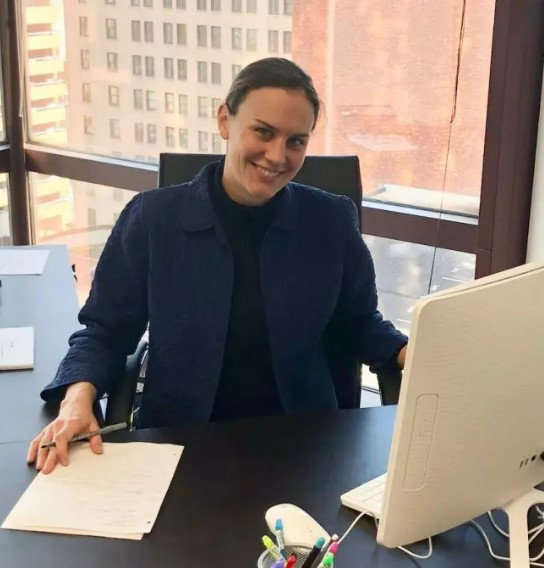
Bolton M. Harris, J.D., is a seasoned attorney with a formidable background in criminal law and a focus on healthcare law and compliance. As the in-house legal counsel at Medical Director Co., Harris brings a unique blend of prosecutorial experience and regulatory expertise to support healthcare professionals across Texas. Her career spans roles as a prosecutor in multiple counties and now as a trusted advisor on the legal intricacies of medical practice operations.
Education & Early Career
Bolton Harris completed her undergraduate studies at Southern Methodist University (SMU) in 2013. During her time at SMU, she was not only a dedicated student but also a competitive athlete on the university’s women’s swimming team. She went on to earn her Juris Doctor from Texas A&M University School of Law in 2016 and became a member of the Texas Bar that same year. Armed with a strong academic foundation and discipline honed as a student-athlete, Harris embarked on a career in criminal law immediately after law school.
Prosecutorial Experience in Texas
Bolton Harris began her legal career in public service as a criminal prosecutor. She served as an Assistant District Attorney in multiple jurisdictions, where she quickly rose through the ranks and handled a broad spectrum of cases. Some highlights of her prosecutorial career include:
- Assistant District Attorney, Dallas County, Texas: Prosecuted a high volume of criminal cases in one of the state’s busiest DA offices, gaining extensive trial experience in both misdemeanor and felony courts.
- Assistant District Attorney, Ellis County, Texas: Continued to hone her courtroom advocacy skills, known for meticulous case preparation and a tenacious pursuit of justice on behalf of the community.
- Assistant District Attorney, Navarro County, Texas: Broadened her legal expertise by handling diverse criminal matters in a smaller county, working closely with law enforcement and community leaders to uphold the law.
Through these roles, Harris built a reputation for being a tough but fair advocate. She brought numerous cases to trial and developed an in-depth understanding of the criminal justice system. This distinguished prosecutorial background laid a strong foundation for the next phase of her career in the private sector.
Healthcare Law & Compliance at Medical Director Co.
After her tenure as a prosecutor, Harris shifted her focus to healthcare law, applying her legal acumen to the medical field. She recognized that the same attention to detail and tenacity that served her in criminal law could benefit healthcare providers navigating complex regulations. Embracing this new direction, Harris became well-versed in the intricate laws governing medical practices – from licensing requirements to patient safety and privacy standards – and is passionate about helping practitioners stay compliant.
In her current role as the in-house attorney for Medical Director Co., Bolton Harris oversees all legal and compliance matters for the organization and its clients. Medical Director Co. is a nurse-owned firm that connects nurse practitioners (NPs), physician assistants (PAs), and registered nurses with qualified medical directors and collaborating physicians, offering fast placements and comprehensive compliance support for healthcare practices. Harris ensures that each of these partnerships and clinical ventures adheres to all applicable state and federal laws. She is responsible for drafting and reviewing collaborative practice agreements, advising on regulatory requirements, and providing ongoing legal counsel as clients establish and grow their clinics. Drawing on her prosecutorial eye for risk management, Harris proactively identifies potential legal issues and addresses them before they escalate, giving healthcare professionals peace of mind.
Bolton M. Harris’s multifaceted expertise – spanning high-stakes courtroom litigation to detailed healthcare compliance – makes her a formidable legal ally. Whether advocating in front of a jury or guiding a medical practice through regulatory hurdles, she remains committed to the highest standards of the legal profession. Her blend of courtroom-tested skill and healthcare law knowledge ensures that clients of Medical Director Co. receive elite-level counsel and steadfast protection in an ever-evolving legal landscape.