Medical Director and Collaborating Physician for Botox Administration in South Dakota (Requirements, Costs & Compliance)
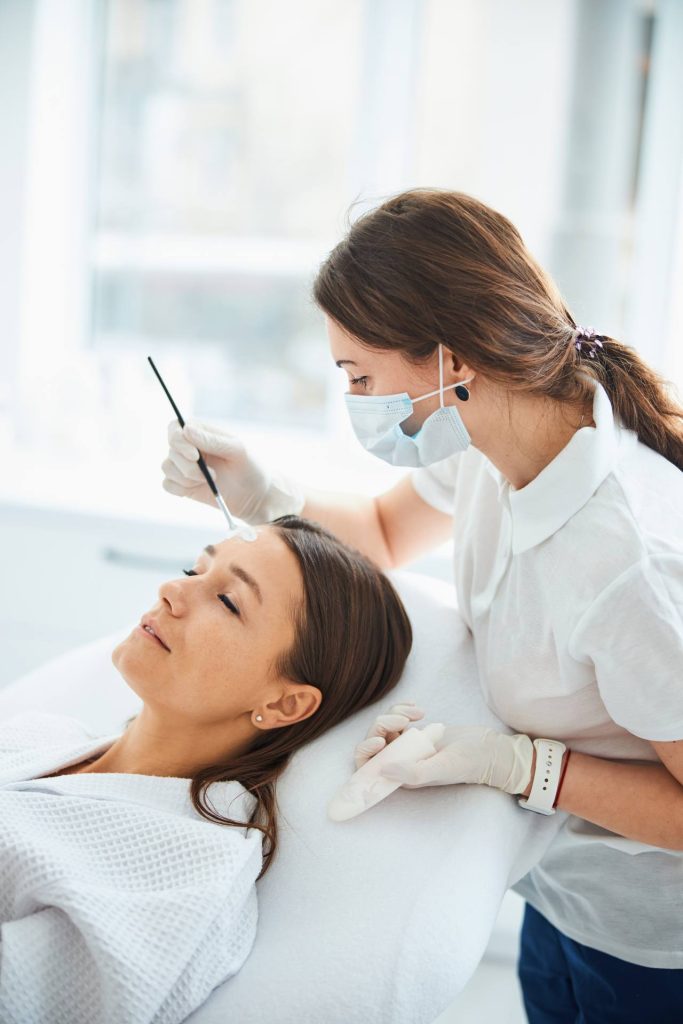
Botox treatments in South Dakota fall under medical oversight rules enforced by the South Dakota Board of Medical and Osteopathic Examiners. That includes not only Botox, but also fillers, IV therapy, PRP, laser treatments, and other aesthetic procedures commonly offered by med spas and wellness clinics. Because Botox is a prescription drug, clinics cannot treat it like a standard cosmetic service.
In many situations, practices need a South Dakota Botox medical director or collaborating physician to support physician supervision, delegation, and compliance requirements. Oversight may include treatment protocols, chart review, delegation agreements, and supervision of nurses or injectors performing aesthetic services. For clinic owners, this is less about checking a box and more about reducing liability while keeping operations aligned with South Dakota regulations.
Medical Director Co. connects clinics with South Dakota-licensed medical directors and collaborating physicians for Botox and aesthetic practices. Plans start at $799 per month and may include supervisory agreements, protocol review, malpractice verification, and ongoing compliance support.
Medical Director Co.
Challenges in Finding a Botox Medical Director or Collaborating Physician in South Dakota
Many Botox clinics and med spas in South Dakota need physician oversight, but finding the right medical director or collaborating physician is not always simple. Several factors contribute to the shortage of available supervising physicians for Botox and aesthetic services across the state:
- High demand due to regulatory oversight: Many Botox practices require physician supervision, which increases competition for experienced medical directors and collaborating physicians.
- Physician liability concerns: Supervising physicians may still carry responsibility for delegated Botox injections and patient care decisions.
- Limited number of physicians with aesthetic experience: Not every physician is comfortable overseeing injectables, fillers, laser procedures, or other cosmetic treatments.
- Remote supervision still requires involvement: Physicians cannot remain completely hands-off. Oversight usually includes protocol review, documentation, communication with staff, and ongoing supervision duties.
- Credentialing and onboarding delays: Agreements, malpractice review, clinic protocols, and compliance documentation can slow the onboarding process.
- Rural and underserved region availability gaps: Smaller communities and rural parts of South Dakota may have fewer physicians available for oversight roles.
- Many physicians prefer clinical work over supervision roles: Oversight responsibilities often involve compliance management, staff coordination, and administrative review in addition to patient care.
Thus, many clinic owners use structured physician networks or compliance-focused matching services such as Medical Director Co. to help find qualified medical directors and collaborating physicians in South Dakota.
Quick Answer
Do You Need a Medical Director or Collaborating Physician for Botox in South Dakota?
Yes. South Dakota clinics offering Botox usually need physician involvement because Botox is classified as a prescription drug, not a standard spa treatment. A medical director or collaborating physician may oversee patient care, approve delegation arrangements, and supervise injectable services performed by qualified staff.
State requirements can also apply to fillers, PRP, IV therapy, and other aesthetic procedures that involve medical decision-making. Clinics must follow supervision and documentation standards set by South Dakota regulations. Without proper oversight, practices may face compliance and liability concerns.
Medical Director Co.
Why South Dakota Requires a Medical Director or Collaborating Physician for Botox
South Dakota regulates Botox and other aesthetic treatments under the South Dakota Medical Practice Act because these services involve medical decision-making, prescription products, and patient evaluation. Non-physicians cannot independently practice medicine or operate outside their licensed scope. Since Botox injections often involve assessing patient history, determining treatment suitability, and managing complications, physician oversight is commonly required.
A medical director or collaborating physician may help supervise delegated services, review protocols, and support compliance with South Dakota regulations.
Many aesthetic practices also work with companies like Medical Director Co. when arranging compliant physician oversight for Botox services.
What Counts as the Practice of Medicine in South Dakota?
Services that may fall under the practice of medicine in South Dakota include:
- Botox injections
- Dermal fillers
- PRP treatments
- IV therapy
- Prescription skincare
- Laser procedures
If a treatment involves prescription drugs, invasive procedures, or medical judgment, physician oversight is generally required under South Dakota regulations.
What Does a Medical Director or Collaborating Physician Do for a South Dakota Botox Clinic?
A medical director or collaborating physician helps oversee the medical side of a Botox clinic in South Dakota. For many South Dakota practices, physician supervision goes beyond signing paperwork. Medical directors and collaborating physicians are expected to stay involved in how treatments are performed, how staff members operate within their scope, and how the clinic handles patient safety and documentation.
Clinical Oversight Responsibilities
Clinical oversight in a South Dakota Botox clinic may include:
- Written treatment protocols for Botox and aesthetic procedures
- Delegation guidelines for RNs, NPs, PAs, and other qualified staff
- Patient evaluation and medical screening standards
- Chart review and documentation systems
- Injector supervision and training oversight
- Complication response procedures
Even when treatments are delegated, the supervising physician may still retain responsibility for medical oversight and clinical standards.
Regulatory Compliance Oversight
Medical directors and collaborating physicians also help clinics stay aligned with South Dakota regulatory requirements. This may involve oversight related to:
- Rules enforced by the South Dakota Board of Medical and Osteopathic Examiners
- South Dakota Medical Practice Act requirements
- Delegation and supervision standards for RNs, NPs, and PAs
- Medical record documentation and consent procedures
- HIPAA and patient privacy compliance
Proper oversight helps clinics maintain organized systems for patient care, supervision, and recordkeeping.
Risk Management & Liability Protection
Botox clinics in South Dakota also rely on physician oversight to reduce operational and legal risks. Medical directors and collaborating physicians may help address malpractice exposure, review adverse events, update treatment protocols, and confirm that clinic procedures align with insurance requirements.
Weak supervision or unclear delegation structures can increase liability for both the clinic and the supervising physician. Consistent oversight helps clinics respond more effectively to patient complications, documentation concerns, and regulatory questions.
South Dakota Medical Director Requirements for Botox
South Dakota requires medical directors and collaborating physicians involved in Botox services to meet state licensing and supervision standards. Clinics offering injectables and other aesthetic treatments must structure oversight carefully to stay aligned with state regulations, delegation rules, and physician supervision expectations.
Licensed South Dakota Physician Requirement
A medical director or collaborating physician overseeing Botox treatments in South Dakota must hold an active South Dakota medical license and remain in good standing with the state board. This requirement also applies to out-of-state physicians. Even if a physician lives or practices elsewhere, they still need proper South Dakota licensure before supervising Botox or other medical aesthetic services within the state.
Delegation Rules in South Dakota
Botox delegation in South Dakota must follow the South Dakota Medical Practice Act and applicable supervision requirements. Delegation standards can vary depending on whether services are performed by an RN, NP, or PA. Clinics must also consider training, scope of practice, and physician involvement before allowing staff members to perform injectable treatments.
Improper Botox delegation is one of the more common compliance concerns in aesthetic practices. Missing protocols, unclear supervision structures, or delegation beyond a provider’s scope can create legal and licensing issues.
Supervision Requirements (On-Site vs Remote)
South Dakota may allow remote physician supervision in certain situations, but oversight still requires active involvement from the supervising physician. Medical directors and collaborating physicians are generally expected to remain available for consultation, support patient care decisions, and maintain documented oversight procedures.
Higher-risk treatments or more advanced aesthetic procedures may require closer supervision depending on the clinic setup and the services being performed. Clinics should also maintain clear documentation showing how physician oversight is handled.
Common Compliance Mistakes in South Dakota Botox Clinics
Many South Dakota Botox clinics run into compliance issues not because they intentionally ignore regulations, but because oversight responsibilities are misunderstood or handled too casually. Some of these common mistakes are:
Using a name-only medical director
Some clinics list a physician on paper without meaningful involvement in patient care, supervision, or compliance oversight.
Improper delegation of Botox treatments
Delegating injectable services without complying with South Dakota supervision and scope-of-practice requirements can raise regulatory concerns.
Operating without written treatment protocols
Missing protocols for Botox administration, emergency response, consent procedures, or patient screening can expose clinics to unnecessary risk.
Limited or inconsistent chart review
Poor chart oversight may lead to incomplete records, missed documentation issues, or gaps in patient follow-up.
Using out-of-state physicians without South Dakota licensure
Physicians supervising Botox clinics in South Dakota generally need an active South Dakota medical license, even if they practice elsewhere.
Poor documentation practices
Incomplete consent forms, missing treatment notes, and weak supervision records can create problems during investigations or insurance reviews.
Improper financial or ownership structures
Some clinics overlook corporate practice of medicine considerations when setting up management agreements or physician relationships.
Can a Botox Medical Director or Collaborating Physician Be Remote in South Dakota?
Yes. A Botox medical director or collaborating physician does not always need to be physically inside the clinic in South Dakota. Remote oversight may be allowed depending on the services offered, the experience of the injectors, and how the supervision structure is managed. Even in a remote arrangement, the physician is still expected to stay engaged with clinic operations rather than simply lending their license to the practice.
That involvement may include reviewing charts, updating treatment protocols, answering clinical questions, and documenting supervision activities. Clinics should also maintain records showing how physician communication and oversight are handled. Higher-risk procedures or patient complications may require closer physician participation.
When South Dakota regulators review a Botox practice, they generally assess whether physician oversight is active, well-organized, and properly documented. Many clinics use companies like Medical Director Co. to help coordinate remote physician oversight arrangements that support ongoing compliance.
How Much Does a Botox Medical Director or Collaborating Physician Cost in South Dakota?
The cost of hiring a Botox medical director or collaborating physician in South Dakota usually depends on the clinic setup, the number of providers being supervised, and the level of oversight required. Many physicians work on a monthly retainer model, while some charge per location for clinics operating in multiple cities or under separate entities.
Additional costs may also apply for injector training review, written treatment protocols, compliance documentation, chart audits, or prescriptive authority support. Clinics offering higher-risk aesthetic procedures or managing larger patient volumes may pay more because physician involvement tends to increase alongside operational complexity.
In South Dakota, pricing often shifts based on:
- Number of injectors working under supervision
- Botox and aesthetic treatment volume
- Type of services offered
- Frequency of chart review and oversight
- Multi-location clinic structures
- Level of compliance support requested
Medical Director Co. plans start at $799 per month and include collaboration and supervision agreements, prescriptive authority documentation, malpractice verification, and compliance review. The company also offers flexible terms without setup fees or long-term contracts.
Who Can Own a Botox Clinic in South Dakota?
Opening a Botox clinic in South Dakota involves more than leasing a space and hiring injectors. Clinic ownership structures must also account for state rules tied to the corporate practice of medicine. While non-physicians may hold ownership interests in a med spa or aesthetic business, they generally cannot independently practice medicine or control medical decision-making tied to patient care.
Because Botox involves prescription products and clinical judgment, physicians usually remain responsible for the medical side of the practice. That may include supervision, delegation, treatment protocols, and oversight of licensed providers performing aesthetic procedures.
Many South Dakota clinics use a management services organization (MSO) structure to separate business operations from medical oversight responsibilities. In this type of setup, the non-clinical company may handle administrative functions such as:
- Marketing
- Staffing support
- Payroll and bookkeeping
- Office operations
- Technology and scheduling systems
The physician or physician-owned entity typically manages medical services, patient care decisions, and clinical oversight.
Clinic owners should also pay attention to fee-splitting concerns when structuring compensation agreements with physicians or collaborating providers. Poorly structured financial arrangements can create compliance issues under healthcare regulations. Before opening or restructuring a Botox clinic in South Dakota, many owners consult healthcare attorneys to review ownership, management, and supervision agreements.
Penalties for Operating Without Proper Oversight
South Dakota Botox clinics that operate without proper physician oversight may face regulatory and legal consequences, especially when injectable services are delegated incorrectly or performed outside state requirements. Potential penalties may include:
Administrative penalties
State regulators may investigate complaints, issue disciplinary actions, impose fines, or review physician and provider licenses.
Civil liability
Clinics and supervising physicians may face lawsuits tied to patient injuries, complications, or allegations of negligent oversight.
Insurance denial
Malpractice carriers may deny coverage if the clinic failed to follow supervision requirements, delegation standards, or policy terms.
Criminal exposure (rare)
In limited situations, knowingly practicing medicine without proper authorization or engaging in fraudulent arrangements may create criminal risk.
How to Hire the Right Botox Medical Director or Collaborating Physician in South Dakota
Before entering into any agreement, clinic owners should carefully review qualifications, supervision expectations, and compliance experience.
South Dakota License Verification
Confirm the physician holds an active South Dakota medical license and remains in good standing with the state board.
Disciplinary History Review
Check for prior board actions, restrictions, complaints, or disciplinary findings that may raise concerns.
Botox Experience Confirmation
Look for experience supervising injectables, cosmetic procedures, and aesthetic treatment protocols rather than unrelated clinical specialties alone.
Written Protocol Requirements
Make sure the physician provides clear treatment protocols, delegation guidance, emergency procedures, and documentation standards.
Malpractice Insurance Verification
Confirm that malpractice coverage is active and appropriate for Botox and aesthetic oversight services.
Oversight Expectations
Avoid physicians who only want passive involvement or “signature-only” arrangements without ongoing supervision responsibilities.
Communication Structure
Discuss how chart review, provider questions, protocol updates, and patient concerns will be handled throughout the relationship.
Many South Dakota clinics use vetted physician matching services such as Medical Director Co. to help streamline the hiring and compliance review process.
Case Study / Success Story

“I’m a nurse practitioner in Rapid City, and before I could inject Botox or offer any injectables at my clinic, I needed a collaborating physician who understood what licensed medical professionals in South Dakota are actually required to have in place. Medical Director Co. matched me with someone within hours. They reviewed our treatment protocols, set up our collaborative agreement, and made sure our operations were aligned with South Dakota regulations from the start. No compliance risks, no scrambling, just a compliant practice.”

“We were adding Botox, laser treatments, and weight loss services to our existing aesthetic practice, and we knew that non-physicians performing these procedures needed proper oversight, especially under South Dakota’s supervision and delegation laws. Medical Director Co. connected us with an experienced medical director who understood med spa regulations, reviewed our treatment plans, handled our business structure requirements, and made sure we weren’t cutting corners on licensure requirements or chart review. What stood out was how quickly it all came together without sacrificing compliance.”
South Dakota Service Areas
Medical Director Co. supports Botox clinics, med spas, wellness practices, and aesthetic providers throughout South Dakota with physician oversight and compliance-focused medical director services, including:
Frequently Asked Questions
Do Botox clinics in South Dakota need a medical director?
Yes. Botox is a prescription drug under South Dakota law, which means its administration must occur under the supervision of a licensed physician, either as a medical director or collaborating physician. The South Dakota Board of Medical and Osteopathic Examiners expects aesthetic clinics and med spas to have a qualified physician oversight structure in place before services begin.
Is remote supervision allowed in South Dakota?
South Dakota does permit certain forms of remote or indirect supervision, but the specific requirements depend on the provider type, the procedures being performed, and the terms outlined in the collaborative or supervisory agreement. Clinics relying on remote oversight should ensure their arrangement is clearly documented and reviewed against current SDBMOE guidelines to avoid compliance gaps.
Can an NP be a medical director in South Dakota?
Nurse practitioners in South Dakota operate under collaborative agreements with a licensed physician, which means they cannot independently serve as a medical director for a Botox clinic without physician oversight already in place. The medical director role requires a licensed physician who can take legal and clinical responsibility for the practice’s protocols, delegation structure, and treatment oversight.
How often should charts be reviewed?
There is no single state-mandated frequency for chart review in South Dakota, but most collaborative and supervisory agreements specify regular intervals, depending on the volume and complexity of services offered. Consistent chart review is a compliance requirement under most physician oversight arrangements and serves as documented evidence of active medical supervision.
Can a non-physician own a Botox clinic in South Dakota?
Non-physicians, including nurse practitioners, physician assistants, and business owners without a medical license, can legally own aesthetic practices and med spas in South Dakota, but they must still have a licensed physician providing medical oversight for prescription-based services like Botox. South Dakota’s corporate practice of medicine doctrine and Medical Practice Act govern how medical services are structured and delegated within non-physician-owned facilities.
What happens without proper oversight?
Operating a Botox clinic in South Dakota without a qualified medical director or collaborating physician exposes the practice to serious legal and regulatory consequences, including investigation by the SDBMOE, suspension of services, and potential civil liability. Beyond regulatory penalties, the absence of proper physician oversight creates patient safety risks that can result in professional license actions against the injecting provider.
Does Medical Director Co. provide South Dakota medical directors?
Yes. Medical Director Co. connects aesthetic practices and med spas across South Dakota with licensed physicians who meet the state’s supervision and collaboration requirements. Placements are completed within 12 to 24 hours, with plans starting at $799 per month, no setup fees, and no long-term contracts required.
Conclusion — Structuring Botox Oversight in South Dakota
South Dakota has clear expectations for how Botox and aesthetic medicine services are structured and supervised. Botox is a prescription drug, and the South Dakota Board of Medical and Osteopathic Examiners holds clinics, injectors, and practice owners accountable to that distinction. Physician oversight is required, delegation must be documented, and the collaborative or supervisory agreement your practice operates under needs to reflect current state law.
Medical Director Co. places South Dakota-licensed medical directors and collaborating physicians with aesthetic practices, med spas, and wellness clinics across the state. Whether you’re launching a new clinic or bringing an existing practice into compliance, we match you with a licensed physician who understands South Dakota’s supervision requirements within 12 to 24 hours.
to secure your South Dakota medical director or collaborating physician and build your practice on a fully compliant foundation.
Hire a Medical Director or
Collaborating Physician Today