Medical Director and Collaborating Physician for Botox in New York (Requirements, Costs & Compliance)
New York holds aesthetic medicine to a high standard. Botox is a prescription drug, so its administration must be ordered, delegated, and supervised by a licensed physician. The same applies to dermal fillers, IV therapy, PRP, and laser treatments.
The New York State Education Department, through its Office of the Professions, sets and enforces these requirements. Depending on your clinic structure and who performs treatments, you may need a medical director, a collaborating physician, or both. Operating without correct physician oversight puts your license, your staff, and your patients at risk.
Medical Director Co. connects New York aesthetic practices with licensed physicians for Botox compliance within 12 to 24 hours. Our plans start at $799 per month and include supervisory agreements, protocol review, malpractice verification, and ongoing oversight.
Medical Director Co.
Challenges in Finding a Botox Medical Director or Collaborating Physician for Medical Spas in New York
Many Botox clinics in New York require physician oversight to comply with state requirements, but finding a qualified medical director or collaborating physician is often difficult. Here’s what clinic owners run into:
- High demand, limited supply: Regulatory enforcement in New York is consistent and well-resourced. Because physician oversight is required across a wide range of aesthetic services, demand for qualified medical directors outpaces availability.
- Physician liability concerns: Physicians who supervise or collaborate on Botox services remain legally responsible for delegated injections. Many are unwilling to take on that exposure without the right protections in place.
- Limited aesthetic experience among physicians: Supervising injectables requires familiarity with the procedures being delegated. Not every licensed physician is comfortable or qualified to oversee aesthetic treatments.
- Remote supervision still requires real involvement: New York does not allow a physician to sign an agreement and disappear. Meaningful oversight, including chart reviews, protocol sign-off, and availability, is expected and enforceable.
- Credentialing and onboarding take time: Supervisory agreements, treatment protocols, and malpractice alignment all need to be in place before a practice can operate compliantly. That process can stall a launch.
- Geographic gaps outside major metros: Physician availability thins out considerably beyond New York City, Long Island, and Albany. Clinics in rural or underserved areas face fewer options.
- Most physicians prefer direct patient care: Oversight roles require documentation, compliance management, and ongoing communication; work many clinicians would rather avoid.
Clinics that struggle to source a physician independently often turn to structured matching services. Medical Director Co. maintains a network of New York-licensed physicians who are specifically available for medical director and collaborating physician roles in aesthetic practices.
Quick Answer
Do You Need a Medical Director or Collaborating Physician for Botox in New York?
Yes. Botox is a prescription medication, and in New York, prescribing and delegating its use requires a licensed physician. Nurse practitioners and physician assistants may administer Botox, but only under a written agreement with a supervising or collaborating physician. RNs and other mid-level providers face even stricter delegation requirements.
The New York State Education Department enforces these rules through the Office of the Professions, and non-compliance can result in license suspension or legal action. If your clinic offers Botox, regardless of who performs the injections, physician oversight is a legal requirement, not an option.
Medical Director Co.
Why New York Requires a Medical Director or Collaborating Physician for Botox
New York regulates Botox treatments under medical practice laws because Botox is a prescription medication that requires patient assessment, treatment planning, and clinical judgment. In many situations, physician oversight is necessary to help clinics comply with delegation and supervision requirements tied to aesthetic medicine services.
New York also follows the corporate practice of medicine doctrine. Under this framework, non-physicians generally cannot practice medicine or directly employ physicians to provide medical services. This creates additional compliance obligations for med spas, wellness clinics, and aesthetic businesses that offer Botox injections or similar procedures.
Botox treatments often fall within the practice of medicine because providers must evaluate patient suitability, review medical history, manage complications, and determine proper dosing and injection placement. Even when a registered nurse or other licensed provider performs the injections, physician supervision or collaborating physician involvement may still be required depending on the practice setup and level of delegation.
These rules are intended to support patient safety, proper medical oversight, and legal compliance within New York aesthetic practices. Clinics that fail to follow supervision and ownership requirements may face licensing, operational, or regulatory issues.
Because of these risks, many practices work with compliance-focused physician networks such as Medical Director Co. to establish proper oversight arrangements.
What Counts as the Practice of Medicine in New York?
The following aesthetic and wellness services may qualify as the practice of medicine in New York when they involve prescription products, patient evaluation, or medical decision-making:
- Botox injections
- Dermal fillers
- PRP treatments
- IV therapy
- Prescription skincare treatments
- Laser procedures
If a service involves prescription drugs, invasive treatment, or medical judgment, physician oversight is generally required under New York supervision and the scope of practice rules.
What Does a Medical Director or Collaborating Physician Do for a New York Botox Clinic?
A medical director or collaborating physician helps oversee the medical and regulatory side of a Botox clinic in New York. Their responsibilities often include creating written Botox protocols, establishing delegation frameworks, reviewing injector qualifications, monitoring patient documentation, and helping clinics respond to complications or compliance concerns. They may also assist with training oversight, treatment standards, and operational policies tied to aesthetic procedures.
In New York, this role involves active medical involvement rather than simply allowing a clinic to use a physician’s name or license. Supervising physicians are typically expected to remain engaged in clinical oversight, delegation decisions, and compliance processes related to Botox and other medical aesthetic services.
Clinical Oversight Responsibilities
Clinical oversight responsibilities may include:
- Developing written treatment protocols for Botox, fillers, IV therapy, and related procedures
- Establishing delegation guidelines for registered nurses, nurse practitioners, physician assistants, and other licensed staff
- Defining patient evaluation and eligibility standards before treatment
- Reviewing injector training, experience, and competency documentation
- Maintaining chart review systems and treatment documentation processes
- Assisting with escalation procedures when complications or adverse reactions occur
Even when certain treatments are delegated, the supervising physician may still retain professional responsibility for the medical services provided within the clinic.
Regulatory Compliance Oversight
A medical director or collaborating physician also helps clinics manage compliance obligations under New York law. This may include oversight related to:
- New York State Education Department and Office of the Professions requirements
- New York’s scope of practice laws for licensed healthcare providers
- Delegation and supervision rules involving RNs, NPs, and PAs
- Patient consent forms, treatment records, and documentation standards
- HIPAA privacy and patient information safeguards
- Internal policies tied to medical aesthetic procedures and prescription products
Because New York has strict rules surrounding medical practice ownership and supervision, compliance oversight is often part of day-to-day clinic operations.
Risk Management & Liability Protection
Medical oversight also supports risk management for Botox clinics and med spas. Physicians involved in supervision arrangements may review malpractice coverage, monitor complication response procedures, and recommend protocol updates as regulations or treatment standards change.
If a patient experiences an adverse event, poor documentation or weak supervision structures can increase liability exposure for both the clinic and supervising providers. Insurance carriers may also expect practices to maintain clear oversight policies, delegation procedures, and physician involvement standards.
Strong medical supervision helps clinics maintain safer operations while reducing regulatory and legal risks associated with aesthetic medicine services.
New York Medical Director Requirements for Botox
New York applies strict licensing, delegation, and supervision standards to Botox clinics and medical aesthetic practices. Clinics that offer injectable treatments must follow state medical practice laws, including rules tied to physician oversight, provider delegation, and patient safety procedures.
Licensed New York Physician Requirement
A medical director or collaborating physician overseeing Botox services in New York must hold an active New York medical license. The physician should also remain in good standing with the state and maintain appropriate professional credentials and malpractice coverage.
Physicians licensed in another state cannot supervise Botox treatments in New York unless they also hold a valid New York license. This requirement applies even when oversight is provided remotely or through a multi-state medical group arrangement.
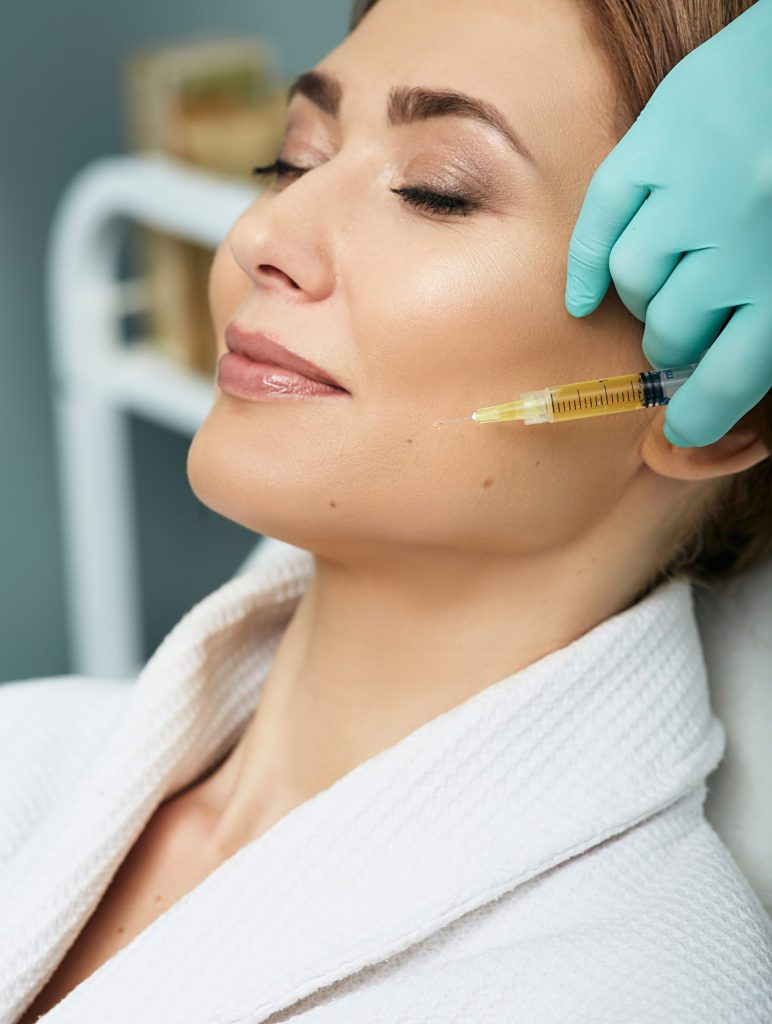
Delegation Rules in New York
Delegation of Botox treatments must follow New York’s scope of practice laws and provider-specific supervision requirements. The rules may differ depending on whether injections are performed by a registered nurse, nurse practitioner, or physician assistant.
New York Botox delegation is a common compliance concern for med spas and aesthetic clinics. Improper delegation structures, unclear physician involvement, or inadequate documentation can create regulatory and liability risks for both the clinic and supervising providers.
Clinics should also maintain written protocols that outline who may perform treatments, how supervision is handled, and what procedures require physician review or approval.
Supervision Requirements (On-Site vs Remote)
New York does not treat remote supervision as a fully hands-off arrangement. Even when physicians are not physically present at the clinic, oversight must still meet state regulatory expectations and remain appropriately documented.
Supervising physicians are generally expected to stay involved in treatment protocols, delegation decisions, chart review systems, and clinical support processes. Communication pathways for patient concerns and complications should also be clearly established.
Certain procedures may require closer physician involvement depending on the level of medical risk, the products used, and the qualifications of the treating provider. Higher-risk aesthetic services often require stronger supervision structures and more direct oversight.
Common Compliance Mistakes in New York Botox Clinics
New York Botox clinics often face compliance issues when supervision structures, delegation practices, or operational policies do not align with state medical practice requirements. The following mistakes are among the most common problems identified in aesthetic practices and med spas:
Using a name-only medical director
Some clinics list a physician on paper without meaningful involvement in protocols, supervision, or patient oversight. New York expects active physician participation rather than passive affiliation arrangements.
Improper delegation of Botox treatments
Delegating injections without following New York scope of practice laws can create serious compliance concerns. Supervision standards may differ for RNs, NPs, and PAs, and clinics must structure delegation carefully.
Operating without written protocols
Missing or incomplete treatment protocols may expose clinics to regulatory and liability risks. Written procedures should address patient screening, informed consent, complication response, delegation limits, and documentation standards.
Inadequate chart review processes
Some practices fail to maintain consistent chart audits or physician review systems. Incomplete patient records and poor oversight documentation may become a problem during audits, complaints, or malpractice claims.
Using out-of-state physicians without a New York license
Physicians supervising Botox services in New York generally need an active New York medical license. Clinics sometimes assume remote supervision from another state is acceptable without verifying licensing requirements.
Poor documentation practices
Missing consent forms, incomplete treatment notes, undocumented adverse events, or inconsistent patient records can increase both regulatory exposure and malpractice risk.
Improper financial or ownership structures
New York’s corporate practice of medicine restrictions can create issues when non-physicians improperly control medical services or physician relationships. Med spas should carefully review ownership, compensation, and management arrangements to reduce compliance risks.
Can a Botox Medical Director or Collaborating Physician Be Remote in New York?
Yes. New York may allow remote physician oversight for Botox clinics, but supervising physicians must remain actively involved in clinic operations and patient safety processes. A medical director or collaborating physician cannot function as a passive supervisor with little or no participation in oversight activities.
Remote oversight often includes chart review, protocol maintenance, injector guidance, documentation review, and availability for clinical questions or complication management. Clinics should also maintain clear supervision records, written protocols, and communication procedures that reflect ongoing physician involvement.
New York regulators typically evaluate how supervision works in practice rather than relying only on signed agreements. Because of this, many clinics work with structured physician matching services such as Medical Director Co. to establish documented oversight arrangements that support compliance expectations.
How Much Does a Botox Medical Director Cost in New York?
The cost of a Botox medical director or collaborating physician in New York depends on the clinic’s size, treatment volume, and supervision requirements. Many arrangements are structured around monthly retainers, while others use location-based pricing or customized oversight agreements.
Common pricing factors may include:
- Number of injectors working under supervision
- Volume of Botox and aesthetic procedures performed
- Number of clinic locations
- Level of chart review and compliance oversight required
- Training oversight and protocol development needs
- Risk level tied to the services offered
Some clinics may also pay additional fees for written protocols, injector onboarding, documentation review, or expanded physician availability.
Medical Director Co. offers plans starting at $799 per month for qualifying New York practices that include:
- Collaboration and supervision agreements
- Prescriptive authority documentation
- Malpractice verification and compliance review
- Flexible terms with no setup fees or long-term commitments
Who Can Own a Botox Clinic in New York?
New York follows strict corporate practice of medicine rules that affect how Botox clinics and med spas can be owned and operated. Because Botox injections are generally considered medical services, ownership structures must comply with state medical practice laws and physician oversight requirements.
In many cases, non-physicians cannot directly own a medical practice or control the delivery of medical services in New York. This restriction may apply to clinics offering Botox, dermal fillers, IV therapy, PRP, laser procedures, and other aesthetic treatments involving medical judgment or prescription products.
To address these restrictions, some businesses use a Management Services Organization (MSO) model. Under this structure:
- A physician-owned medical entity oversees clinical services
- A separate non-clinical business entity handles administrative operations
- Management services may include marketing, staffing, scheduling, and office support
- Medical decision-making remains under physician control
Clinics should also pay close attention to fee-splitting rules and compensation structures. Improper financial arrangements between physicians and non-physician owners may create regulatory and legal concerns under New York law.
Because ownership and management rules can vary depending on the clinic structure, services offered, and provider relationships, many businesses consult healthcare attorneys before launching or restructuring a Botox practice in New York.
Penalties for Operating Without Proper Oversight
New York Botox clinics that operate without appropriate physician supervision or compliant delegation structures may face several types of regulatory and legal consequences. The level of exposure often depends on the nature of the violation, patient impact, and whether state medical practice laws were ignored.
Administrative penalties
State agencies and licensing boards may investigate clinics for supervision failures, improper delegation, or unauthorized medical practice activity. Penalties may include fines, disciplinary action, licensing issues, or operational restrictions.
Civil liability
Clinics and supervising providers may face lawsuits if a patient experiences complications tied to poor oversight, inadequate training, or unsafe treatment practices. Weak documentation and missing protocols may increase liability exposure during legal disputes.
Insurance denial
Malpractice carriers and business insurers may deny coverage for claims connected to non-compliant medical oversight arrangements. Coverage disputes may also arise if clinics operate outside approved supervision structures or delegation rules.
Criminal exposure (rare)
In limited situations, serious violations involving unauthorized medical practice, fraud, or intentional misconduct may result in criminal investigation or prosecution. These cases are less common but can occur when regulatory violations are significant.
How to Hire the Right Botox Medical Director or Collaborating Physician in New York
Hiring a Botox medical director or collaborating physician in New York involves more than finding a licensed doctor willing to sign an agreement. Clinics should evaluate their experience, supervision practices, knowledge of compliance, and physician involvement before entering an oversight arrangement.
Verify that the physician holds an active New York medical license
Review disciplinary history and license standing through state records
Confirm experience with Botox, injectables, or aesthetic medicine oversight
Request written treatment protocols and supervision procedures
Confirm active malpractice insurance coverage
Discuss chart review expectations and physician availability
Review delegation policies for RNs, NPs, and PAs
Avoid “name-only” oversight arrangements with little clinical involvement
Some practices use vetted physician networks such as Medical Director Co. to connect with New York-licensed physicians experienced in Botox supervision, collaborating physician arrangements, and aesthetic compliance oversight.
Case Study / Success Story

“I’d been trying to find a collaborating physician for my med spa in New York City for almost two months. Most physicians I contacted weren’t interested in aesthetic practices or wanted financial arrangements that conflicted with New York’s corporate practice of medicine doctrine. Medical Director Co. matched me with a licensed physician who had real experience with clinical protocols, prescribing authority for injectables, and what quality patient care looks like in a med spa setting. The whole process took less than 24 hours. Supervisory agreements, treatment plans, and malpractice insurance. All confirmed and documented. I wish I’d done this from the start.”

“As a nurse practitioner in New York, I needed a collaborating physician to perform advanced procedures legally and compliantly under New York state law. But finding someone with the right background was harder than I expected. A lot of physicians had no familiarity with aesthetic practices or wellness clinics, and a few didn’t understand what prescribing authority for Botox actually involved for advanced practice providers. Medical Director Co. connected me with a physician who had experience across primary care and functional medicine, understood clinical operations in a med spa environment, and was comfortable with the documentation and risk management side of the role. The physician has been genuinely involved since day one — chart reviews, protocol updates, the works. That kind of proper oversight makes a real difference when you’re building a practice independently.”
New York Service Areas
Medical Director Co. provides licensed physician oversight and compliance support for Botox clinics, med spas, and aesthetic practices across New York City and throughout the state, including:
Frequently Asked Questions
Do Botox clinics in New York need a medical director?
Yes. Botox is a prescription drug under New York law, and its administration must be ordered, delegated, and supervised by a licensed physician. Clinics that operate without a medical director or collaborating physician are in violation of New York State Education Department regulations and face administrative, civil, and potential criminal exposure.
Is remote supervision allowed in New York?
Remote supervision is permitted in New York, but it must reflect genuine, documented physician involvement. The supervising or collaborating physician is expected to conduct regular chart reviews, maintain treatment protocols, and remain accessible during treatment hours. The Office of the Professions evaluates actual involvement, not physical proximity.
Can an NP be a medical director in New York?
No. In New York, a medical director role that involves supervising the practice of medicine must be filled by a licensed physician. Nurse practitioners can serve in clinical leadership capacities, but they cannot fulfill the legal oversight requirements that New York places on a medical director or collaborating physician for Botox and other prescription-based aesthetic services.
How often should charts be reviewed?
New York does not specify a universal chart review frequency, but the review schedule should be defined in the supervisory or collaborating physician agreement and conducted consistently. Most compliant arrangements include weekly or bi-weekly reviews, depending on patient volume and the range of services offered. Infrequent or undocumented chart reviews are a common finding in regulatory investigations.
Can a non-physician own a Botox clinic in New York?
A non-physician can own the business entity that operates a Botox clinic, but clinical decision-making must remain under physician control due to New York’s corporate practice of medicine doctrine. Many non-physician owners structure their practices using a Management Services Organization model, which separates business operations from the physician-owned clinical entity. This structure should be set up with guidance from a healthcare attorney familiar with New York state law.
What happens without proper oversight?
Operating without required physician oversight in New York can result in license suspension, formal investigation by the New York State Education Department, civil liability, and insurance denial for malpractice claims. In cases involving fraudulent representation of physician involvement, criminal exposure is also possible. The consequences apply to both the clinic owner and the treating providers.
Does Medical Director Co. provide New York medical directors?
Yes. Medical Director Co. matches Botox clinics, med spas, and aesthetic practices across New York with licensed, vetted physicians for medical director and collaborating physician roles. Every physician in the network holds an active New York license, carries verified malpractice insurance, and is prepared to provide genuine clinical oversight. Placements are typically completed within 12 to 24 hours, with plans starting at $799 per month.
Structuring Botox Oversight in New York
New York holds aesthetic medicine to a higher standard than most states, and Botox is no exception. It is a prescription drug that requires physician oversight, from the delegation framework down to how treatments are documented and reviewed. Getting that structure right from the start protects your license, your providers, and your patients.
If you are launching a new clinic or bringing an existing practice into compliance, Medical Director Co. can place a New York-licensed medical director or collaborating physician within 12 to 24 hours. Plans start at $799 per month with no setup fees and no long-term commitments.
to get your New York aesthetic practice structured correctly and operating with confidence.
Hire a Medical Director or
Collaborating Physician Today