In Florida, the medical director of a medspa, IV hydration clinic, weight loss practice, or any clinic providing medical procedures must be a licensed physician, either an MD (Doctor of Medicine) or a DO (Doctor of Osteopathic Medicine) with an active, unrestricted Florida medical license. This is the foundation of Florida medical director requirements and applies across many healthcare and wellness business models.
One of the most common misconceptions is that a nurse practitioner (NP) or physician assistant (PA) can serve as the medical director. While NPs and PAs may provide clinical services within their authorized scope, they cannot hold the medical director role under Florida law.
Another point of confusion is whether every Florida medical director must be a plastic surgeon or dermatologist. In reality, specialty requirements depend on the type of clinic and the oversight arrangement, particularly in aesthetic medicine.
This guide explains who can be a medical director in Florida, who cannot, how qualifications vary by clinic type, and how ownership differs from medical direction.
The Core Rule: Who Qualifies as a Florida Medical Director Under State Law
Under Florida Statute Chapter 458 (Medical Practice Act) and Chapter 459 (Osteopathic Medicine Act), the practice of medicine, including the supervision and direction of medical procedures, is reserved for licensed physicians. As a result, only an MD or DO with an active, unrestricted Florida medical license may serve as the medical director of a medspa, IV hydration clinic, weight loss practice, or other facility providing services that fall within the practice of medicine.
To meet Florida medical director requirements, a physician must satisfy four core qualifications:
Hold an active Florida MD or DO license. The physician must maintain a current license issued by the Florida Board of Medicine or Florida Board of Osteopathic Medicine. An inactive, expired, or out-of-state-only license does not qualify.
Maintain an unrestricted license. Physicians with active disciplinary limitations, probationary status, or restrictions affecting their authority may not meet medical director eligibility standards.
Have appropriate training and experience. The physician’s background should align with the services offered. For remote aesthetic oversight, Florida’s specialty expectations generally favor dermatology or plastic surgery. For on-site supervision, specialty requirements are less rigid.
Actively participate in clinic oversight. Florida’s 2025–2026 enforcement environment has increased scrutiny of "ghost" medical directors who rarely engage with clinic operations. A qualified medical director must be available, review charts, oversee protocols, and participate in quality assurance activities.
These medical director Florida qualifications form the foundation for every clinic type discussed throughout this guide.
Can a DO (Doctor of Osteopathic Medicine) Be a Medical Director in Florida?
Yes. A Doctor of Osteopathic Medicine (DO) with an active, unrestricted Florida license can serve as a medical director in Florida under the same legal authority as an MD.
Chapter 459 of the Florida Statutes governs osteopathic medicine and grants DOs the same medical practice authority, prescribing authority, and supervisory authority that MDs hold under Chapter 458. For purposes of Florida medical director requirements, there is no legal distinction between a qualified MD and a qualified DO.
The same eligibility standards apply. A DO must maintain an active, unrestricted Florida osteopathic license and possess training and experience appropriate to the clinic’s services. For remote aesthetic oversight arrangements, a DO dermatologist or DO plastic surgeon satisfies Florida’s specialty expectations in the same way an MD dermatologist or plastic surgeon would.
One important distinction is licensing. DOs must hold a Florida osteopathic license through the Florida Board of Osteopathic Medicine rather than the Florida Board of Medicine. Both licensing boards operate through Florida’s Medical Quality Assurance (MQA) system.
Board certification pathways may include AOA-recognized certifications, AOBNMM certifications, or ABMS specialty certifications, depending on the physician’s training and specialty.
At Medical Director Co., we place qualified DOs as well as MDs for Florida medspas, IV hydration clinics, weight loss clinics, and other outpatient healthcare businesses.
Can an NP Be a Medical Director in Florida?
No. Nurse practitioners cannot serve as the medical director of a Florida medspa or any clinic providing services classified as the practice of medicine.
The legal reason is straightforward. NPs are regulated under Florida Statute Chapter 464, the Nursing Practice Act, while medical director authority derives from Florida Statute Chapters 458 and 459, which govern physicians. Florida reserves medical direction, physician supervision, and ultimate responsibility for medical services to licensed MDs and DOs.
There are also practical considerations. Pharmaceutical suppliers, injectable manufacturers, pharmacies, malpractice insurers, and other healthcare partners typically require a physician to serve as the supervising authority for prescription medications and medical procedures. An NP generally cannot act as the supervising physician on clinic protocols or serve as the physician of record for many supplier relationships.
Florida’s autonomous practice pathway under §464.0123 does not change this answer. While certain experienced nurse practitioners may practice independently in qualifying primary care settings, that authority does not extend to serving as the medical director of a medspa, IV hydration clinic, weight loss clinic, or other specialty practice.
That said, NPs still play a significant role in Florida healthcare businesses. An NP may own the business side of a clinic through an MSO structure, provide patient care, administer procedures under physician-approved protocols, and prescribe within the scope of their authority. What they cannot do is replace the physician medical director required under Florida law.
Can a PA Be a Medical Director in Florida?
No. Physician assistants cannot serve as the medical director of a Florida medspa or any other clinic that requires physician oversight.
Under Florida Statute §458.347, PAs practice under the supervision of a licensed physician. While physician assistants may perform a wide range of clinical duties, they are not independent practitioners and do not hold the supervisory medical authority that Florida law assigns to the medical director role.
Like nurse practitioners, PAs can participate extensively in clinic operations. A PA may evaluate patients, administer treatments, and perform procedures within the scope authorized by a supervising physician. In a medspa setting, PAs commonly administer injectables and other aesthetic treatments under physician-approved standing orders and protocols.
The physician who enters into the supervision relationship remains the clinical authority and bears responsibility for medical oversight. The PA does not assume that role.
It is also worth noting that the NCCPA adopted the title "physician associate" in 2021. However, this terminology change did not alter the legal scope of practice or supervisory requirements that apply to PAs under Florida law.
Can an RN Be a Medical Director in Florida?
No. Registered nurses cannot serve as medical directors in Florida for any clinic providing services that fall within the practice of medicine.
RNs are regulated under Florida Statute Chapter 464 and do not possess independent prescribing authority. The medical director role requires physician-level authority to supervise medical services, establish clinical protocols, prescribe medications when appropriate, and oversee patient care. These responsibilities are reserved for licensed physicians.
That does not mean RNs cannot hold leadership positions within a clinic. In Florida medspas, registered nurses often serve as lead injectors, clinic managers, and senior clinical staff. They may administer Botox, dermal fillers, and other treatments under physician standing orders and approved protocols.
The confusion often arises because RNs are frequently the most visible clinical providers in a medspa. However, a lead injector and a medical director perform fundamentally different functions. One delivers care under physician oversight; the other provides the physician oversight itself.
Can an Esthetician or Non-Clinical Entrepreneur Be a Medical Director in Florida?
No. Estheticians, business owners, investors, and other non-clinical entrepreneurs cannot serve as medical directors in Florida because they do not hold a medical license that authorizes the practice of medicine.
This is one of the clearest examples of the distinction between owning a clinic and directing its medical services. A non-clinician may own the business side of a Florida medspa, but that ownership does not create eligibility to act as the clinic’s medical director. The medical director must be a licensed physician with the qualifications required under Florida law.
In many Florida medspa structures, this separation is accomplished through an MSO (Management Services Organization) arrangement. Under an MSO structure, the entrepreneur owns and operates the business functions, while the physician owns or controls the clinical entity and directs all medical services.
Florida Medical Director Qualifications by Clinic Type
Who Can Be a Medical Director for a Florida Medspa?
A Florida medspa medical director must be an MD or DO with an active, unrestricted Florida license. For remote (off-site) oversight arrangements, Florida’s training standards generally require a board-certified or board-eligible physician in an aesthetics-related specialty, most commonly dermatology or plastic surgery. For on-site supervision, the specialty requirement is less strictly applied, and physicians from other specialties may qualify.
Florida’s Corporate Practice of Medicine framework also requires physician ownership or control of the clinical entity, while nonphysician owners typically operate through MSO structures. A February 2025 Board petition seeks formal specialty disclosure requirements for websites and waiting rooms. Medical Director Co. places Florida-licensed plastic surgeons and dermatologists within 24 hours.
Who Can Be a Medical Director for a Florida IV Hydration Clinic?
A Florida IV hydration clinic must have an MD or DO with an active Florida license serving as the medical director. Specialty requirements are generally less restrictive than in aesthetics. Family medicine and internal medicine physicians commonly qualify when they have relevant oversight experience. For remote arrangements, the physician should have training and experience appropriate to IV therapy services. Florida RNs providing IV therapy must complete the state’s required 30-hour IV certification course. Following regulatory discussions sparked by Jenifer’s Law in Texas, Florida healthcare stakeholders are increasingly evaluating documentation and oversight standards for IV services.
Who Can Be a Medical Director for a Florida Weight Loss Clinic?
A Florida weight loss clinic requires an MD or DO with an active Florida license. If the practice prescribes controlled substances such as phentermine, the physician must also maintain an active DEA registration. While GLP-1 medications such as semaglutide and tirzepatide are not controlled substances, they still require physician-approved protocols and oversight. Florida Administrative Code Rule 64B15-14.004 establishes standards for prescribing obesity medications. Specialty requirements are generally less restrictive than in aesthetics, with family medicine and internal medicine physicians commonly serving as medical directors. Medical Director Co. provides placements for weight loss clinics throughout Florida.
Who Can Be a Medical Director for a Florida Telehealth Practice?
A telehealth medical director must be an MD or DO licensed in every state where patients receive care. If a telehealth practice serves only Florida patients, a Florida medical license is generally sufficient. Multi-state telehealth operations require physician licensure across all applicable jurisdictions. Controlled substance prescribing must comply with DEA telemedicine requirements and the Ryan Haight Act framework. Florida also maintains an Out-of-State Telehealth Provider Registration pathway for certain providers treating Florida residents. Medical Director Co. supports both Florida-only and multi-state telehealth arrangements.
Who Can Be a Medical Director for a Florida Hormone and Peptide Therapy Clinic?
A hormone and peptide therapy clinic requires an MD or DO with an active Florida license. Physicians prescribing testosterone must also maintain DEA registration because testosterone is a Schedule III controlled substance. The medical director should understand testosterone prescribing standards, compounding pharmacy oversight, and evolving FDA scrutiny of certain peptides, including BPC-157 and TB-500. Florida does not impose a specific specialty requirement for these clinics, although physicians with backgrounds in internal medicine, family medicine, and age-management medicine commonly serve in the role. Medical Director Co. places qualified physicians for hormone and peptide therapy practices statewide.
Who Can Be a Medical Director for a Florida Primary Care Clinic?
A primary care clinic may have an MD or DO serving as medical director, and Florida does not impose a specialty requirement for the role. Family medicine, internal medicine, and general practice physicians are common choices. Florida also recognizes autonomous-practice nurse practitioners under §464.0123 who meet experience and registration requirements. These NPs may independently operate qualifying primary care practices without physician supervision. However, they are not serving as "medical directors" in the traditional physician sense. Instead, they function as the clinic’s licensed clinical authority through their autonomous APRN registration.
The Specialty Requirement: When Does the Physician's Specialty Matter in Florida?
A physician’s specialty does not carry the same weight in every Florida clinic setting. The issue becomes most important in aesthetics, particularly when a medspa operates with a remote medical director rather than an on-site supervising physician.
When the physician is physically present and directly supervising procedures, Florida generally places greater emphasis on the physician’s training, competency, and ability to oversee the services being performed. Specialty remains relevant, but the requirement is less rigid.
The analysis changes when the physician provides remote oversight for a satellite aesthetic practice. Florida Board of Medicine standards require supervision that is appropriate to the procedures being offered. For injectables, laser treatments, and other aesthetic services, that expectation typically points toward dermatology or plastic surgery training.
As a result, most Florida medspa operators using a remote medical director choose a board-certified or board-eligible plastic surgeon or dermatologist.
What a Qualified Florida Medical Director Is Actually Required to Do
Holding a medical license is only part of the job. A qualified Florida medical director must actively participate in clinic oversight and compliance.
Establish and sign physician protocols. Florida relies on physician protocols to define the authorized scope of practice for NPs, PAs, and RNs. These protocols should reflect the clinic’s actual services and be updated whenever treatment offerings change.
Conduct chart review and quality assurance. Florida Statute §400.9935 assigns quality assurance responsibilities that medical directors help oversee. Regular chart reviews and documented quality checks are often the first records examined during regulatory investigations.
Remain available for clinical consultation. A medical director should be reachable during clinic operations to answer clinical questions, address complications, and provide guidance when situations fall outside established protocols. Delayed or nonexistent physician involvement is a common compliance concern.
Oversee adverse incident reporting. Florida Administrative Code 64B8-9.001 addresses adverse incident reporting obligations. Medical directors help ensure that complications involving injectables, laser procedures, IV therapy, and other medical services are documented and reported appropriately.
Maintain transparency and disclosure compliance. The physician’s name, credentials, license status, and specialty should be accurately represented in public-facing materials. The February 2025 petition submitted by the Florida Society of Plastic Surgeons and the Florida Academy of Dermatology seeks to formalize specialty disclosure requirements for websites and waiting rooms, reflecting Florida’s increasing emphasis on transparency and accountability.
Florida CPOM and MSO: Who Can Own a Clinic vs. Who Can Direct It
One of the biggest sources of confusion in Florida healthcare compliance is the difference between owning a clinic and directing its medical services. These are related responsibilities, but they are not the same thing.
Florida’s Corporate Practice of Medicine (CPOM) framework generally requires that the entity providing medical services be physician-owned or physician-controlled. At the same time, Florida allows nonphysicians—including NPs, RNs, and entrepreneurs—to participate in clinic ownership through a Management Services Organization (MSO) structure.
NP / RN / Entrepreneur Business LLC ↕ MSO Agreement ↕ Physician-Owned Clinical Entity ↕ Medical Director ↕ Clinical Oversight
A common example is a medspa where an NP owns the business LLC that handles marketing, staffing, equipment, and day-to-day operations. The physician owns or controls the clinical entity that provides medical services. The relationship between the two entities is governed by an MSO agreement.
In many Florida medspa structures, the medical director serves a dual function. The physician provides clinical oversight while also owning or controlling the medical entity responsible for patient care. This distinction matters because a physician who simply agrees to "be the medical director" without the appropriate ownership or control structure may create a compliance gap.
Florida’s CPOM approach is generally less restrictive than states such as California and New York, but the separation between business operations and medical decision-making remains an important compliance consideration. Medical Director Co. provides Florida-specific MSO agreements at no additional cost with every physician placement.
Florida Medical Director Compliance in 2025–2026: What's Changed and Why It Matters
Florida medical director compliance has received significantly more regulatory attention in 2025 and 2026 than it did just a few years ago. For clinic owners, that means physician qualifications and oversight responsibilities are receiving greater scrutiny from regulators, suppliers, and insurers.
One major development is the February 2025 petition submitted to the Florida Board of Medicine by the Florida Society of Plastic Surgeons and the Florida Academy of Dermatology. The proposal seeks to require medspas to disclose the supervising physician’s specialty on clinic websites and in waiting rooms. Many industry observers expect formal rulemaking activity to continue through 2026.
Enforcement activity has also increased. Published reports and disciplinary actions reflect dozens of practice closures, physician sanctions, and license actions tied to inadequate oversight arrangements. A recurring theme is the "ghost medical director"—a physician whose name appears on paperwork but who has little or no involvement in clinic operations.
Florida SB 1808, effective January 1, 2026, adds another compliance consideration by requiring healthcare practices to refund patient overpayments within 30 days. While administrative in nature, requirements like these reinforce the expectation that physicians remain actively engaged in clinic oversight.
For clinic owners, the message is straightforward: compliance practices that may have attracted little attention in 2023 are receiving much closer review in 2026.
How to Find a Qualified Florida Medical Director
1. Medical Director Co. Placement
For most clinic owners, this is the fastest option. We place Florida-licensed physicians within 24 hours, including plastic surgeons and dermatologists for medspa clients when specialty qualifications are required. We also prepare Florida-specific physician protocols and MSO agreements at no additional cost. Placements start at $799 per month with no placement fees and month-to-month flexibility.
Once you understand Florida medical director requirements, the next question is usually: where do you find a physician who actually meets them?
There are four common pathways.
2. Aesthetics and Medspa Industry Conferences
Industry events such as AmSpa and other aesthetics conferences can be valuable networking opportunities. The downside is that meeting a qualified physician is only the first step. Negotiating terms, verifying credentials, and preparing compliance documents often extends the process to four to twelve weeks or longer.
3. Florida Medical Society Referrals
Organizations such as the Florida Medical Association, the Florida Society of Plastic Surgeons, and specialty medical societies can help identify qualified physicians. These referrals can simplify credential verification, but clinic owners still need to negotiate arrangements and coordinate legal and compliance documentation independently.
4. Direct Physician Outreach
Some clinic owners contact Florida physicians through LinkedIn, Doximity, or local professional networks. While this approach can work, it is typically the most time-consuming. Finding a responsive physician, confirming qualifications, negotiating compensation, and preparing compliant documents often takes four to twelve weeks and may not result in a successful placement.
Frequently Asked Questions: Who Can Be a Medical Director in Florida?
Who can legally be a medical director in Florida?
Only a licensed physician, either a Medical Doctor (MD) or a Doctor of Osteopathic Medicine (DO) with an active, unrestricted Florida medical license, can legally serve as a medical director in Florida. This applies to medspas, IV hydration clinics, weight loss practices, and other facilities providing services that fall within the practice of medicine. NPs, PAs, RNs, pharmacists, estheticians, and non-clinicians cannot hold the role because Florida law reserves medical direction authority for licensed physicians.
Can a nurse practitioner be a medical director in Florida?
No. Florida Statute Chapters 458 and 459 reserve medical direction authority for licensed physicians. Nurse practitioners practice under Chapter 464 and do not possess the physician authority required for the medical director role. Florida’s autonomous NP practice registration under §464.0123 allows qualifying NPs to practice independently in certain primary care settings, but it does not authorize them to serve as the medical director of a medspa, IV hydration clinic, weight loss clinic, or other specialty practice.
Can a DO be a medical director in Florida?
Yes. A Doctor of Osteopathic Medicine (DO) with an active, unrestricted Florida osteopathic license may serve as a medical director on the same terms as an MD. Chapter 459 grants DOs the same medical practice and supervisory authority that Chapter 458 grants to MDs. A DO dermatologist or plastic surgeon also satisfies Florida’s specialty expectations for remote aesthetic oversight. Medical Director Co. places qualified DOs as well as MDs for Florida clinics.
Can a PA be a medical director in Florida?
No. Physician assistants practice under physician supervision pursuant to Florida Statute §458.347 and cannot exercise independent medical direction authority. While PAs may perform many clinical duties and administer treatments under physician-approved protocols, they cannot serve as the supervising medical authority for a clinic. The physician who signs the supervision agreement remains responsible for oversight and serves as the clinic’s medical director when one is required.
Does a Florida medspa medical director need to be a plastic surgeon or dermatologist?
For most remote oversight arrangements, yes. Florida’s training standards require the supervising physician to have expertise appropriate to the services being performed. In aesthetic medicine, that generally means dermatology or plastic surgery when the physician is not physically present at the clinic. If the physician is on-site and directly supervising procedures, specialty requirements are less rigid. Medical Director Co. places Florida-licensed plastic surgeons and dermatologists for remote medspa oversight arrangements.
What are the consequences of using an unqualified medical director in Florida?
Using an unqualified medical director can expose a clinic to significant regulatory and operational risks. Potential consequences include Florida Department of Health enforcement actions, Board of Medicine penalties, supplier account denials, insurance complications, civil liability, and clinic closure. Regulatory scrutiny has increased in 2025–2026, particularly in cases involving inadequate physician oversight or "ghost" medical director arrangements where the physician provides little meaningful involvement in clinic operations.
Can an out-of-state physician be a medical director for a Florida clinic?
No. A physician must hold an active, unrestricted Florida medical license to serve as a medical director for a Florida clinic. An out-of-state license alone is not sufficient. Physicians interested in Florida medical director opportunities must first obtain Florida licensure as an MD or DO. For eligible physicians, the Interstate Medical Licensure Compact may help streamline the licensing process. Once licensed, they may qualify for Florida medical director placements.
Can a non-physician own a Florida medspa if they hire a qualified medical director?
Yes. Florida generally allows nonphysicians to participate in medspa ownership through an MSO structure. Under this arrangement, the nonphysician owns the business entity responsible for operations such as marketing, staffing, and facilities, while the physician owns or controls the clinical entity and serves as medical director. This separation helps address Florida’s Corporate Practice of Medicine requirements while allowing entrepreneurs, NPs, and RNs to participate in ownership.
How much does a Florida medical director cost in 2026?
Costs vary based on clinic type, oversight requirements, and physician specialty. For Florida medspas that require a plastic surgeon or dermatologist for remote oversight, market rates commonly range from $900 to $2,500 per month. Medical Director Co. places qualified Florida physicians for $799 per month, including physician protocols, standing orders, and MSO documentation. There are no placement fees, setup fees, or long-term contract requirements.
How quickly can a Florida clinic get a qualified medical director?
Medical Director Co. places Florida-licensed physicians, including plastic surgeons and dermatologists for medspa clients, within 24 hours of application. Following placement, our in-house legal team prepares Florida-specific physician protocols, standing orders, and MSO agreements. Most clinic owners receive completed documentation within two business days, allowing them to move forward with supplier applications, compliance requirements, and clinic launch activities without lengthy delays.
Qualified Florida Medical Director Placed in 24 Hours — $799/Month, All-In
If you’re opening or operating a Florida clinic, you need a medical director who holds an active Florida MD or DO license, has the appropriate specialty qualifications for your clinic type, and is prepared to provide active clinical oversight. Medical Director Co. places qualified physicians within 24 hours and includes Florida-specific physician protocols, standing orders, and MSO documentation for $799 per month.
If you’re a physician with an active Florida medical license, Medical Director Co. can connect you with vetted clinic owners seeking qualified medical directors while handling onboarding and compliance documentation.
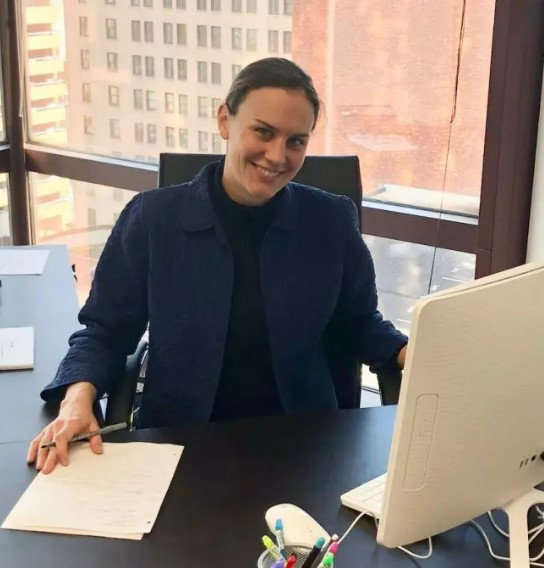
Bolton M. Harris, J.D., is a seasoned attorney with a formidable background in criminal law and a focus on healthcare law and compliance. As the in-house legal counsel at Medical Director Co., Harris brings a unique blend of prosecutorial experience and regulatory expertise to support healthcare professionals across Texas. Her career spans roles as a prosecutor in multiple counties and now as a trusted advisor on the legal intricacies of medical practice operations.
Education & Early Career
Bolton Harris completed her undergraduate studies at Southern Methodist University (SMU) in 2013. During her time at SMU, she was not only a dedicated student but also a competitive athlete on the university’s women’s swimming team. She went on to earn her Juris Doctor from Texas A&M University School of Law in 2016 and became a member of the Texas Bar that same year. Armed with a strong academic foundation and discipline honed as a student-athlete, Harris embarked on a career in criminal law immediately after law school.
Prosecutorial Experience in Texas
Bolton Harris began her legal career in public service as a criminal prosecutor. She served as an Assistant District Attorney in multiple jurisdictions, where she quickly rose through the ranks and handled a broad spectrum of cases. Some highlights of her prosecutorial career include:
- Assistant District Attorney, Dallas County, Texas: Prosecuted a high volume of criminal cases in one of the state’s busiest DA offices, gaining extensive trial experience in both misdemeanor and felony courts.
- Assistant District Attorney, Ellis County, Texas: Continued to hone her courtroom advocacy skills, known for meticulous case preparation and a tenacious pursuit of justice on behalf of the community.
- Assistant District Attorney, Navarro County, Texas: Broadened her legal expertise by handling diverse criminal matters in a smaller county, working closely with law enforcement and community leaders to uphold the law.
Through these roles, Harris built a reputation for being a tough but fair advocate. She brought numerous cases to trial and developed an in-depth understanding of the criminal justice system. This distinguished prosecutorial background laid a strong foundation for the next phase of her career in the private sector.
Healthcare Law & Compliance at Medical Director Co.
After her tenure as a prosecutor, Harris shifted her focus to healthcare law, applying her legal acumen to the medical field. She recognized that the same attention to detail and tenacity that served her in criminal law could benefit healthcare providers navigating complex regulations. Embracing this new direction, Harris became well-versed in the intricate laws governing medical practices – from licensing requirements to patient safety and privacy standards – and is passionate about helping practitioners stay compliant.
In her current role as the in-house attorney for Medical Director Co., Bolton Harris oversees all legal and compliance matters for the organization and its clients. Medical Director Co. is a nurse-owned firm that connects nurse practitioners (NPs), physician assistants (PAs), and registered nurses with qualified medical directors and collaborating physicians, offering fast placements and comprehensive compliance support for healthcare practices. Harris ensures that each of these partnerships and clinical ventures adheres to all applicable state and federal laws. She is responsible for drafting and reviewing collaborative practice agreements, advising on regulatory requirements, and providing ongoing legal counsel as clients establish and grow their clinics. Drawing on her prosecutorial eye for risk management, Harris proactively identifies potential legal issues and addresses them before they escalate, giving healthcare professionals peace of mind.
Bolton M. Harris’s multifaceted expertise – spanning high-stakes courtroom litigation to detailed healthcare compliance – makes her a formidable legal ally. Whether advocating in front of a jury or guiding a medical practice through regulatory hurdles, she remains committed to the highest standards of the legal profession. Her blend of courtroom-tested skill and healthcare law knowledge ensures that clients of Medical Director Co. receive elite-level counsel and steadfast protection in an ever-evolving legal landscape.